
Roof condition reports · Denton, Texas
Commercial Roof Inspection Denton TX
A commercial roof inspection is only worth what it documents.
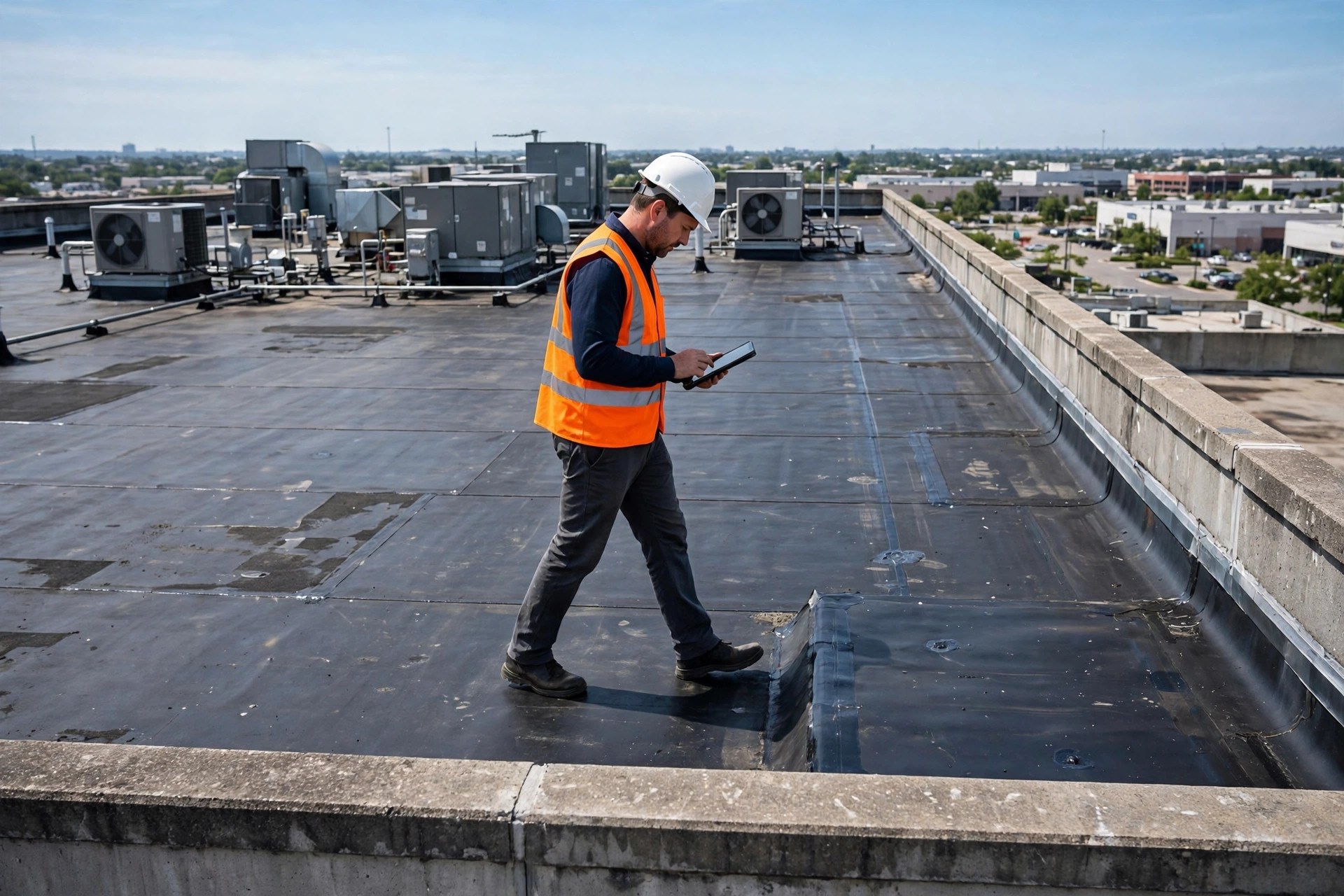
This one walks every foot of the roof, probes the seams, opens the drains, checks every curb and edge, and photographs everything it finds. The result is a written photo report that sorts your roof into three honest piles: what needs repair now, what to plan and budget for, and what is sound and should be left alone. A commercial roof inspection from JBN Roofing of Texas is how a building owner stops guessing about the largest, least-seen surface they own — and it is just as willing to report good news as bad.
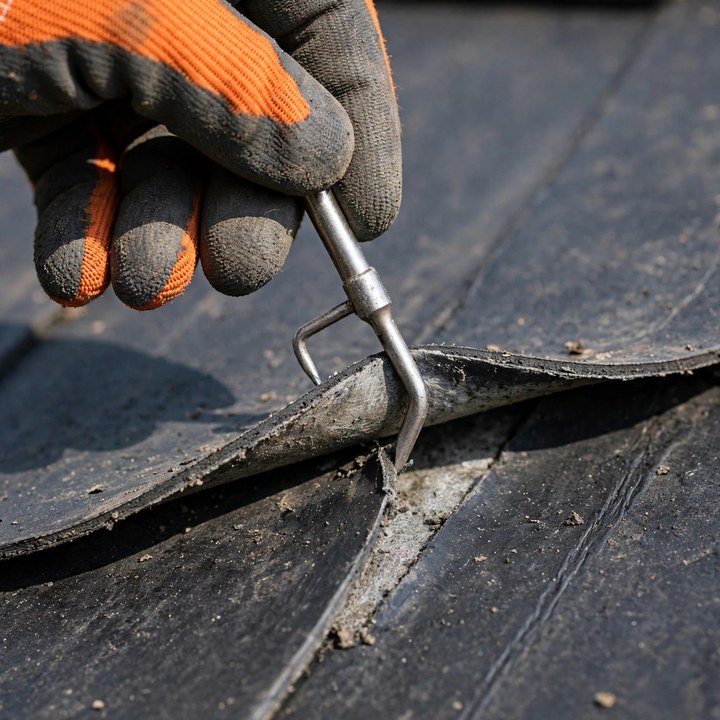
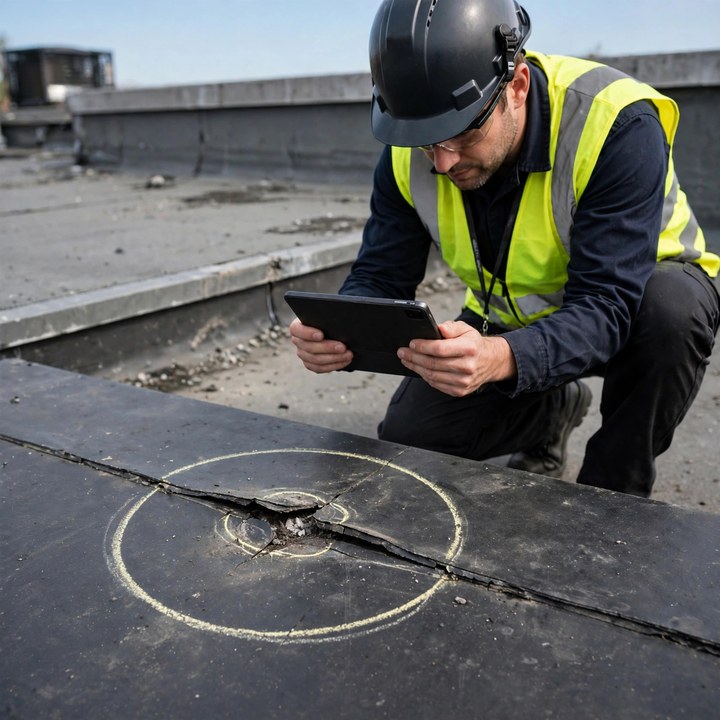
Seams under the probe
What a Commercial Roof Inspection Actually Checks
Most commercial roof failures announce themselves quietly, years before the drip: a seam letting go at one point, a drain slowing down, flashing creeping loose.
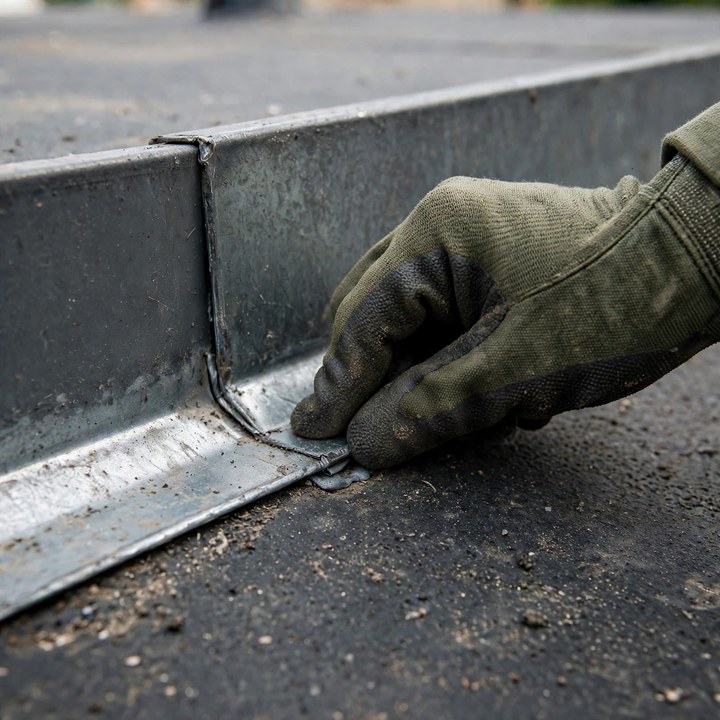
A commercial roof inspection is built to catch exactly those announcements. Seams are drawn with a probe along their length. Drains are opened and their strainers and bowls checked. Curb and pipe flashings are examined at the corners where they fail first, edge metal is checked for lift and open joints, and the field of the roof is read for ponding patterns, surface wear, and punctures. Where what is under the membrane matters, a core sample answers the question directly. Nothing on the list requires tearing anything apart — it requires being up there, looking properly.
Book the inspection at 469-340-0838.
Six stops on the walk
Where the Inspector Spends the Time
A commercial roof inspection is a route, not a glance. These are the six stops, in the order the roof is walked, and each one produces photos for the report.
Reading the report
Six Ways Owners Use an Inspection Report
The report is a working document. Owners and managers put it to these uses, often for years after the walk itself.
Budgeting With Evidence
Repair-now and plan-for lists, each with photos and prices, turn next year's roof budget from a guess into a defended line item.
Buying or Selling a Building
A documented roof condition, good or bad, is material information in a transaction. The report gives both sides the same facts.
Planning a Replacement
Cores and layer counts decide recover versus tear-off long before bids are written, so the replacement scope starts from the truth.
After a Storm
A dated, photographed record of storm damage, taken close to the event, is the document every later conversation about that roof will ask for.
Settling a Leak Argument
When water appears inside, the report's map of seams, drains, and flashings is where the search starts, instead of at the stain.
Peace of Mind, in Writing
Sometimes the report's whole value is one sentence, backed by photos: the roof is sound. Owners sleep fine under that sentence.
The report itself
Findings You Can Hand to Anyone
The deliverable of a commercial roof inspection is a document: photos, locations, plain-language findings, and recommendations sorted by urgency, with prices attached to the work.
It is written for the people who were not on the roof — partners, boards, lenders, buyers — in language that does not need a roofer standing beside it. And it stays honest about uncertainty: where a condition cannot be settled from the surface, the report says what would settle it, usually a core, and what that costs. That plain dealing is why owners keep these reports in the building file for years.
Call 469-340-0838 to get one for your building.
The inspecting company
JBN Roofing of Texas
Every commercial roof inspection is performed by JBN Roofing of Texas, a division of The JBN Group, Inc., the family-owned Denton general contractor founded in 1996. Inspectors work from Suite 8, 125 Old Alton Drive in Denton and walk commercial roofs across North Texas. Because the same company also repairs, replaces, and coats what it inspects, its reports are written by people who know exactly what each finding costs to fix — and who price those fixes in the same document.
Reach the office at 469-340-0838 or sales@jbnroofingoftexas.com: Monday through Thursday 9:00 AM to 5:00 PM, Friday 9:00 AM to 4:00 PM, and Saturday 10:00 AM to 2:00 PM Central, closed Sunday.
Drains decide a lot
A Roof Is Only as Dry as Its Drains
Of everything a commercial roof inspection checks, the drains repay the attention most reliably: they are cheap to keep right and expensive to ignore.
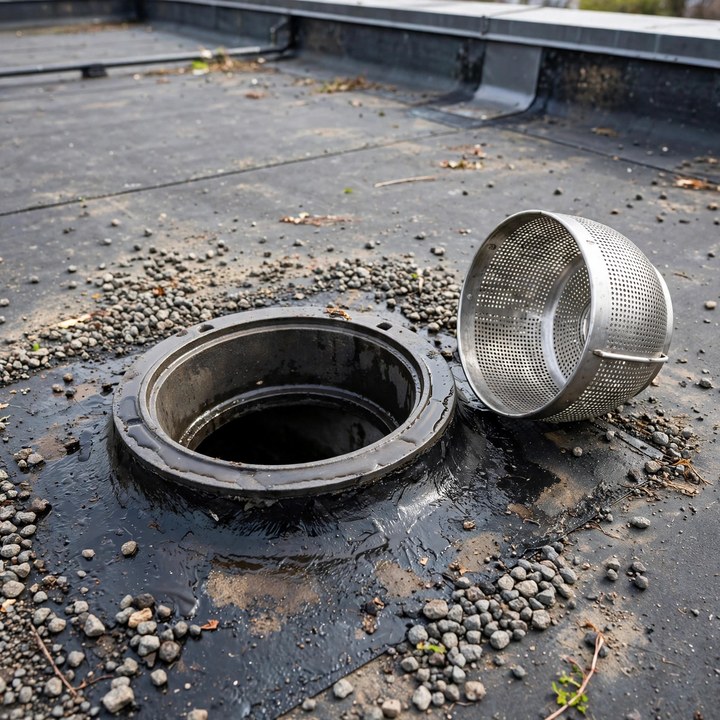
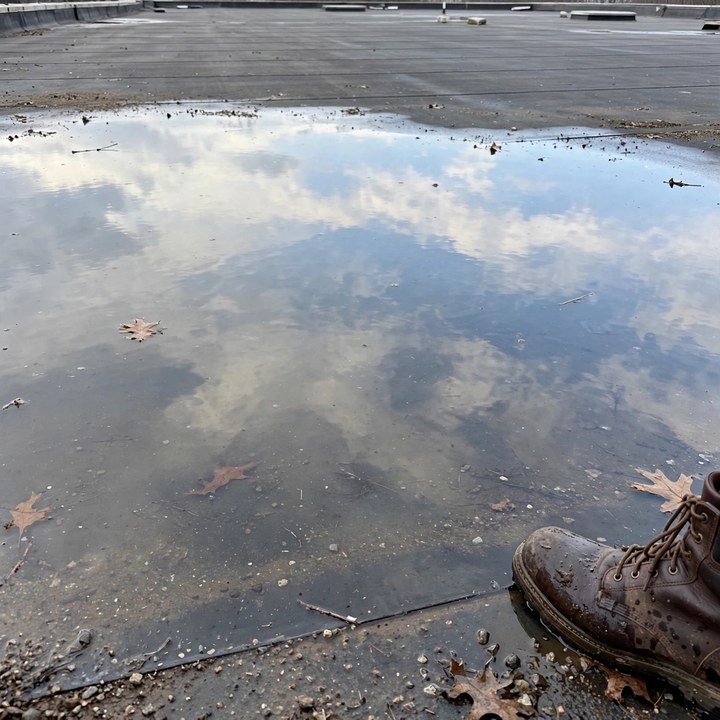
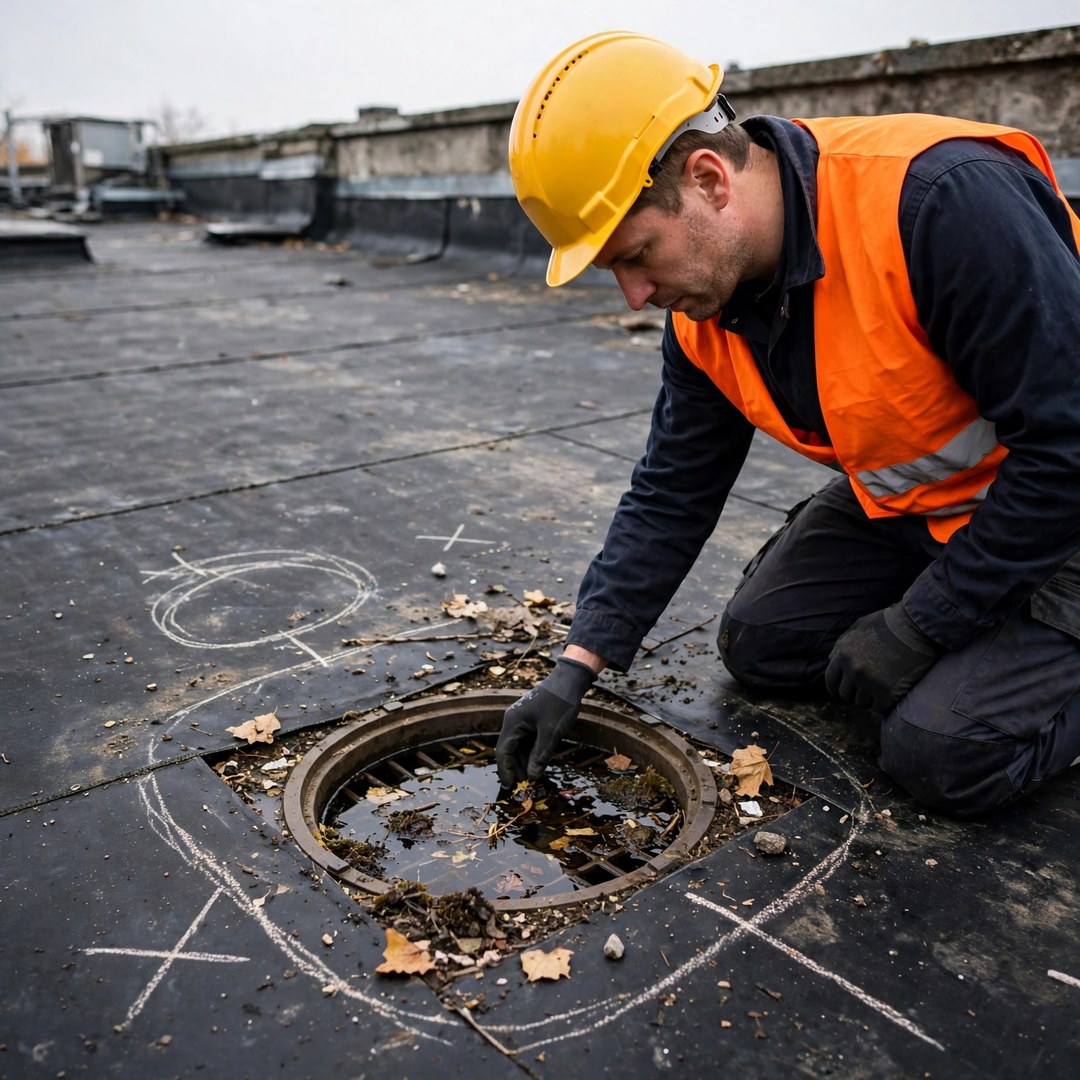
A strainer full of leaves becomes a pond; a pond becomes weight, seam stress, and eventually water finding the one open lap on the roof. The inspection opens every drain, clears what is sitting in it, and reports the drainage pattern of the whole roof, including where water stands two days after rain and why. Drainage findings are the most fixable line in most reports, and fixing them early is the closest thing commercial roofing has to a bargain.
- Every drain opened and its bowl inspected
- Strainers checked, seated, and photographed
- Ponding mapped against the drain locations
- Scuppers and overflow paths checked clear
- Drainage fixes priced in the same report
Schedule and Walk
The roof is walked end to end: field, seams, flashings, edges, and every piece of rooftop equipment.
Probe and Open
Seams are probed, drains are opened, and suspect areas are marked and photographed where they sit.
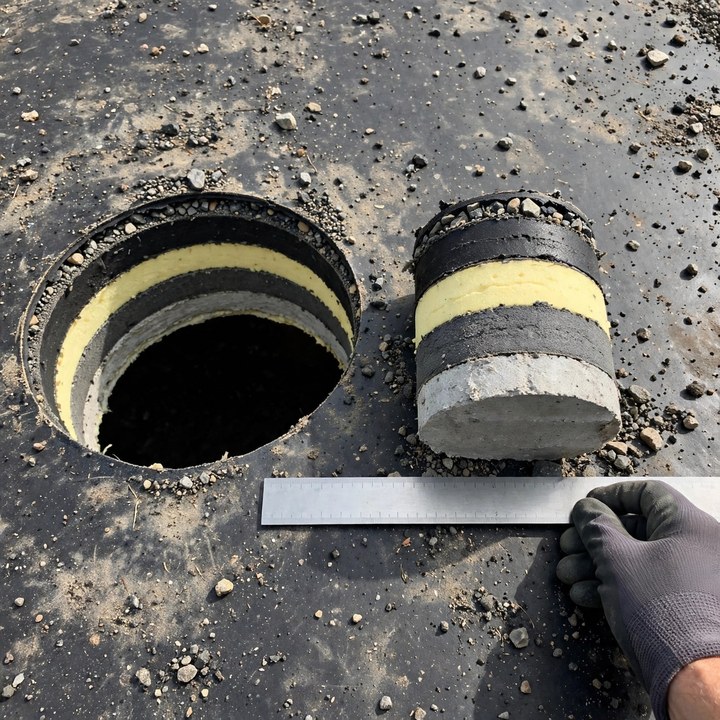
Core Where Needed
Where the buildup or moisture below the surface is in question, a core sample settles it with evidence.
Report and Prices
The photo report arrives sorted by urgency, with the recommended work priced in writing.
Walk it with us
Owners Are Welcome on the Roof
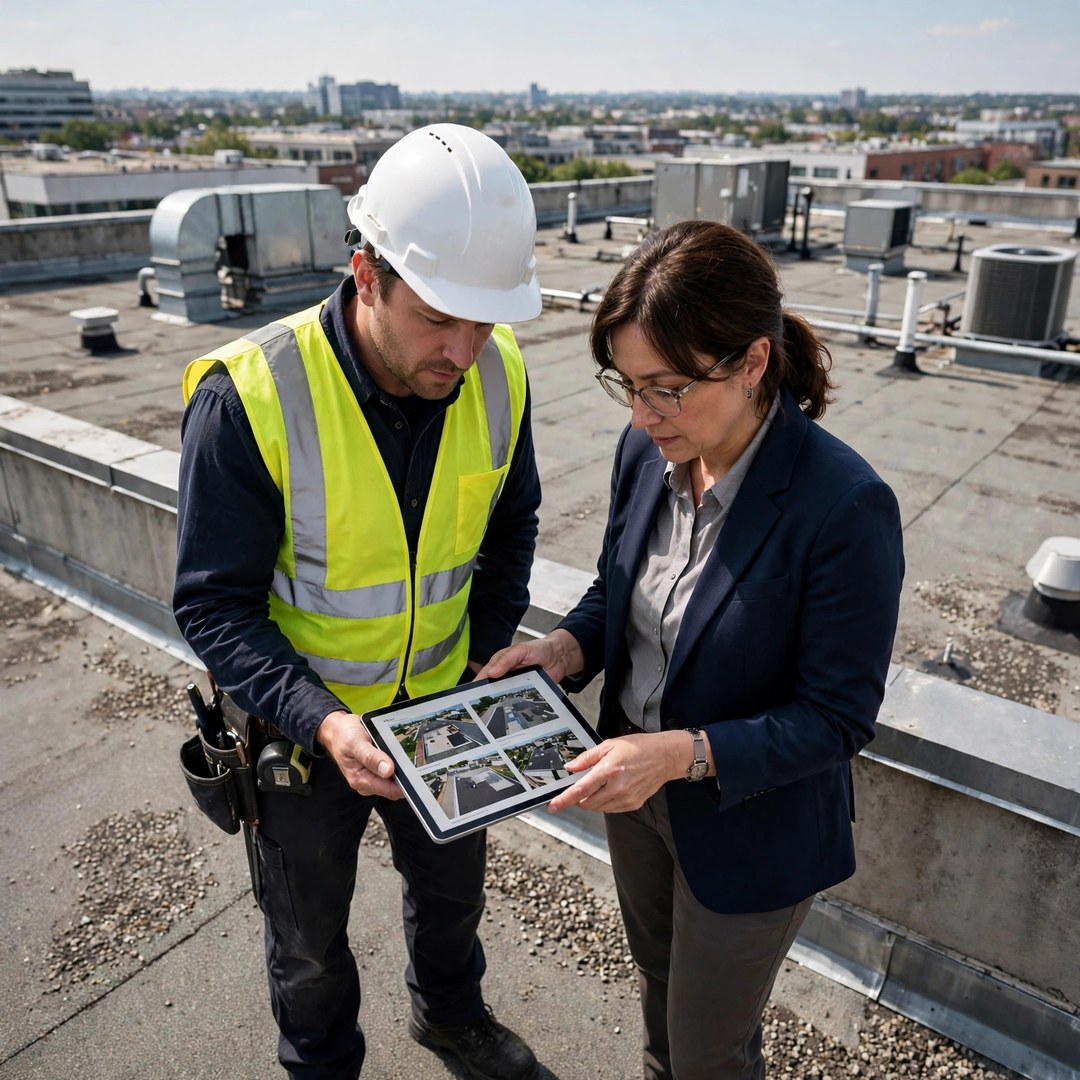
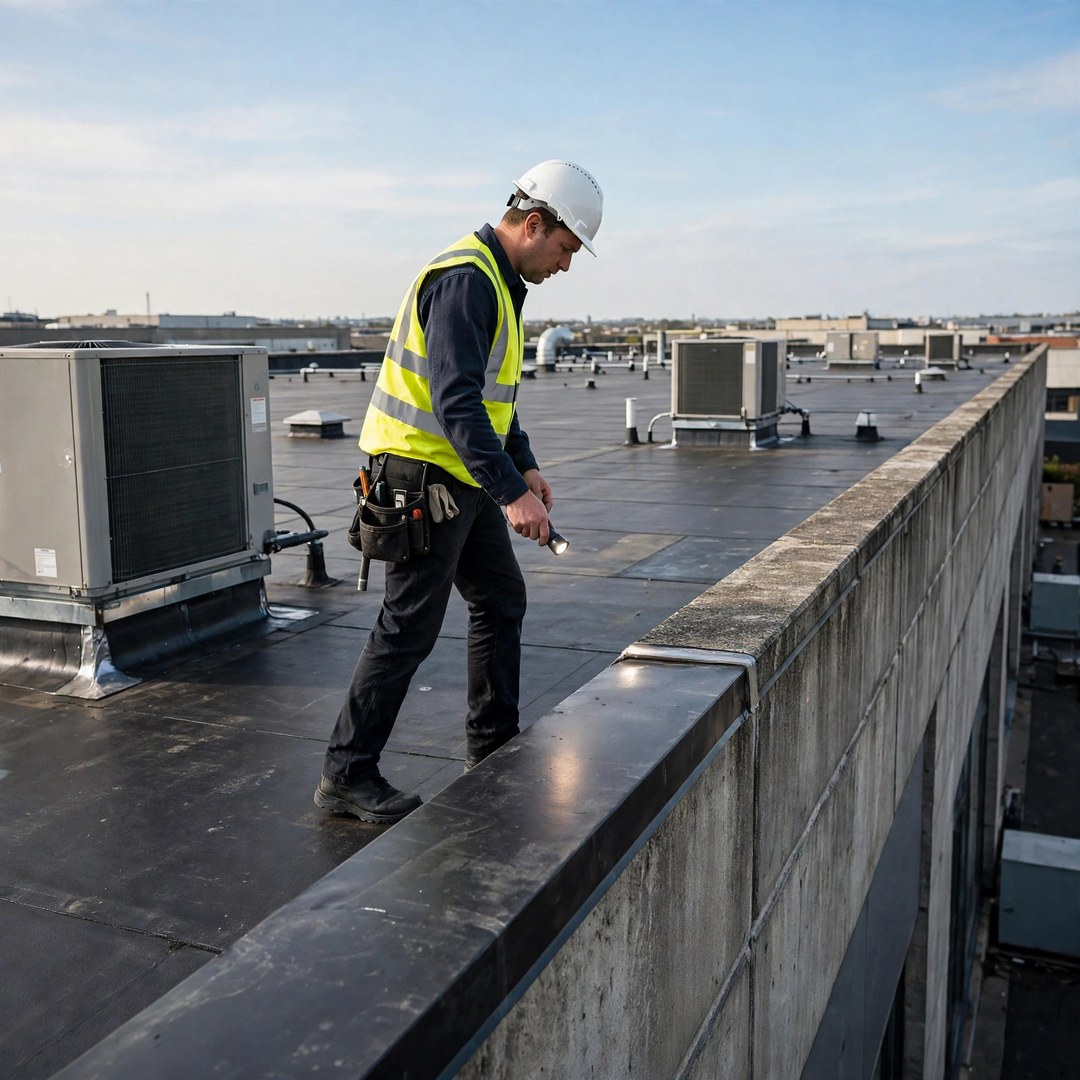
Any owner or manager who wants to is welcome to walk the inspection: see the seams probed, look into the drains, and watch the findings happen.
Most decline and take the photo report, which is what it is for. But the offer stands on every commercial roof inspection, because an inspection with nothing to hide should hide nothing — including how it was done. The walk usually takes under an hour on a typical building, and the questions it answers in person tend to be the ones the report would have raised anyway.
Call 469-340-0838 and set the date.
Service area
Commercial Roof Inspections Across North Texas
Inspection crews work from 125 Old Alton Drive in Denton throughout Corinth, Argyle, Flower Mound, Highland Village, Lewisville, Carrollton, Frisco, Allen, Lantana, Sanger, Bedford, and Bartonville. Warehouses, retail centers, restaurants, offices, and industrial buildings in that circle get the same walked, probed, photographed inspection and the same written report.
For buildings beyond that circle, call 469-340-0838 and ask. If we cannot serve your building well, we will say so plainly.
Commercial Roof Inspections We Perform
- Annual and pre-purchase roof inspections
- Post-storm damage documentation
- Pre-replacement condition surveys with cores
- Leak investigations tied to roof mapping
- Drainage and ponding assessments
- Maintenance planning inspections
Straight answers
Commercial Roof Inspection FAQs
What does the inspection report include?
Photographs of every finding with its location on the roof, a plain-language description of each condition, recommendations sorted into repair now, plan for, and monitor, and written prices for the recommended work. It also records the roof's construction where cores or documents establish it, and states plainly anything the inspection could not determine.
How long does a commercial roof inspection take?
On a typical commercial building, the walk itself usually takes under an hour; large or complex roofs take longer, and core sampling adds time. The written report follows after the walk. When you book, we will tell you what to expect for your building's size, and the office schedules within its regular hours: Monday to Thursday 9 to 5, Friday 9 to 4, Saturday 10 to 2 Central.
Will the inspection try to sell us a new roof?
No. The report sorts findings by urgency and says so when a roof is sound. Where replacement genuinely belongs in the plan-for column, the report shows the findings that put it there, with photos. If any inspector's report can only end one way, it is a proposal wearing a costume; this one is written to be usable even if you never hire us for the work.
Do you take core samples on every inspection?
No, only where the construction under the surface matters to the findings: unknown layer counts, suspected wet insulation, or a planned recover or replacement. A core is a small, deliberate cut that is patched the same visit, and the report explains why each one was taken and what it showed.
Can the inspection document storm damage for our records?
Yes. Post-storm inspections record damage factually — what is damaged, where, and photographed up close — in a dated report your building keeps. What any insurer decides about a claim is the insurer's call; our part is making sure the physical record is complete, accurate, and made while the evidence is fresh.
How often should a commercial roof be inspected?
Once a year is the common professional recommendation, and after any major storm that crosses the building. The reasoning is simple arithmetic: the failures an inspection catches early, open seams, clogged drains, loose flashing, are the cheapest repairs in roofing, and the most expensive ones to discover late.
Free inspection · Written photo report
Know What Your Roof Is Doing
A walked, probed, photographed commercial roof inspection turns the biggest unknown in your building into a document you can budget from. Book the walk, from the Denton company reporting on roofs honestly since 1996.