
JBN Roofing of Texas · A Division of The JBN Group, Inc.
Spray Polyurethane Foam (SPF)
One sprayed layer that is roof, insulation, and waterproofing at once — seamless from curb to edge.
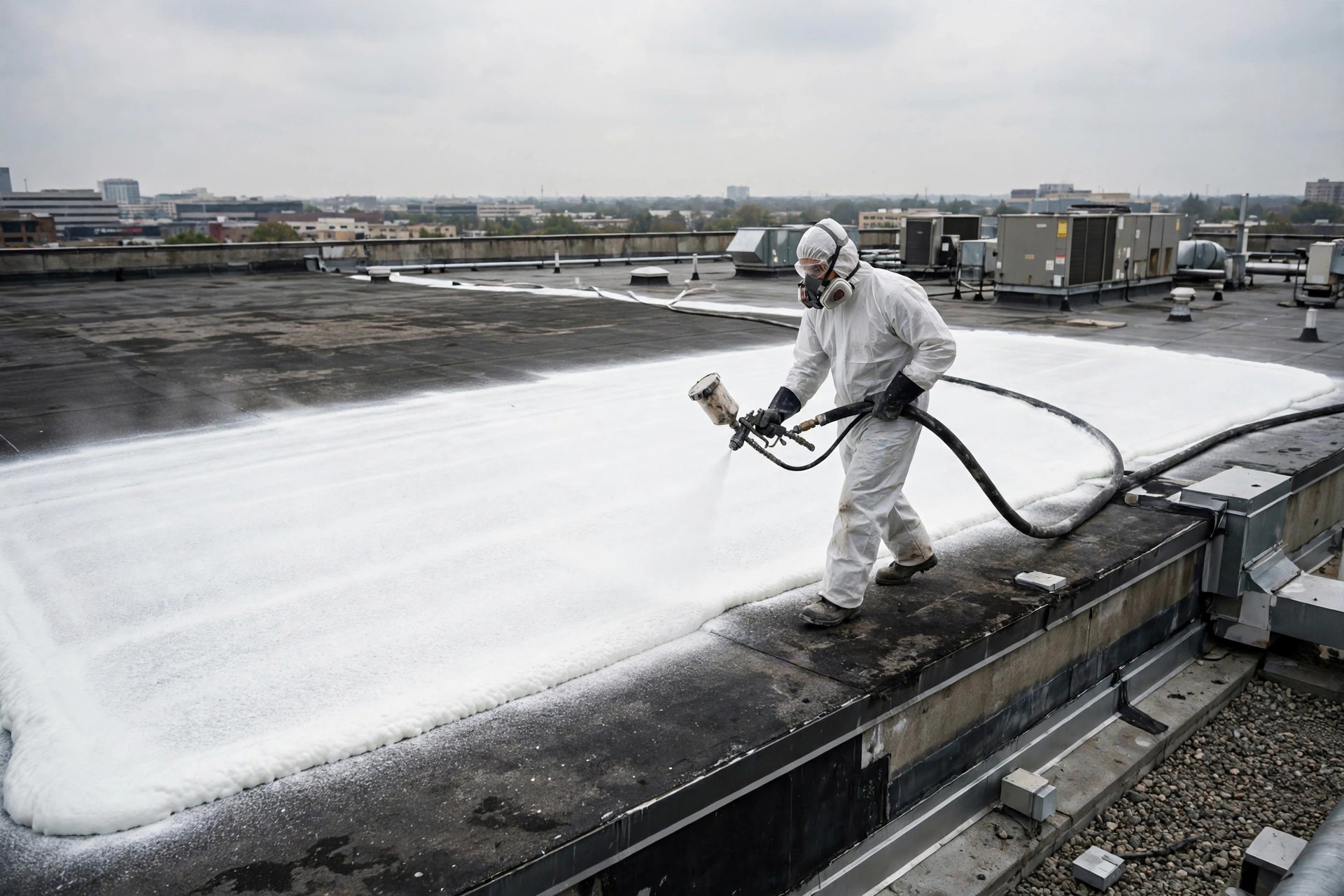
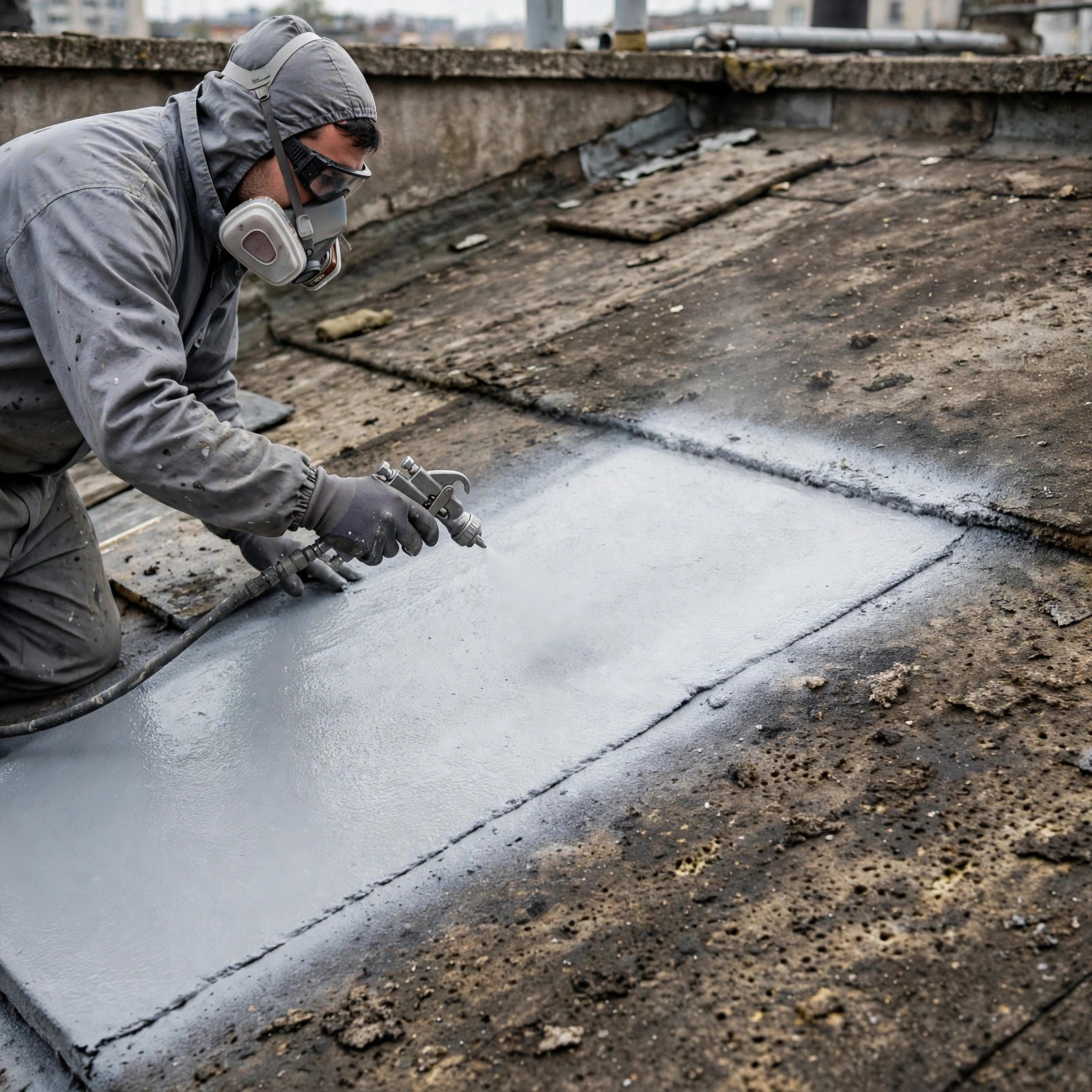
Spray Polyurethane Foam (SPF) delivers a seamless, insulated roof in one sprayed layer. Spray Polyurethane Foam (SPF) is not laid down, rolled out, or seamed together: it is sprayed on as a liquid that expands into a thick, seamless blanket over the entire roof. That blanket is insulation and waterproofing in a single layer, and it closes around every curb, pipe, and skylight instead of being cut and flashed at each one. A protective elastomeric coating then armors the foam against sunlight, weather, and traffic. The result is a roof with no seams to split and no laps to leak, plus insulation value that cuts the building's heating and cooling bill from the day it goes on. JBN Roofing of Texas installs and restores Spray Polyurethane Foam (SPF) roofs across North Texas. To price one for your building, call the Denton team at 469-340-0838.
What sprayed foam is
Spray Polyurethane Foam (SPF) Grows Its Own Roof
Every other roof type is assembled from pieces. SPF is grown in place, and that difference changes everything about how it fails, and how it doesn't.
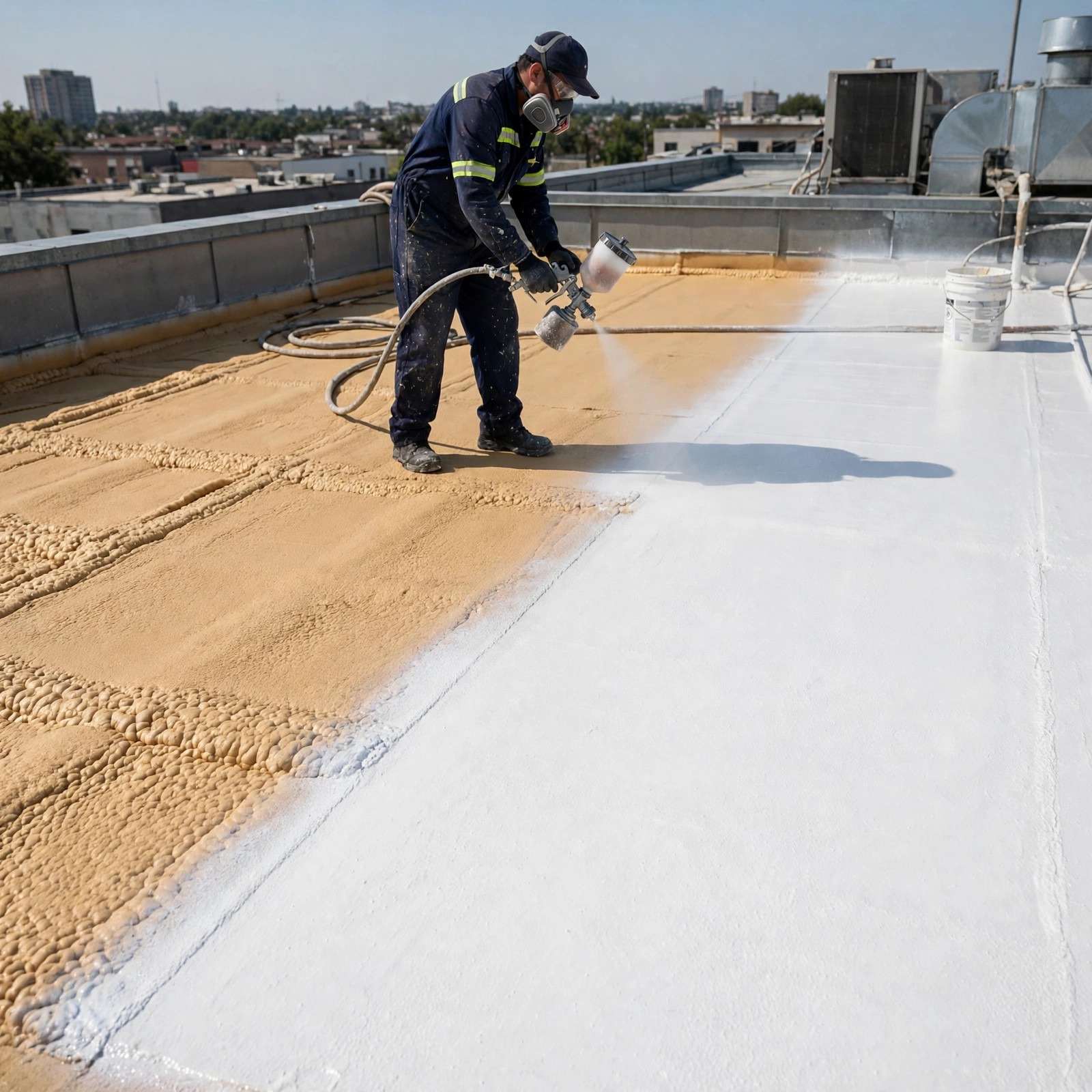
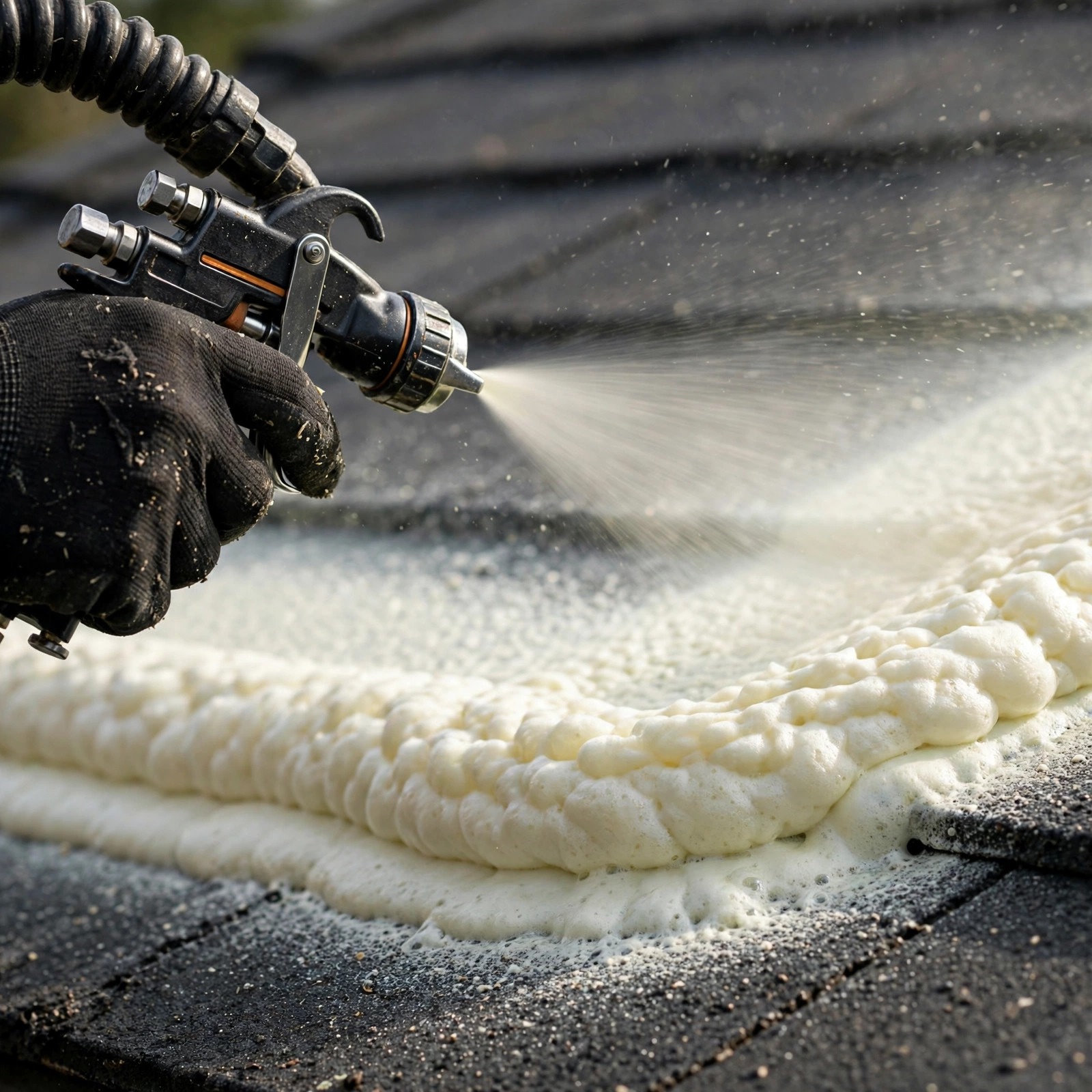
Two liquid components meet at the spray gun and react as they land, expanding dozens of times in seconds into closed-cell foam with a dense, smooth skin. The foam fills low spots, bridges small cracks, and wraps penetrations in one continuous skin, because it is applied as a liquid rather than fitted as a sheet. There is simply no seam on the field to open, no lap for wind to lift, and no fastener puncturing the waterproofing every few feet.
The foam's closed cells also insulate: a Spray Polyurethane Foam (SPF) roof carries real R-value that most membranes and metals add separately, or not at all. On an old roof, the foam even doubles as a recover system, going over a sound existing roof instead of tearing it off.
Want the seamless answer for your building? Call 469-340-0838 and ask for a spray foam consultation.
Roofing services
Services Around the Sprayed Foam
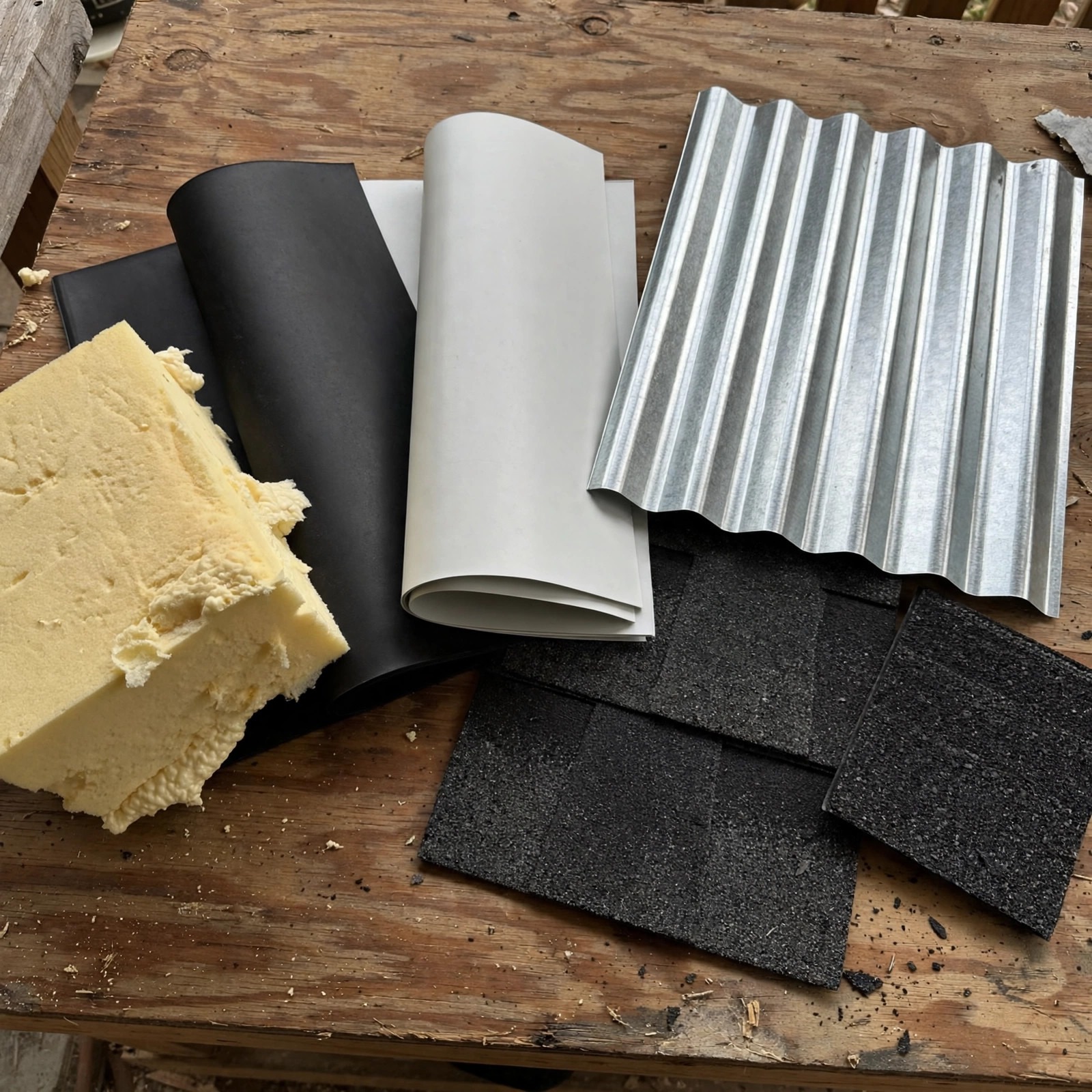
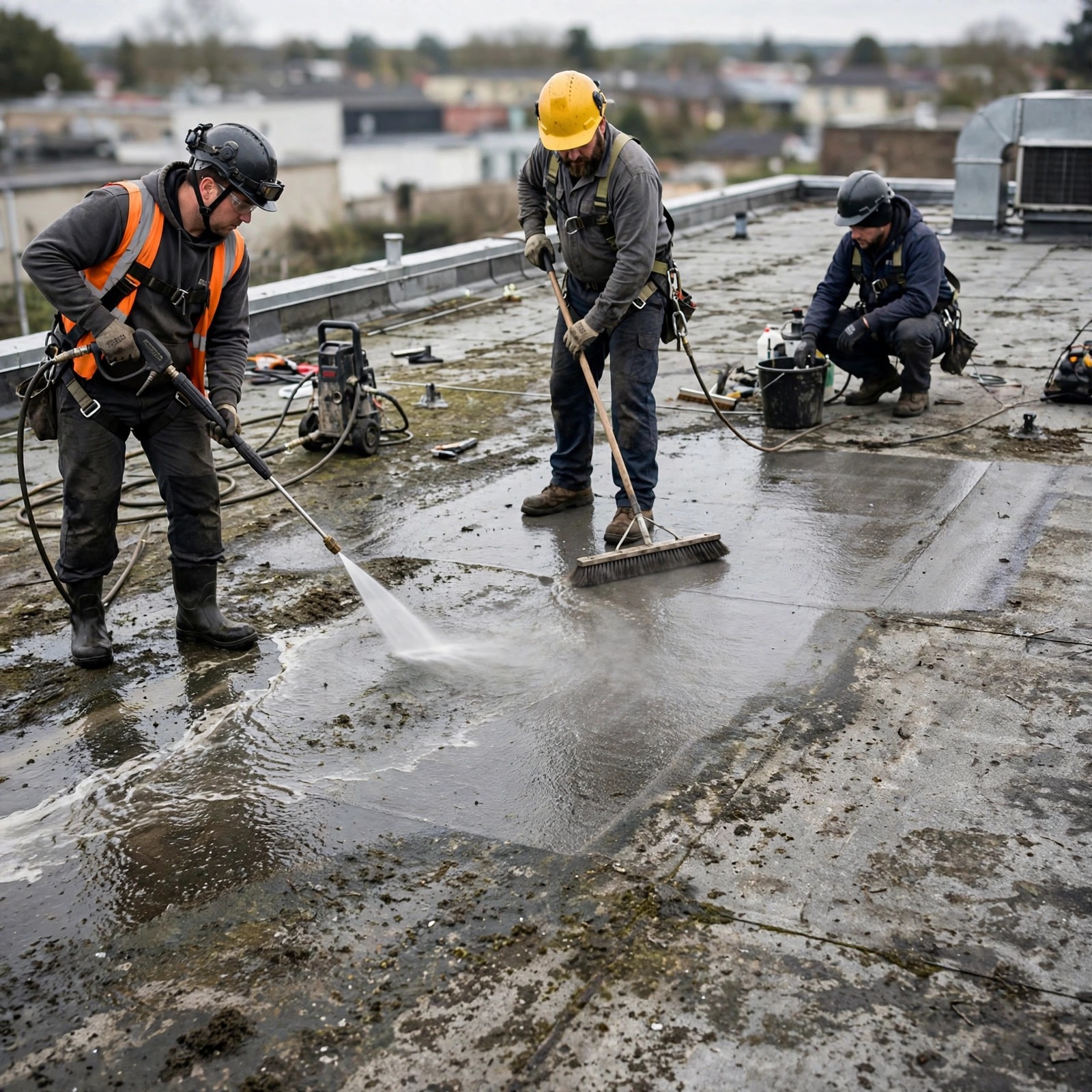
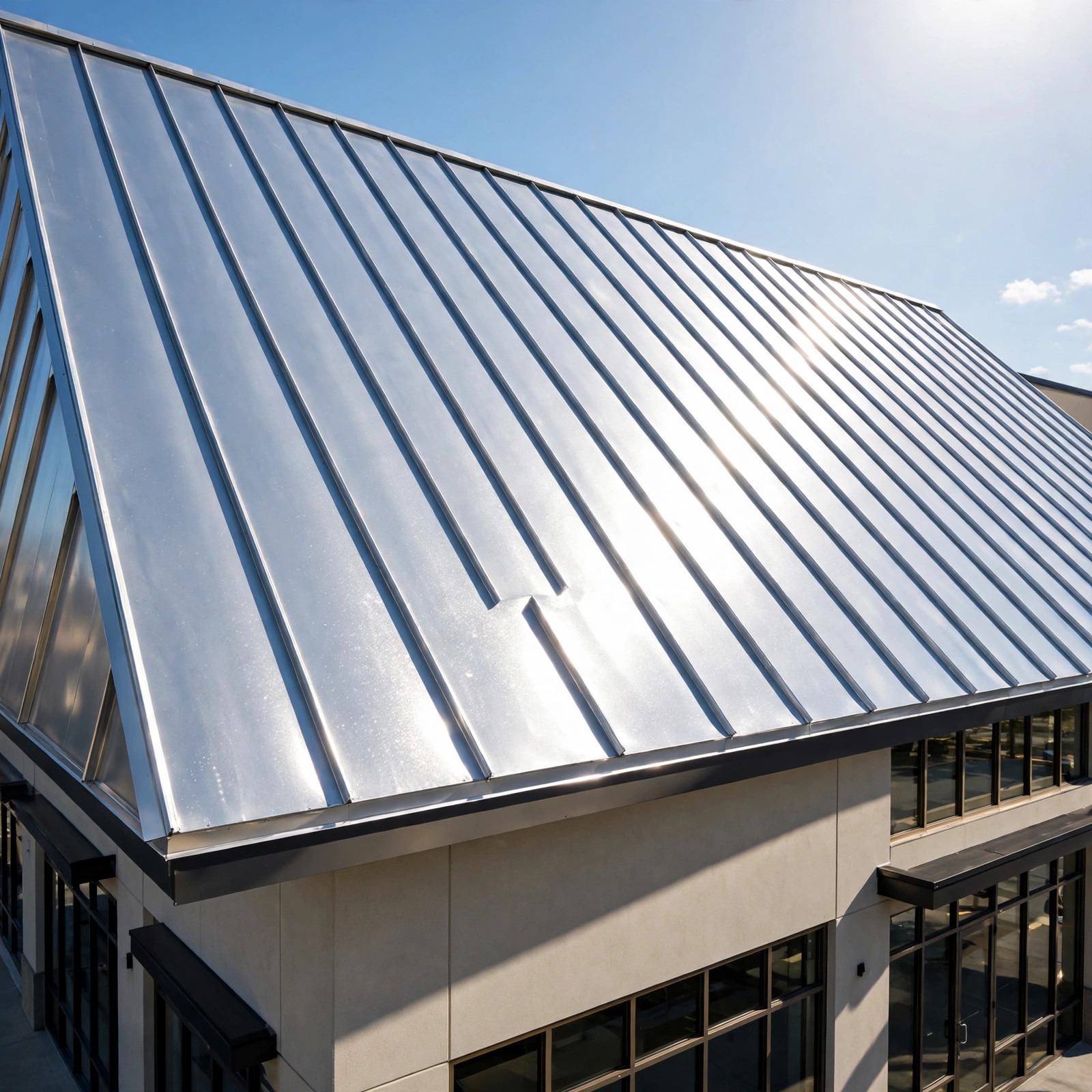
Spray foam connects to the rest of the commercial line: the full systems comparison, inspections that read what is overhead now, the coatings that keep foam alive, and the leak and replacement paths every working roof eventually needs.

Why foam works
Six Strengths of a Spray Polyurethane Foam (SPF) Roof
SPF is chosen for buildings where seams, insulation, or difficult details are the problem. Here is the case, point by point.
No Seams to Fail
Most commercial roof leaks begin at seams and laps. An SPF field has neither: the foam is one continuous skin from edge to edge. The details that fail first on other roofs, flashings and joints, are here just more foam, wrapped around the penetration in the same pour.
Insulation Included
Closed-cell foam insulates as it waterproofs, with R-value per inch among the highest of any roofing material. Buildings that would otherwise add foam board under a membrane get the insulation free with the roof, and the energy savings begin the first month.
Dead-Level Drainage Help
Because it is sprayed, foam can be applied thicker where water ponds and feathered to build slope toward drains on a roof that was poured too flat. Few other systems can add taper this cheaply, and ponding water is among the top killers of flat roofs.
Light Over Old Roofs
Foam weighs so little that it often goes directly over a sound existing roof: no tear-off, no dumpsters, no exposing the building to weather mid-project. The old roof becomes the substrate, and the new seamless surface becomes the roof.
Self-Flashing Details
Curbs, pipes, vents, and equipment stands are the fiddliest work in roofing, done with cut pieces and sealant in other systems. Sprayed foam simply flows around them and cures in place, turning every penetration into part of the field instead of a patch on it.
Renewable Surface
An SPF roof is maintained by renewing its coating. When the elastomeric topcoat wears thin after years of service, a fresh coat restores full protection without touching the foam beneath, and the cycle can repeat for the life of the building.
Match foam to building
Which Buildings Belong Under Spray Polyurethane Foam (SPF)
Foam wins the buildings that frustrate sheet goods, and the patterns repeat across North Texas.
Roofs crowded with penetrations and equipment, where flashing work would dominate a membrane job, are foam's home ground. Buildings fighting ponding water get taper built in. Underinsulated buildings get a roof and an insulation upgrade in one project. And sound older roofs that fail at their seams, but not in their bones, get a seamless second life without a tear-off.
Every pattern has exceptions, which is why the recommendation waits until the building itself has been read.
- Crowded rooftops: foam flows around everything
- Ponding problems: slope sprayed in where needed
- Thin insulation: roof and R-value in one pass
- Sound old roofs: seamless recover, no tear-off
The company
JBN Roofing of Texas, a Division of The JBN Group, Inc.
The JBN Group, Inc. is a family-owned general contracting company based at 125 Old Alton Drive in Denton, Texas, founded in 1996. JBN Roofing of Texas is its roofing division, working from Suite 8 at the same address and serving commercial property owners across North Texas. The group carries an A+ rating with the Better Business Bureau, and the roofing division is fully insured. Office hours run Monday through Thursday 9:00 AM to 5:00 PM, Friday 9:00 AM to 4:00 PM, and Saturday 10:00 AM to 2:00 PM Central. Reach the roofing team at 469-340-0838 or sales@jbnroofingoftexas.com.
How the system gets scoped
Inspection First, Spray Rig Second
Foam thickness, surface prep, and coating are the three variables that decide an SPF roof's life, and all three come from the inspection.
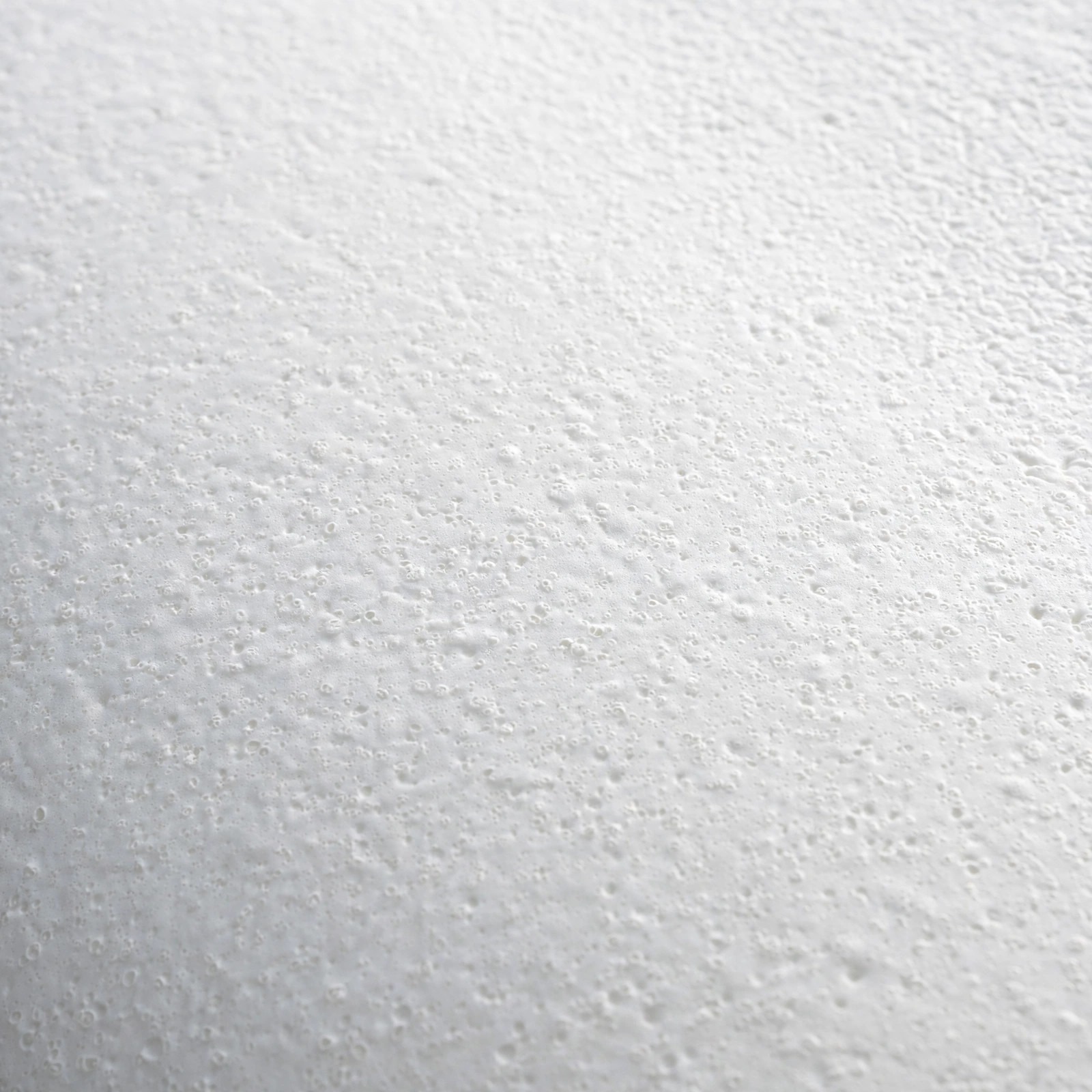
The crew reads the building first: the existing roof's condition and whether it can serve as the substrate, moisture in the old assembly, drainage and where taper needs building, and every penetration the foam will wrap. Thickness is specified for insulation value and traffic, and the coating system, silicone or acrylic with its granule finish, is matched to ponding and sun.
The recommendation then names the foam thickness, the prep scope, and the coating, with one written price. When a membrane or metal roof would serve better, that is priced and stated too, because seamless is not always the answer, just often.
- Substrate and moisture scanned before recover is proposed
- Drainage mapped; taper plan stated in the quote
- Foam thickness specified, not left to the day
- Coating system matched to ponding and traffic
- Alternatives priced honestly when they fit better
Read the Building
Existing roof, moisture, drainage, and penetrations are documented with photos and measurements.
Specify the System
Foam thickness, taper plan, and coating system are selected from the building's facts.
Price It in Writing
One written price covers prep, foam, coating, granules, and details: the whole job, up front.
Spray and Coat
The surface is prepped, foam is sprayed in even passes to spec, and the coating and finish are applied and checked.
The honest fine print
Foam's One Rule: The Coating Is the Roof's Skin
Spray foam itself hates sunlight. Its protective coating is not decoration, and treating it as optional is how foam roofs get a bad name.
Ultraviolet light degrades bare foam quickly, so the elastomeric coating goes on promptly, at full thickness, and it gets inspected over the years like any wearing surface. Hail and dropped tools can dent the foam, and birds occasionally peck at exposed spots; all of it repairs easily by cutting out the damage and re-spraying the patch. What foam asks in return is a recoat on schedule, a small price next to the tear-off it avoided.
Ask any bidder, us included, what foam thickness and which coating, at what mils, the quote includes. Vague answers there are how thin roofs get sold. Call 469-340-0838 and ask us first.
Where we work
Spray Foam Roofing Across North Texas
From our Denton office, JBN Roofing of Texas installs and restores spray foam roofs for commercial buildings across the northern Dallas-Fort Worth area. Seamless recovers over seam-failed roofs, taper sprayed under ponding water, insulation poured onto underinsulated buildings: each property gets the system its own facts argue for.
Own or manage a property outside that area? Call 469-340-0838 and ask. If we cannot serve the building well, we will tell you plainly.
What an SPF Quote Names
- Foam thickness and density
- Surface prep and tear-off scope, if any
- Taper plan for ponding areas
- Coating type and thickness in mils
- Granule or finish coat for traffic areas
- One written price for the whole job
Straight answers
Spray Polyurethane Foam (SPF) FAQs
What is spray polyurethane foam roofing?
It is a roof sprayed on as a liquid that expands into a seamless layer of closed-cell foam, then protected by an elastomeric coating. The foam is both waterproofing and insulation in one application, and because it is applied wet, it seals around curbs and pipes instead of being cut and flashed at each one. There are no seams or laps anywhere on the field.
How thick is an SPF roof, and does it insulate?
Thickness is specified per building, commonly in the range of one to two inches or more where insulation value matters. Closed-cell foam carries high R-value per inch, so the roof itself becomes a serious insulation layer. The quote names the thickness, because it drives both the roof's strength and its energy performance.
Can SPF go over my existing roof?
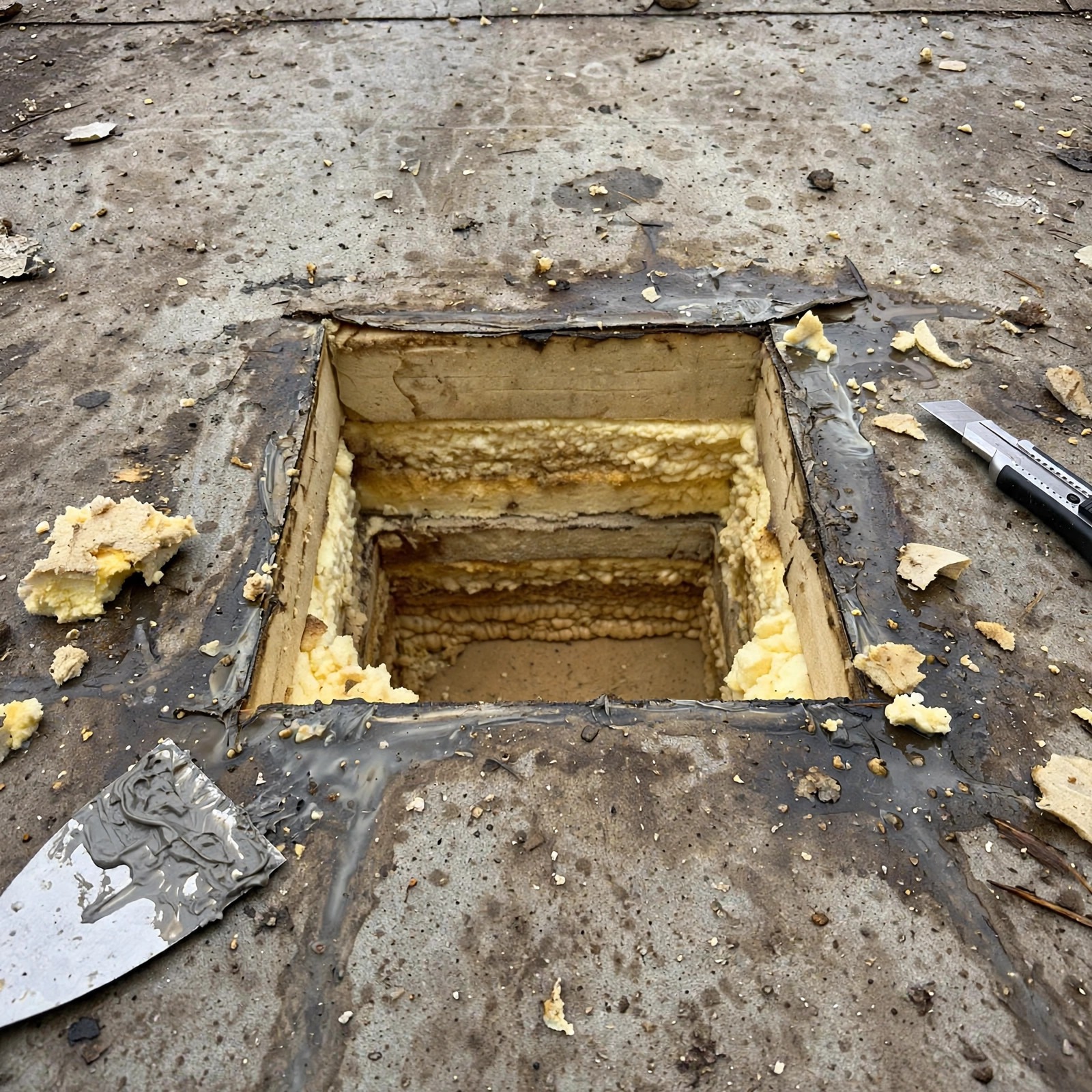
Often, yes. Foam is light enough to spray over many sound existing roofs, skipping the tear-off entirely. The conditions are a dry substrate and a base roof solid enough to hold the system; moisture scans and core cuts confirm both. If the old assembly is wet or failed, foam over it would seal in the problem, and we will say so.
Does a foam roof need a coating?
Yes, always. Sunlight breaks bare foam down, so every SPF roof is finished with an elastomeric coating, silicone or acrylic, that shields it from ultraviolet light and weather. That coating is a wearing surface: it gets inspected over the years and renewed when it thins, which restores the roof without touching the foam.
What happens if a foam roof gets damaged?
It repairs cleanly. Dents, cuts, and hail strikes are cut out to sound foam and re-sprayed, then the patch is coated to match. Because there are no seams, most damage stays local instead of traveling along a lap. Annual walk-throughs catch small spots while they are still five-minute fixes.
How long does an SPF roof last?
The foam itself can serve for decades; its life is governed by the coating over it. With recoats on schedule, an SPF roof is effectively renewable indefinitely, which is why owners treat it as a maintain-forever system rather than a replace-every-twenty-years one. The math depends on the building keeping its coating appointments, and the quote says so plainly.
Seamless · Insulated · Renewable
A Roof With No Seams Has Nothing to Split
An inspection reads the building, the recommendation names the foam thickness and coating, and the price arrives in writing. That is the whole process, and it starts with a call.