
JBN Roofing of Texas · A Division of The JBN Group, Inc.
Low-Slope Roofing
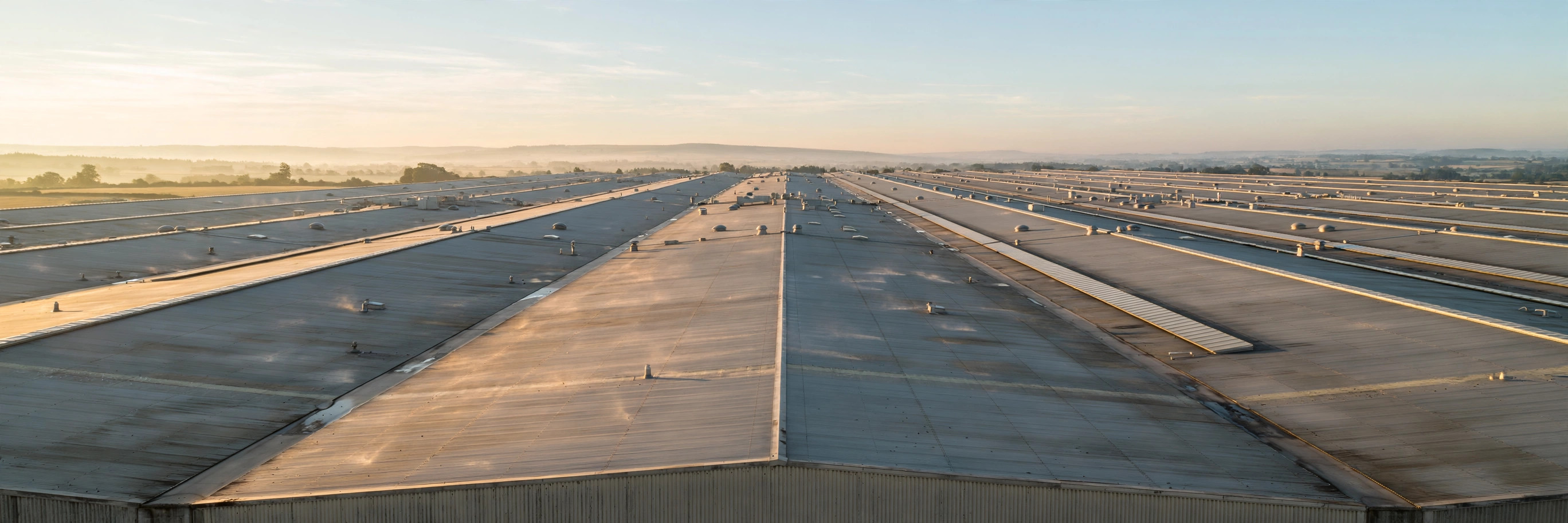
Low-Slope Roofing is designed for shallow commercial roofs. Water moves slowly on a shallow roof. The whole design has to respect that.
Low-Slope Roofing covers the shallow-pitch roofs over most of commercial North Texas: warehouses, schools, retail, and offices, where the slope is too gentle to shed water the way a steep roof does. On these buildings the roof cannot rely on gravity alone, so everything turns on drainage design and sealed systems: tapered insulation that builds fall where the deck lacks it, crickets that split standing water around curbs and units, generous drains, and membranes whose seams are welded or fused into one continuous skin. Done right, a low-slope roof drains dry within two days of any storm and serves for decades. JBN Roofing of Texas designs, installs, and maintains low-slope systems across the region. Get a written assessment and one clear number: call us at 469-340-0838.
What low-slope means
Low-Slope Roofing, Defined by How Water Behaves
A roof at three-in-twelve pitch or less is low-slope. Water crosses it slowly, lingers at every low spot, and tests every seam it passes.
That single fact drives the whole discipline. Materials must tolerate standing water for a day or two without complaint. Seams cannot rely on laps shedding like shingles; they must be welded, fused, or built in plies. And the slope itself often has to be manufactured: tapered insulation boards create fall toward drains on decks that were framed nearly dead flat, and crickets, the small saddles behind curbs and units, split ponded water around obstacles instead of letting it sit and add weight.
A low-slope roof that drains is a durable roof. A low-slope roof that ponds is a countdown. The design work is telling the difference before materials are bought.
Wondering which kind you own? Call 469-340-0838 for a drainage-first assessment.
Roofing services
The Systems That Fit a Shallow Roof
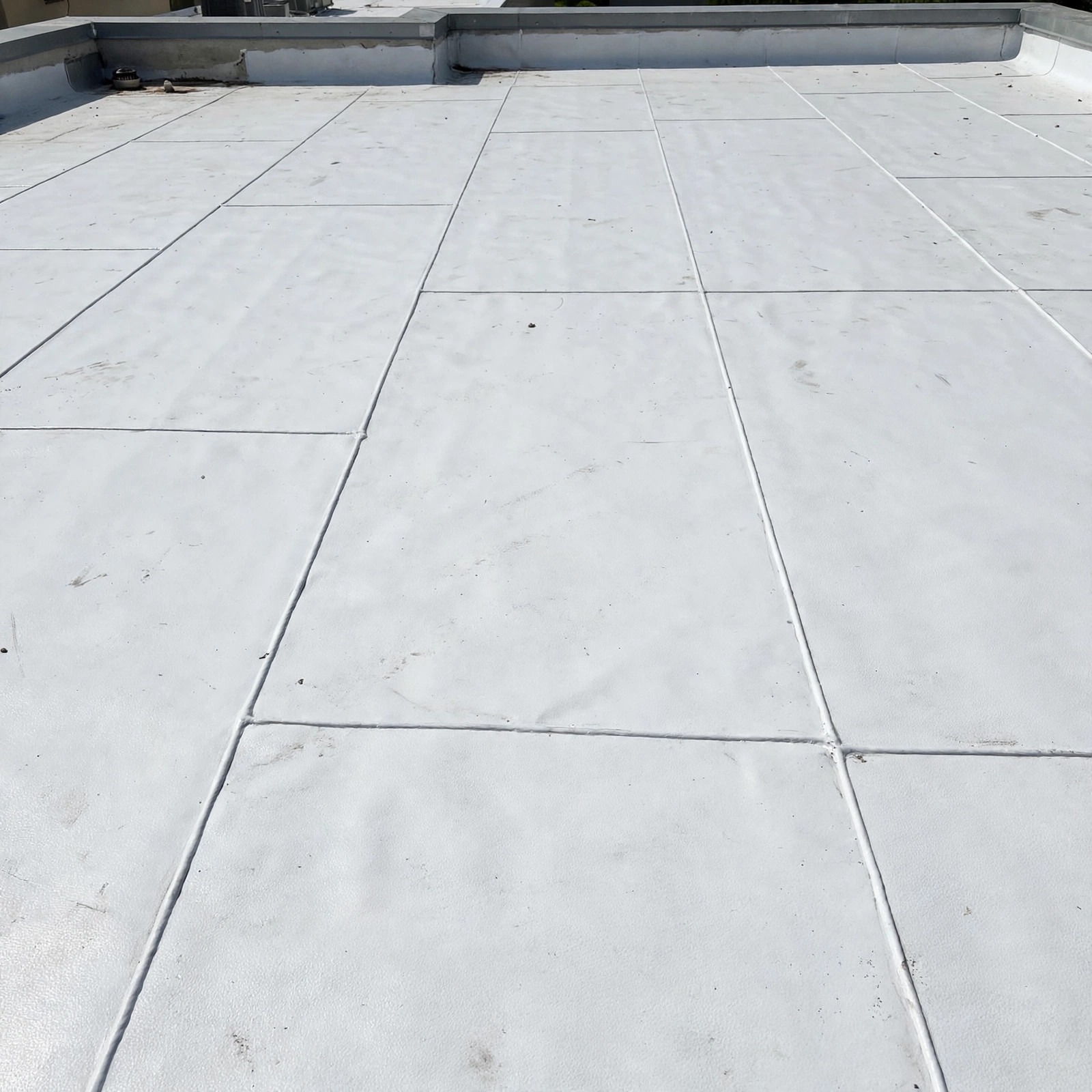
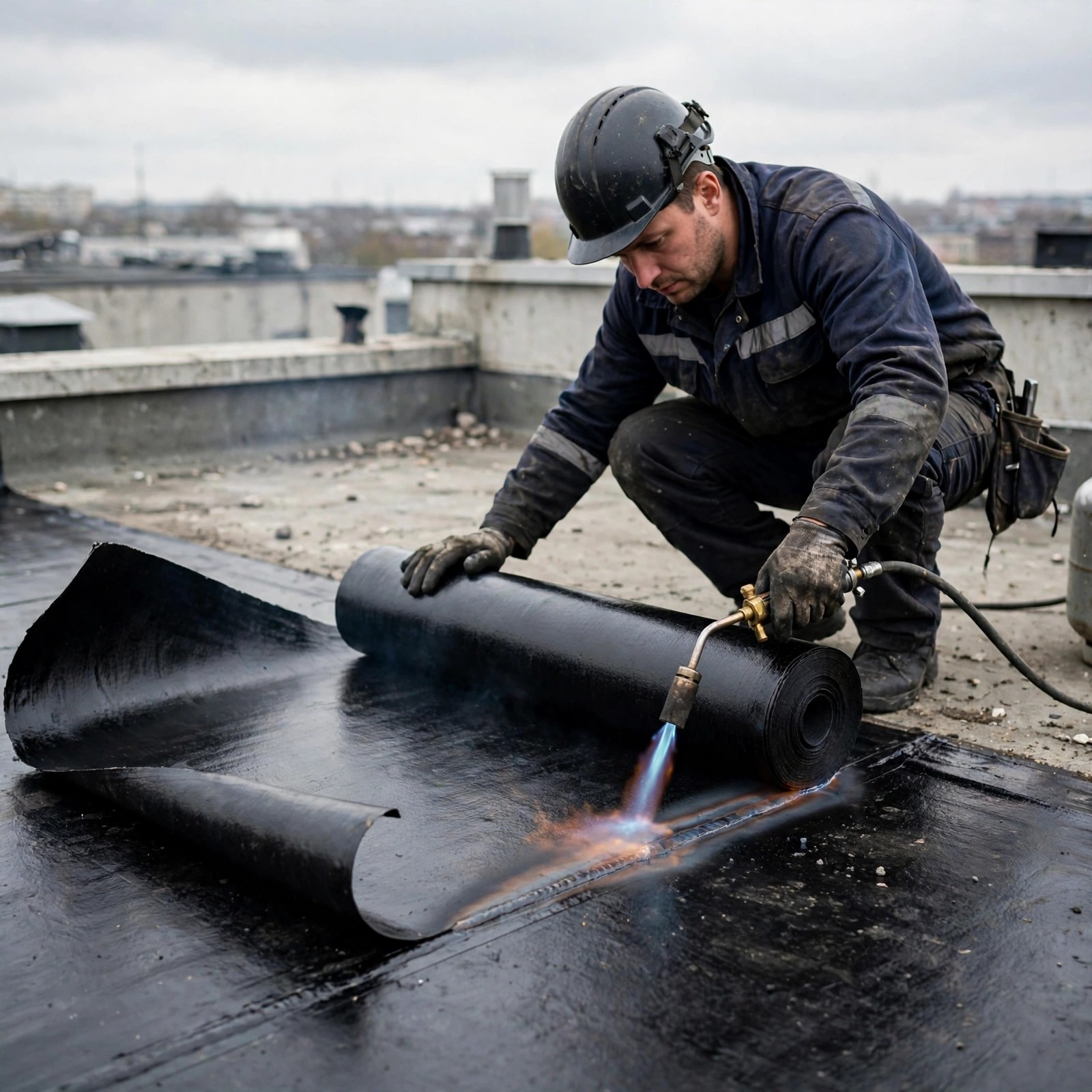
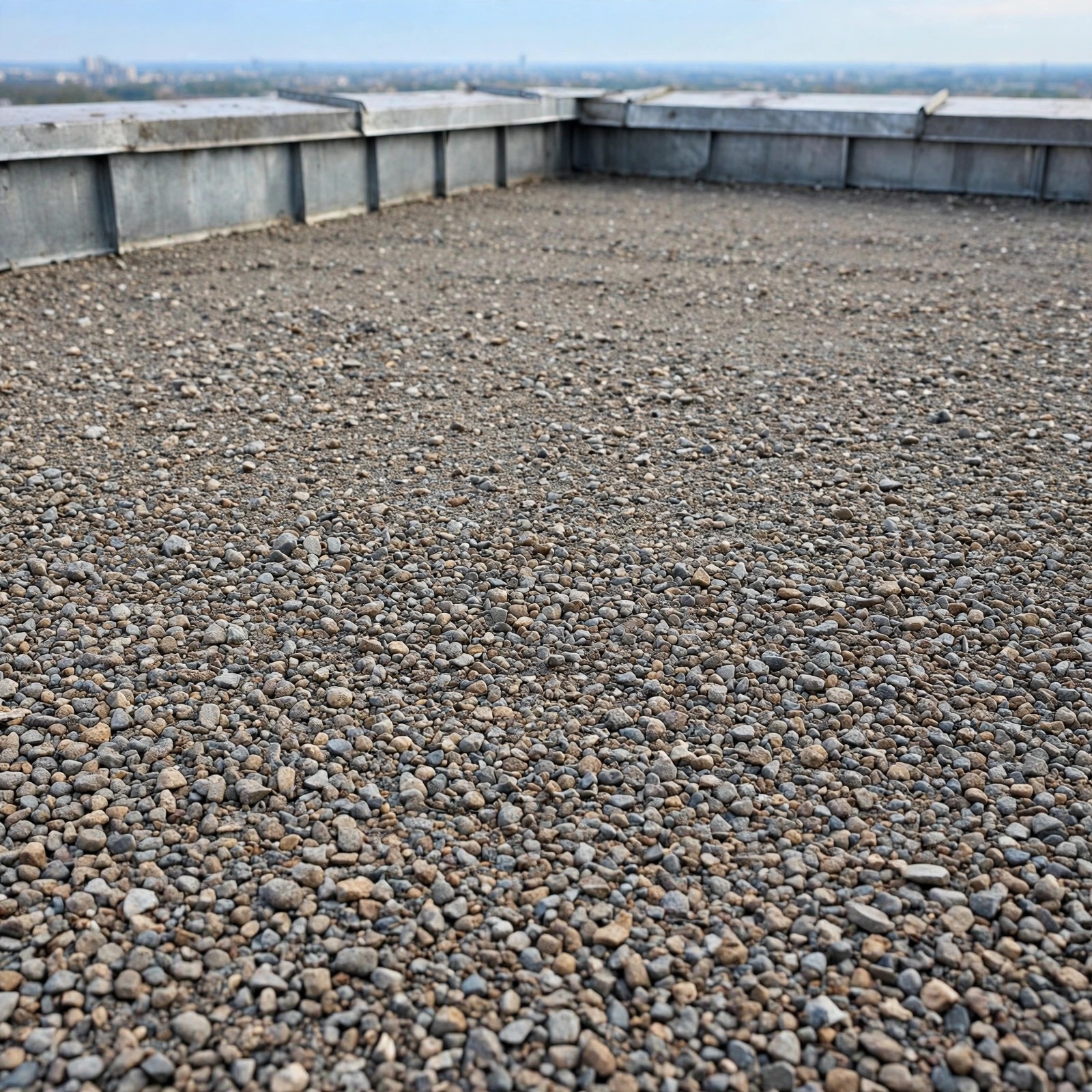
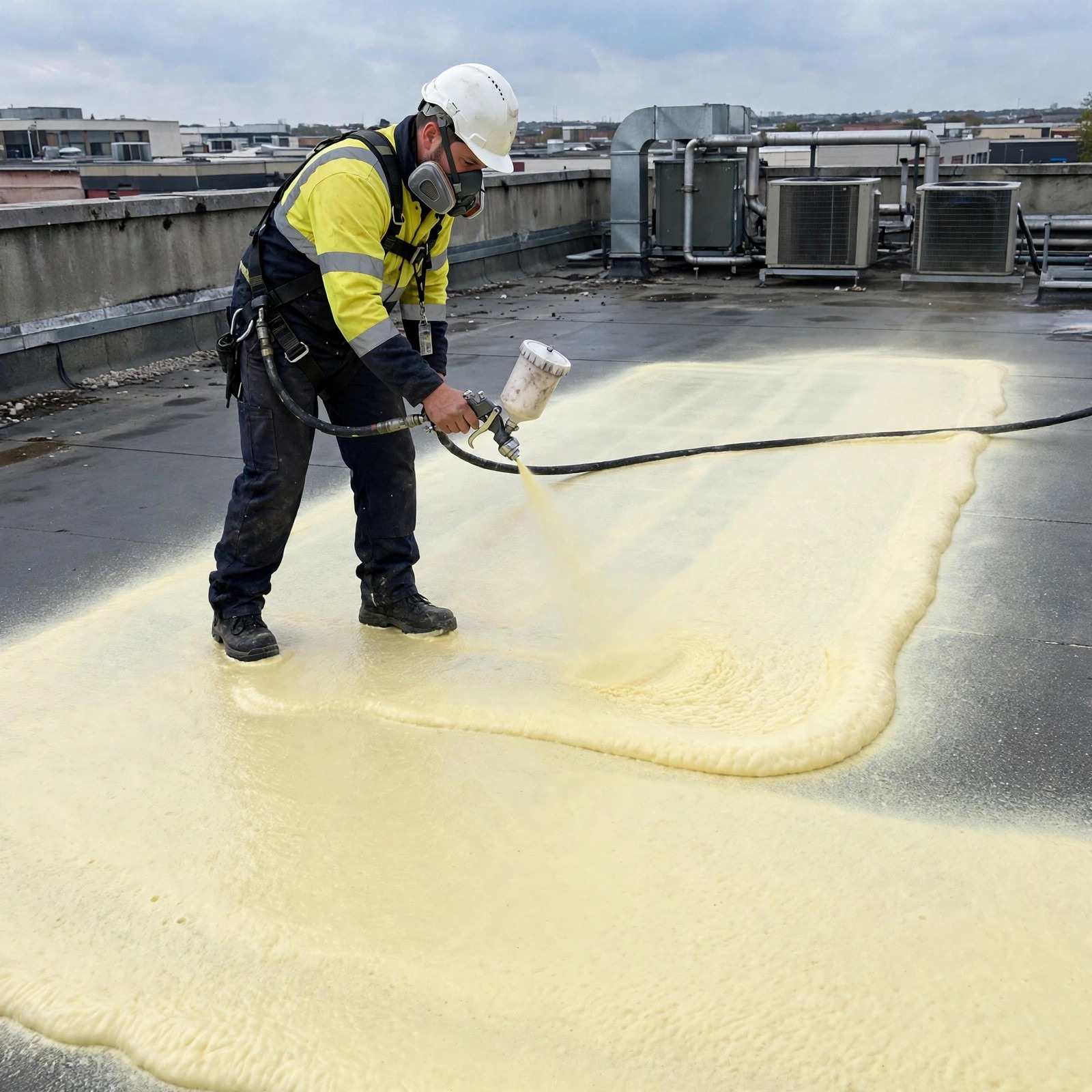
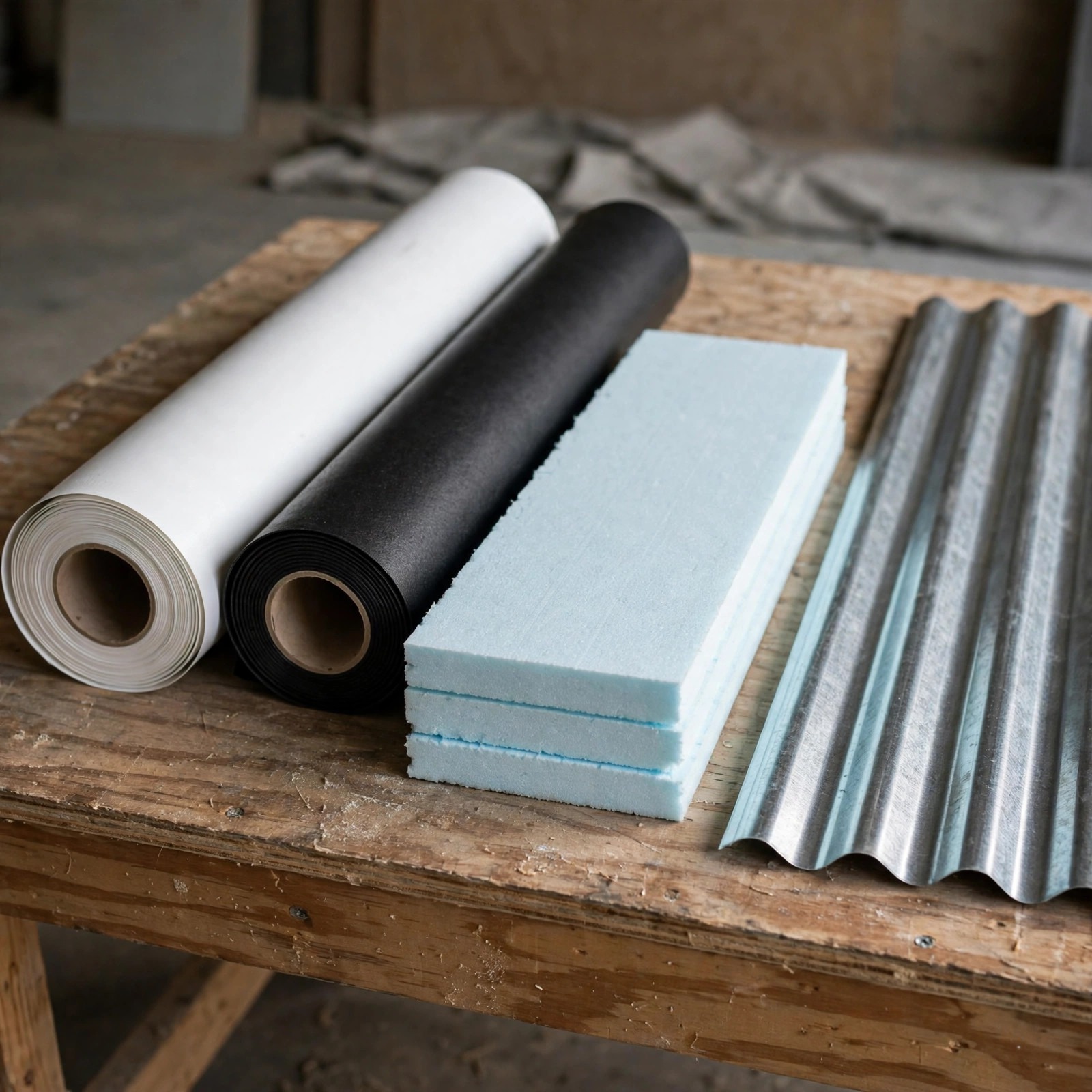
Every system below is built for slow drainage when it is detailed right. The right pick depends on the building's use, its deck, and how its water actually moves.
How the design is built
The Six Decisions Inside Every Low-Slope Roofing Job
Membrane choice is the visible decision. These six, made in order, decide whether the roof drains or ponds for the next twenty years.
Read the Existing Fall
The deck's real slope is measured, not assumed: where water goes now, where it stalls, and which low spots the last roof lived with. Ponding marks, silt lines, and drain history tell the story the drawings forget.
Design the Taper
Tapered insulation is laid out like a map: high points, valleys, and drain sumps drawn so every square foot of field falls somewhere useful. The taper plan is the roof's drainage skeleton, and it is priced as part of the job, not discovered during it.
Place Crickets and Saddles
Behind every curb, unit, and wall, a cricket splits the flow. Without them, water dams against obstacles, deepens, and works at flashing all season. With them, obstacles become part of the drainage instead of exceptions to it.
Size the Drainage
Drains, scuppers, and overflow paths are sized for the downpours North Texas actually delivers, and checked against the roof's area. A drain that cannot keep up in a hard rain turns design slope into standing depth.
Match the System
With drainage designed, the membrane is chosen on evidence: heat-welded single-ply for clean seams, mod bit or BUR plies for toughness, SPF where slope correction and insulation come in one pass, always against the building's traffic and exposure.
Prove the Drainage
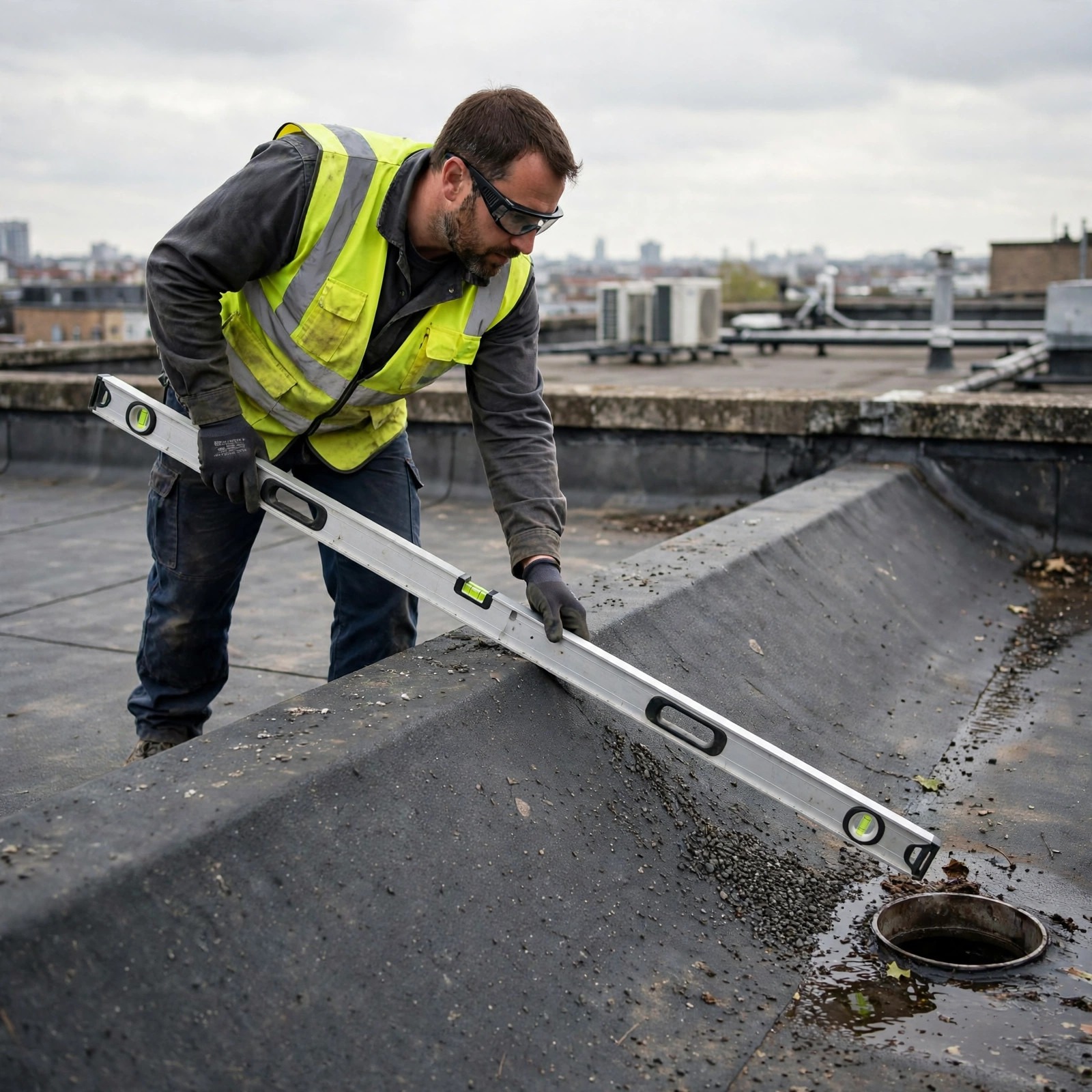
After installation, the roof is read after rain or with controlled water: fields should clear within about forty-eight hours. What still ponds gets named, explained, and addressed while the crew and the warranty conversation are both fresh.
The ponding problem
Why Standing Water Shortens a Low-Slope Roof's Life
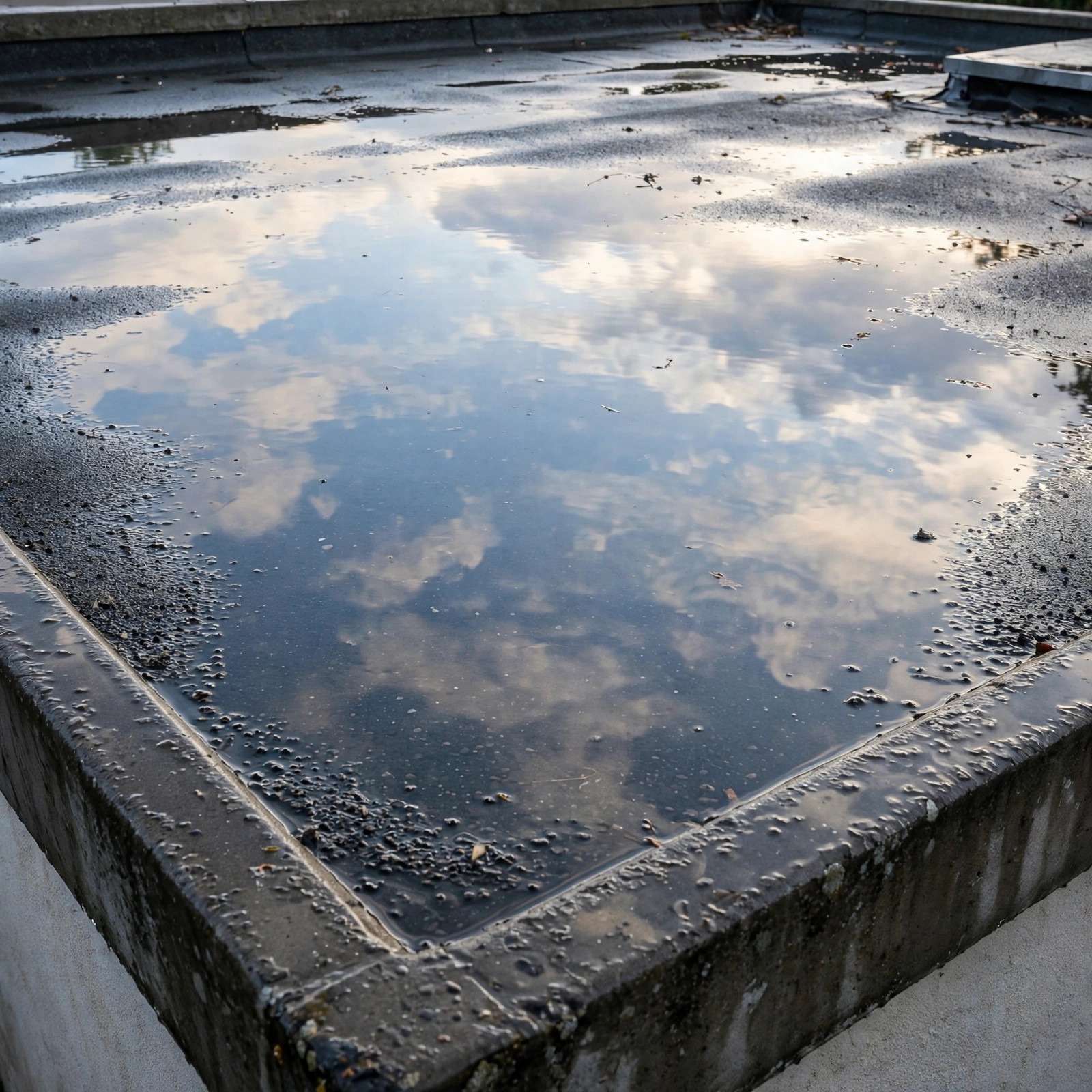
Ponded water is heavy, patient, and hard on seams. A shallow layer left standing adds load the deck never budgeted for.
An inch of water across a roof weighs over five pounds per square foot, and it concentrates exactly where the deck already sags, deepening the pond in a slow feedback loop. Sunlight magnifies through standing water onto membranes, debris collects at its edges and dams the next rain, and every seam inside the pond spends its life submerged instead of merely wet. None of that means a day of ponding after a storm is a crisis; it means a roof still holding water two days later is telling its owner the drainage design needs work.
The fix is rarely mysterious: taper, crickets, drain work, or a system change at replacement, chosen by what the water is doing.
- Weight that deepens the sag it sits in
- Seams living submerged instead of wet
- Debris dams at every pond edge
- A clear test: dry within forty-eight hours
The company
JBN Roofing of Texas, a Division of The JBN Group, Inc.
The JBN Group, Inc. is a family-owned general contracting company based at 125 Old Alton Drive in Denton, Texas, founded in 1996. JBN Roofing of Texas is its roofing division, working from Suite 8 at the same address and serving commercial property owners across North Texas. The group carries an A+ rating with the Better Business Bureau, and the roofing division is fully insured. Office hours run Monday through Thursday 9:00 AM to 5:00 PM, Friday 9:00 AM to 4:00 PM, and Saturday 10:00 AM to 2:00 PM Central. Reach the roofing team at 469-340-0838 or sales@jbnroofingoftexas.com.
Reroofing shallow
Replacement Is Where Low-Slope Roofing Gets Fixed
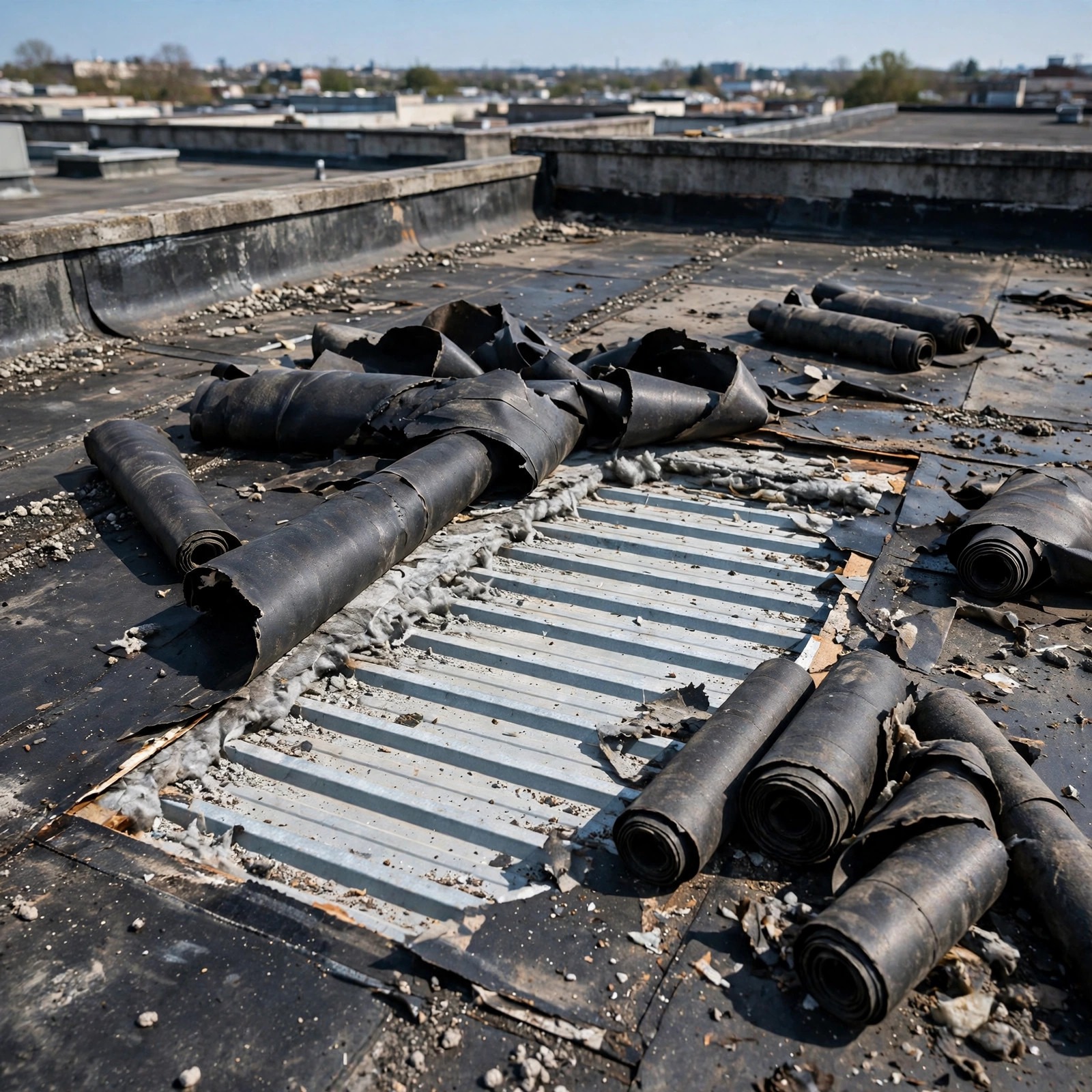
A tear-off is the one moment a shallow roof's drainage can be redesigned from the deck up.
Recovering over an old roof inherits its ponds. Replacement lets the taper be rebuilt, sagged deck areas corrected, crickets added where the first design skipped them, and drains relocated or added where the water actually gathers. It is also when a system change pays: a roof that ponded under laps may belong under welded seams. The written proposal should show the drainage design as its own line of thinking, not bury it inside a membrane price.
JBN Roofing's replacement proposals name the taper plan, the drain work, and the system separately, so the owner can see exactly what the water is being asked to do.
- Taper rebuilt at tear-off, not inherited
- Crickets added where the old design skipped them
- Drains moved or added to real low spots
- Drainage design shown separately in the proposal
Measure the Water
Existing fall, ponds, and drains are mapped first; the roof's own behavior sets the design brief.
Draw the Taper Plan
Insulation taper, crickets, and drain sizing are drawn and priced as the drainage skeleton of the job.
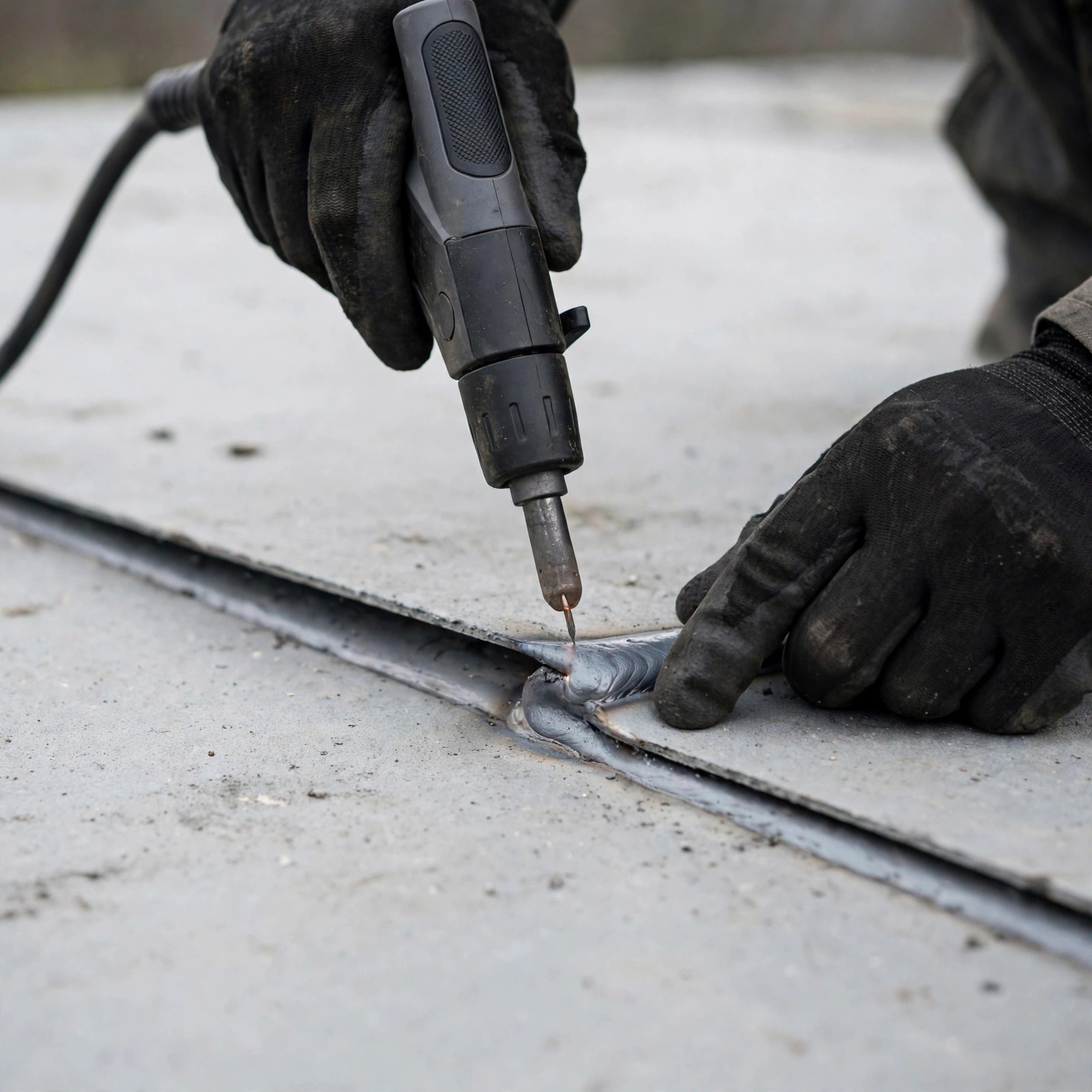
Install and Seal
The chosen system goes down over the new fall, seams welded or fused, details flashed against moving water.
Verify the Drainage
The finished roof is checked after rain: fields clear, drains run, and any lingering pond is named in writing.
The honest fine print
What Low-Slope Roofing Cannot Promise
No membrane makes a flat pond harmless forever, and no taper plan survives drains nobody clears.
Low-slope design stacks the odds: correct fall, sealed seams, sized drains. It does not repeal weather. A drain basket full of leaves ponds any design, which is why maintenance belongs in the same conversation as installation. Some existing decks also limit what taper can achieve without structural work, and when that is the case the honest proposal says so and prices the compromise openly instead of promising a dry roof the deck cannot deliver.
Ask any bidder to show the taper plan with the price. Call 469-340-0838 and ask us first.
Where we work
Low-Slope Roofing Across North Texas
From our Denton office, JBN Roofing of Texas designs and installs low-slope systems across the northern Dallas-Fort Worth area. The region's warehouses, schools, and retail buildings are overwhelmingly shallow-pitch, and their roofs live or die on drainage design.
Own or manage a property outside that area? Call 469-340-0838 and ask. If we cannot serve the building well, we will tell you plainly.
What the Assessment Covers
- Existing slope and ponding mapped
- Drain count, size, and condition
- Taper and cricket options explained
- Systems matched to drainage reality
- One written price for the full design
Straight answers
Low-Slope Roofing FAQs
What counts as a low-slope roof?
A roof pitched at three-in-twelve or less: for every twelve inches across, it rises three inches or fewer, down to nearly flat. Most commercial buildings in North Texas sit in this range, which is why the drainage-first systems and designs on this page exist.
Is ponding water always an emergency?
No. Water standing a day after rain is common and most modern systems tolerate it briefly. Water still standing after about forty-eight hours is the working line: it adds weight, stresses seams, and signals the drainage design needs attention. The assessment reads the roof's own pattern before prescribing.
Which system is best for a low-slope roof?
The one matched to the building: heat-welded TPO or PVC for clean seams and chemical needs, modified bitumen or BUR where traffic and toughness rule, SPF where slope correction and insulation arrive together. Drainage design matters more than the label; a great membrane over bad fall still ponds.
Can the slope be fixed without replacing the roof?
Sometimes. Added drains, cricket work at problem curbs, and targeted taper at known ponds can improve a sound roof. When the membrane itself is at end of life, replacement is the honest moment to rebuild the fall properly, and a recover simply inherits the old ponds under new material.
How does tapered insulation work?
The insulation boards themselves are cut in a slope and laid in a drawn pattern, high points and valleys arranged so the whole field falls toward drains. The membrane then follows the manufactured slope. It adds insulation value while it fixes drainage, and its layout is part of the written proposal.
How long should a low-slope roof last?
Service life depends on the system, its thickness and plies, and how well it drains and is maintained. What decides it more than any label is drainage plus upkeep: a drained, inspected low-slope roof reaches its system's full life; a ponding, ignored one does not. The written assessment gives an honest read for your specific roof.
Taper · Crickets · Drains · Sealed Seams
Build the Fall. The Roof Handles the Rest.
One assessment maps your roof's water, draws the drainage design, and prices the whole job in writing. Then the shallowest roof on the street drains like it means it.