
JBN Roofing of Texas · A Division of The JBN Group, Inc.
Roof Coatings & Restoration
A new waterproof skin over a sound old roof: years of added life, no tear-off, no dumpsters, no exposed building.
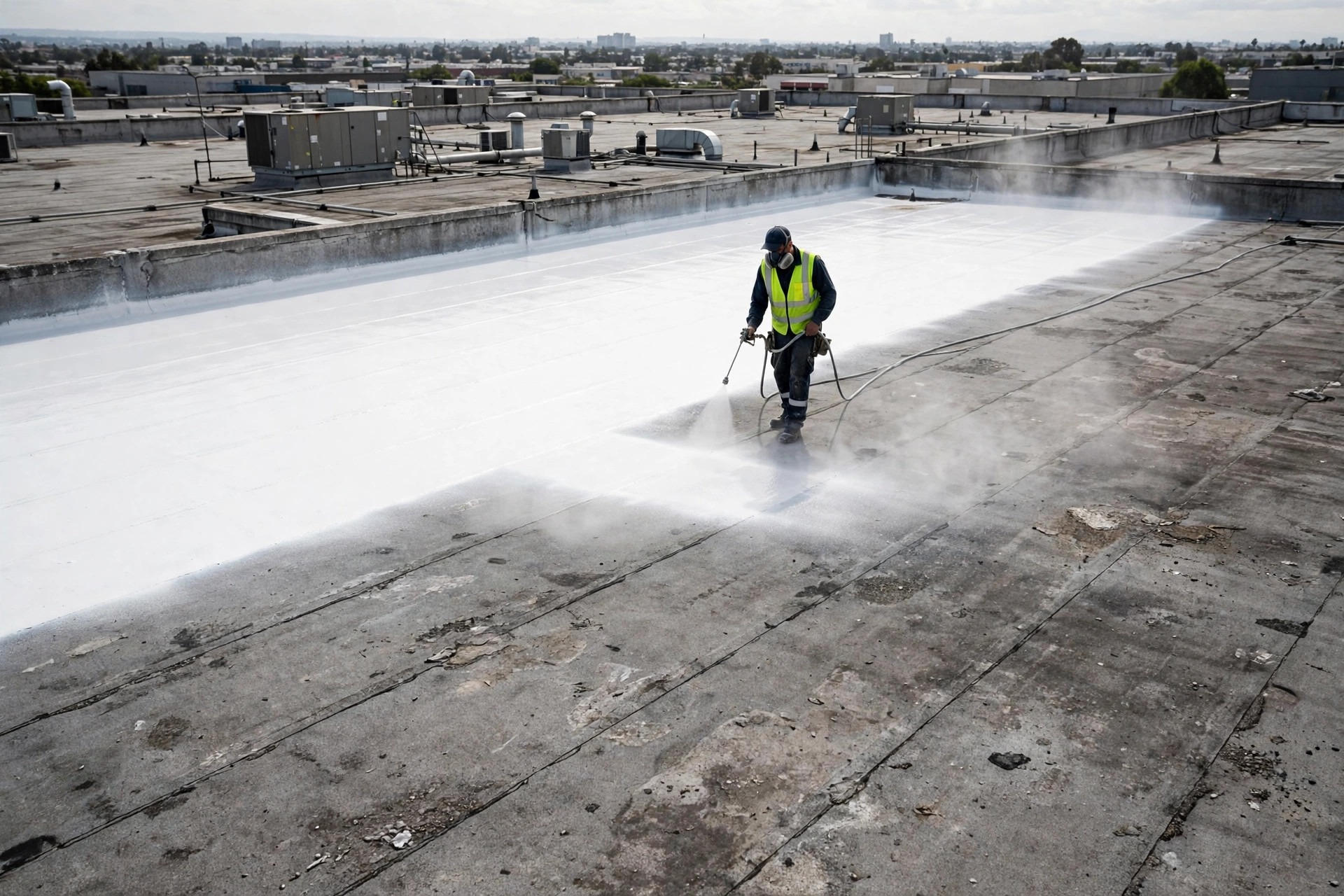
Roof Coatings & Restoration is the third path between patching a roof and replacing it. When the roof underneath is still sound, a liquid-applied coating, silicone, acrylic, or urethane, is sprayed or rolled over the whole field, where it cures into a seamless new waterproofing layer that seals aging single-ply, metal, and modified bitumen roofs. The old roof stays in place as the foundation, the building never opens to the weather, and the restored roof goes back to work with its seams, fasteners, and details sealed under one continuous skin. JBN Roofing of Texas restores commercial roofs across North Texas, and tells owners honestly when a roof is a candidate and when it is not. To find out which yours is, call the Denton team at 469-340-0838.
What restoration means
Roof Coatings & Restoration Seals the Roof You Already Own
Most roofs do not fail all at once. The field ages, seams loosen, fasteners back out, and the surface chalks and cracks, while the structure and insulation underneath stay sound.
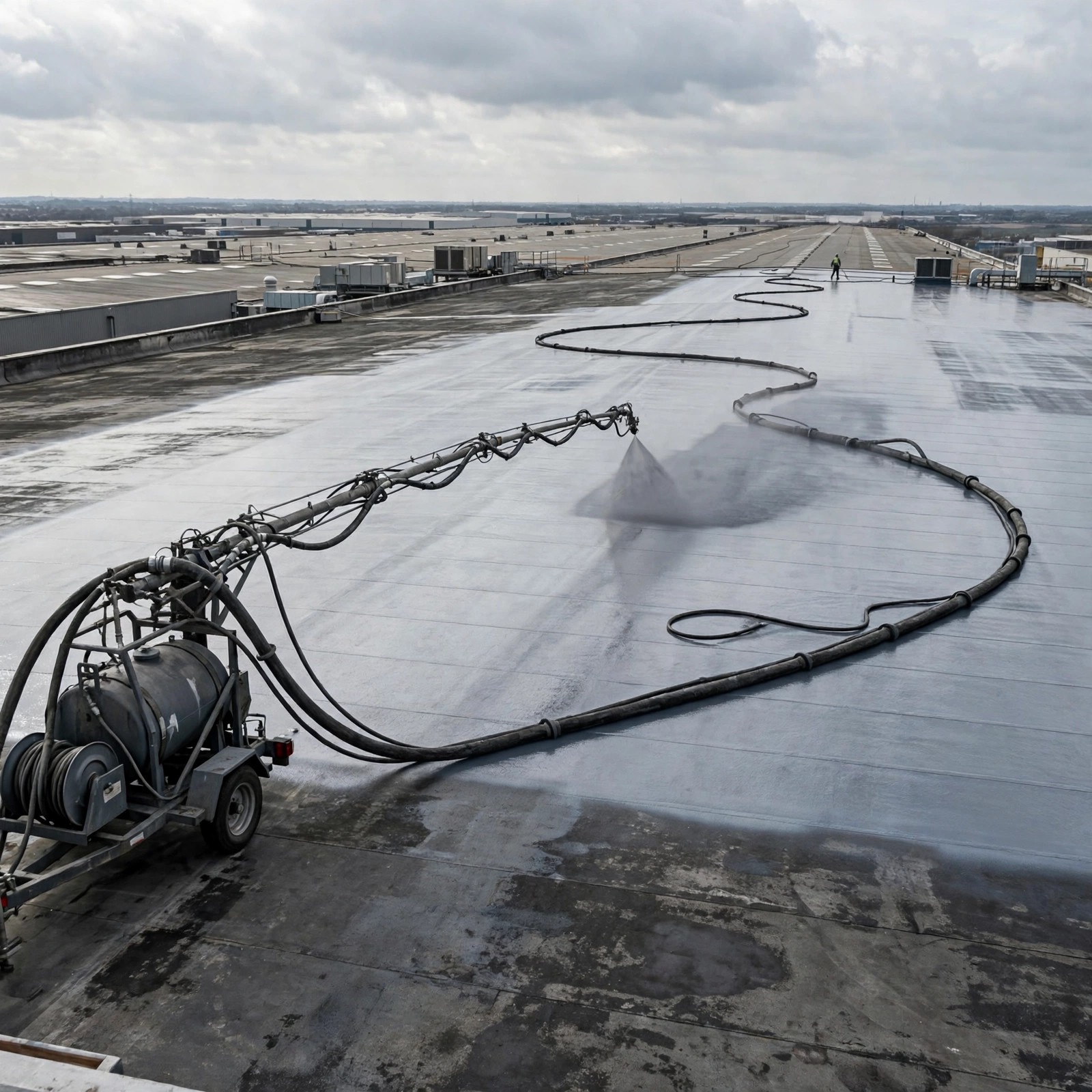
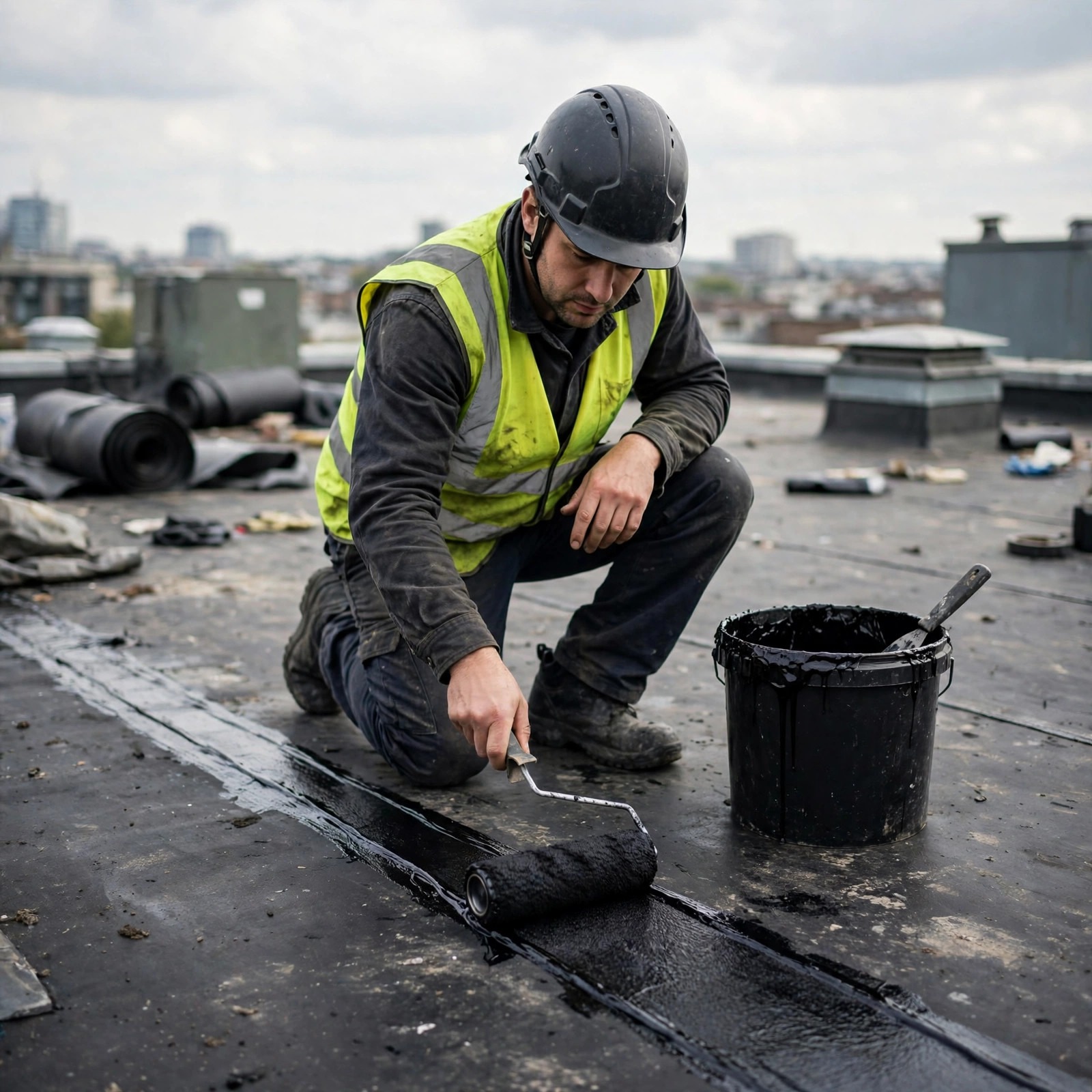
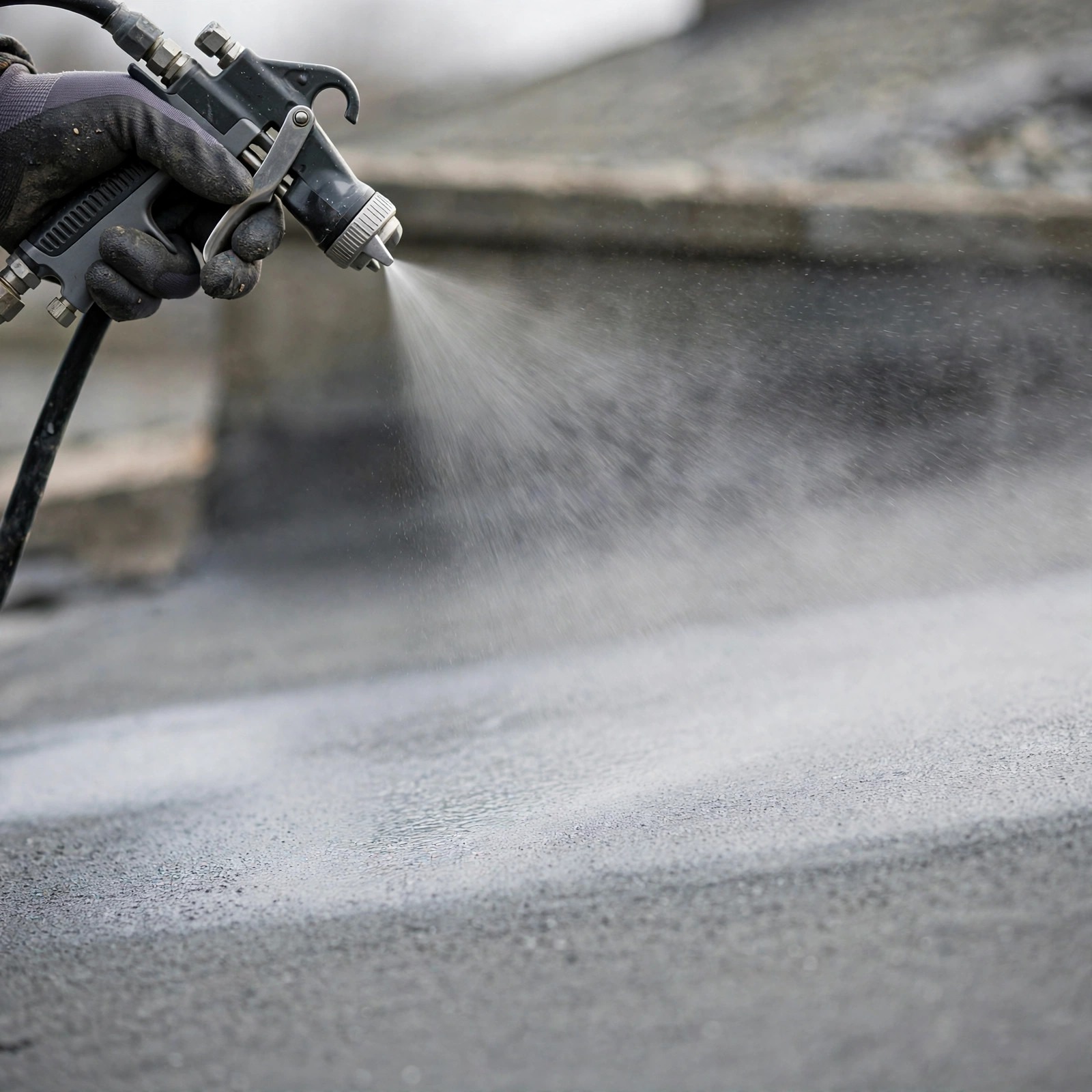
Restoration answers exactly that stage of a roof's life. The crew repairs what is broken, seals every seam and fastener, cleans and primes the surface, then applies the coating system at full specified thickness across the entire roof. The liquid finds every pinhole and hairline the way paint finds a wall, and it cures into a single membrane with no laps of its own to fail. Reflective topcoats also cut the heat load the Texas sun pours into the building.
The discipline is in the candor: a roof with wet insulation or failed plies is not a coating candidate, and coating over one buries the problem. Roof Coatings & Restoration begins with finding out which roof you actually have.
Curious whether yours qualifies? Call 469-340-0838 and ask for a restoration inspection.
Roofing services
Services Around the Restoration
Restoration connects directly to the coating bench, the inspection that decides candidacy, and the replacement path for roofs past saving. Here is the family it belongs to.
The three chemistries
Silicone, Acrylic, or Urethane: The Roof Coatings & Restoration Menu
Three coating families cover nearly every commercial roof. Each has a surface it loves and a condition it hates, and matching them is the whole craft.
Silicone: The Ponding Answer
Silicone is the only common coating that shrugs off standing water instead of being slowly undone by it, which makes it the default for flat roofs where puddles linger after rain. It also holds its flexibility for years under hard sun. Its one quirk: almost nothing sticks to cured silicone except silicone, so future recoats stay in the family.
Acrylic: The Value Standard
Acrylic coatings are the workhorse restorations: highly reflective, kind to energy bills, easy to apply and recoat, and the most economical per year of added life. They ask for a roof that drains reasonably well, because long-standing water softens them over time. On a sloped-enough metal or membrane roof, acrylic is hard to beat.
Urethane: The Tough Skin
Urethane brings impact and traffic resistance the others cannot match: it takes hail, dropped tools, and service foot traffic like a floor finish. It is often used as the armor layer in high-traffic zones or as a full system where abuse is the roof's daily reality, at a higher material cost that the building's use justifies.
On Single-Ply Roofs
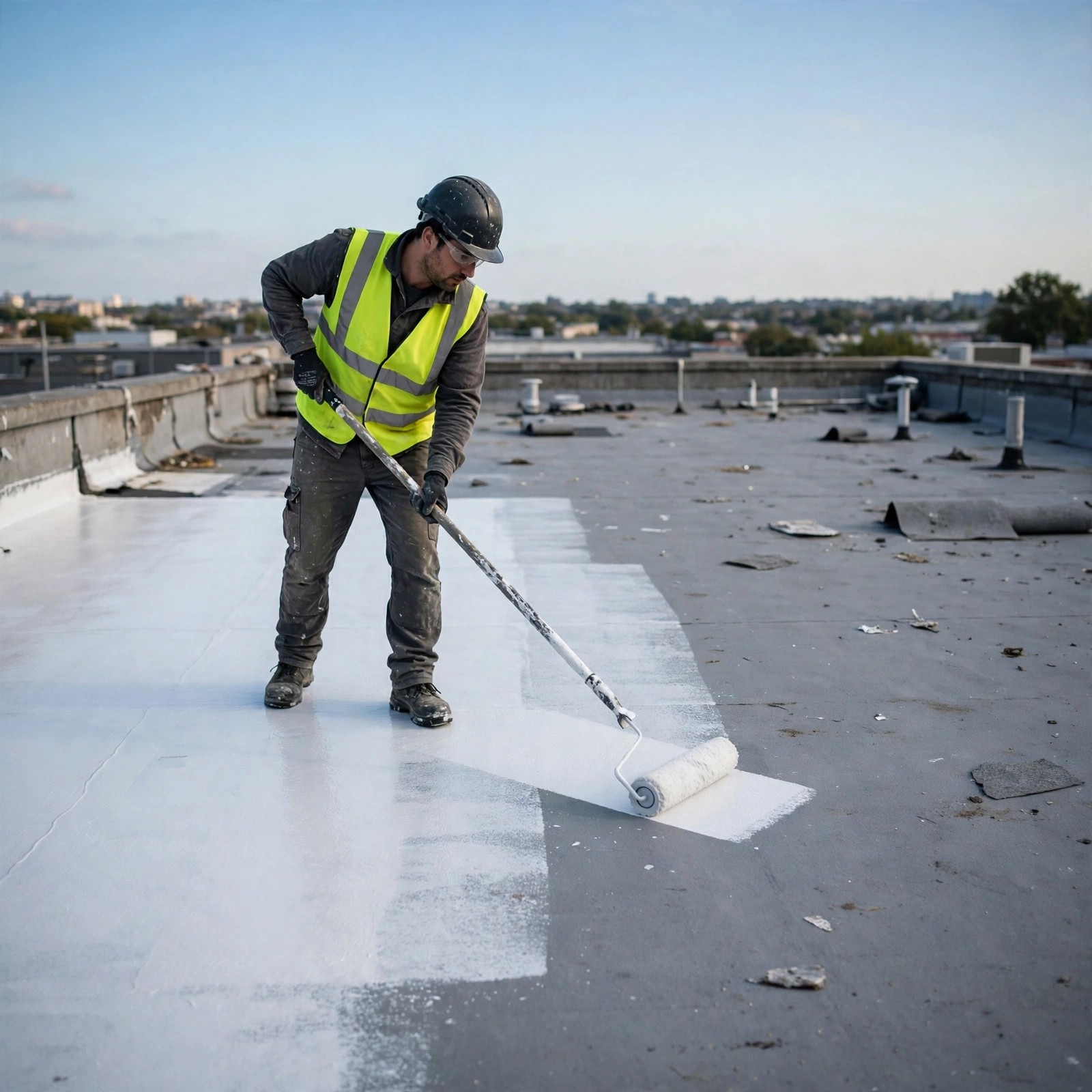
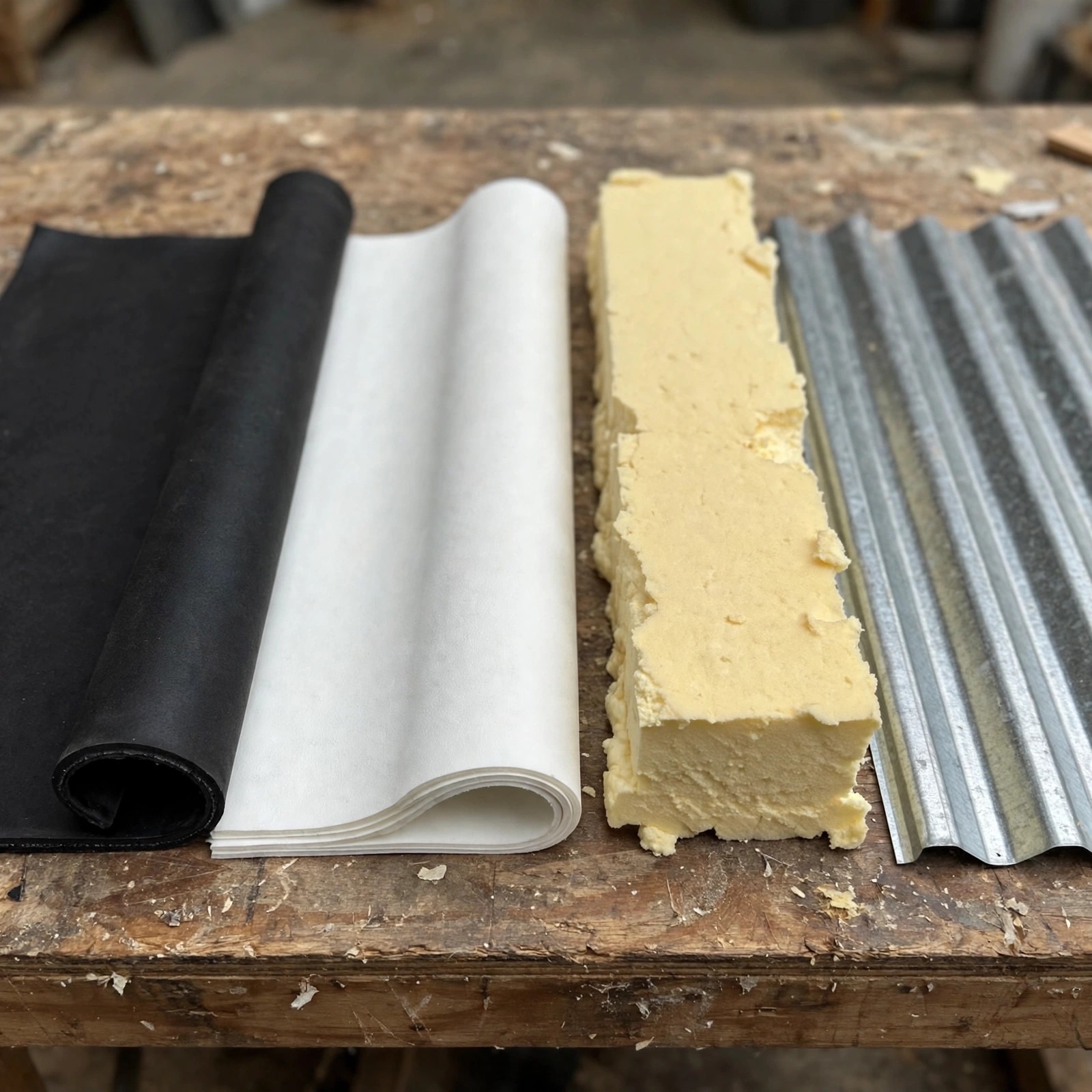
Aging TPO, PVC, and EPDM roofs whose seams are loosening but whose insulation is dry restore beautifully: seams are re-sealed or reinforced, the sheet is cleaned and primed, and the coating bridges the whole field, turning a thousand aging joints into one continuous surface.
On Metal Roofs
Metal restoration attacks the system's known weak points: every fastener is tightened and sealed, seams and laps are reinforced, rust is treated and primed, and then the coating locks the whole panel field under one skin. The panels underneath may have forty years left; the restoration protects exactly that investment.
On Mod Bit and Built-Up
Granule loss and surface cracking age asphalt roofs from the top down. A compatible coating system renews the weathering surface, seals the hairlines, and adds reflectivity the original gravel or cap sheet never had, provided the plies below test dry and sound.
Candidacy comes first
Which Roofs Qualify for Roof Coatings & Restoration
The pattern repeats: restore the roof whose bones are good, replace the one whose bones are wet, and let the inspection sort them.
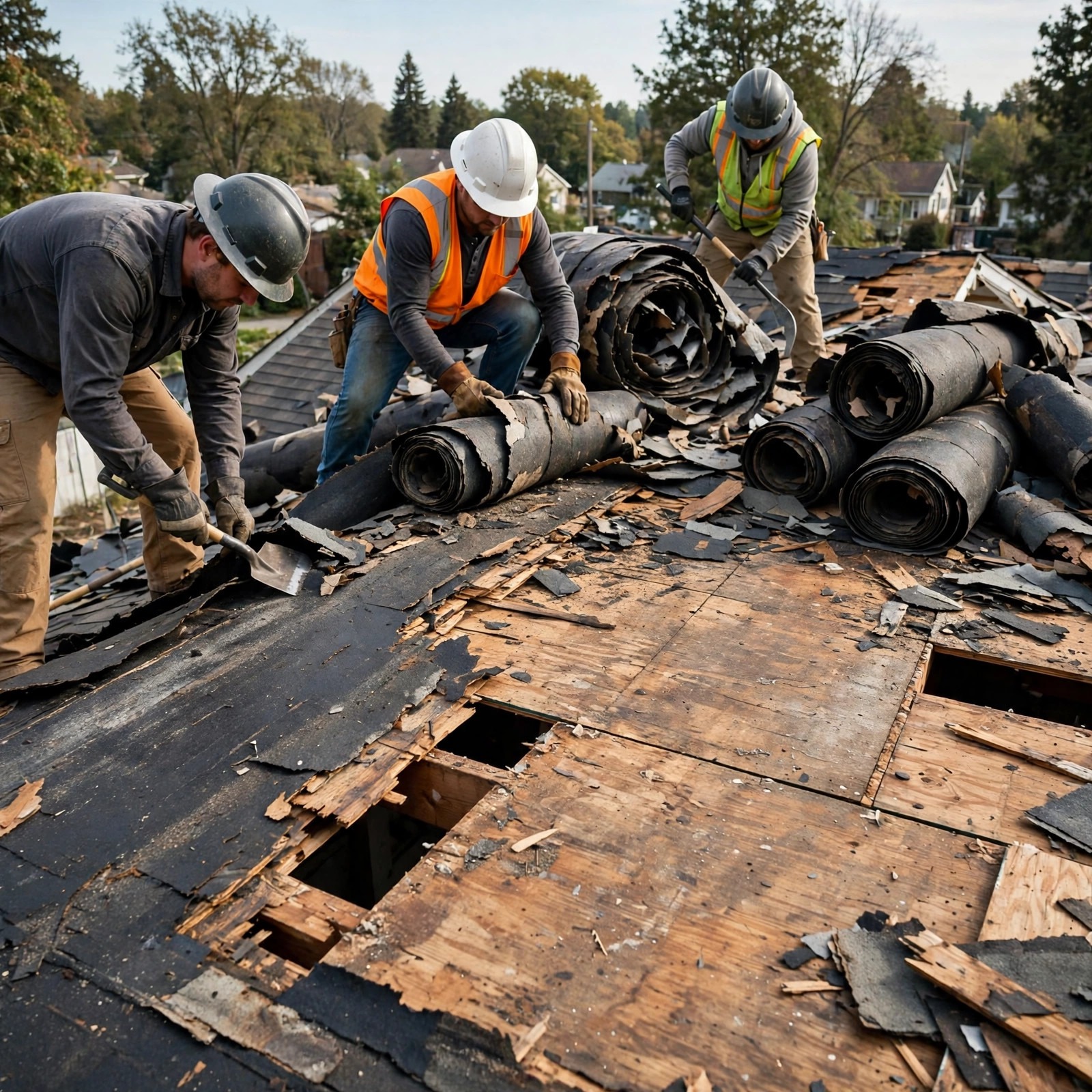
Strong candidates share the same signs: the roof leaks at seams, fasteners, or details rather than everywhere; the insulation underneath scans dry; the membrane or metal still has structural life. Weak candidates fail the moisture scan or the core cut, with saturated insulation or plies that have already let go, and for them the honest quote is replacement, with the reasons shown.
The inspection that decides costs nothing but a call, and it produces the evidence either way.
- Leaks at details, not across the whole field
- Dry insulation on the moisture scan
- Membrane or metal with life remaining
- Wet cores mean replacement, stated plainly
The company
JBN Roofing of Texas, a Division of The JBN Group, Inc.
The JBN Group, Inc. is a family-owned general contracting company based at 125 Old Alton Drive in Denton, Texas, founded in 1996. JBN Roofing of Texas is its roofing division, working from Suite 8 at the same address and serving commercial property owners across North Texas. The group carries an A+ rating with the Better Business Bureau, and the roofing division is fully insured. Office hours run Monday through Thursday 9:00 AM to 5:00 PM, Friday 9:00 AM to 4:00 PM, and Saturday 10:00 AM to 2:00 PM Central. Reach the roofing team at 469-340-0838 or sales@jbnroofingoftexas.com.
How a restoration gets scoped
Scan First, Spray Second
A coating is only as honest as the roof reading underneath it. The scope comes from the scan, not from the size of the sales territory.
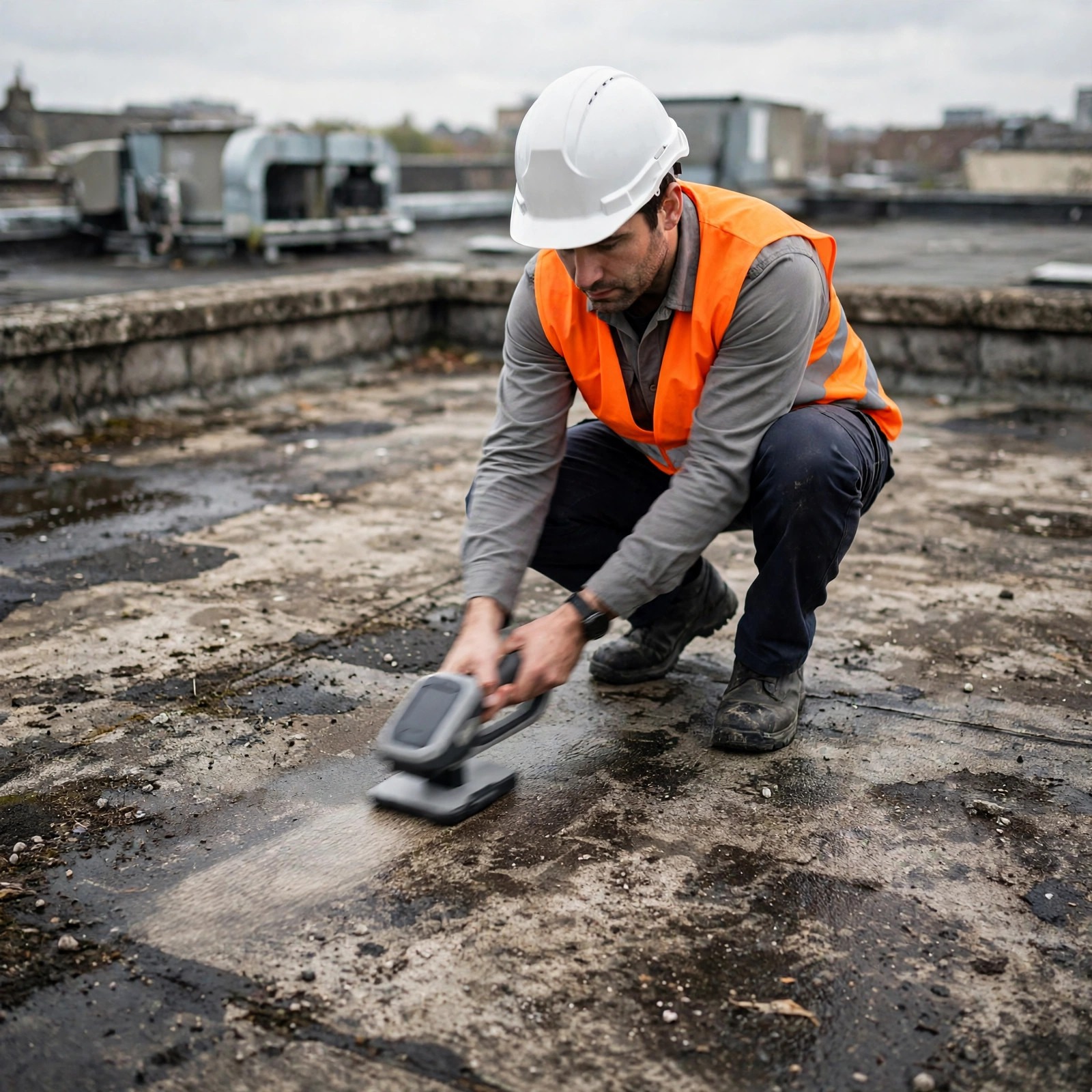
The crew inspects the field, seams, and details, then scans for moisture hiding in the insulation and takes core cuts where the readings are doubtful. Repairs are listed separately from the coating itself, because sealing a roof and fixing it are different work. The coating recommendation then names the chemistry, silicone, acrylic, or urethane, the total system thickness, and the prep the surface needs to hold it.
The written price covers repairs, prep, and the full coating system. When the scan disqualifies the roof, the report says so with the readings attached, and replacement gets priced instead, without a coating ever being sold over a wet roof.
- Moisture scan and cores decide candidacy
- Repairs scoped separately from the coating
- Chemistry and system thickness named in the quote
- Prep requirements stated, not assumed
- Disqualified roofs get the readings, not a sales pitch
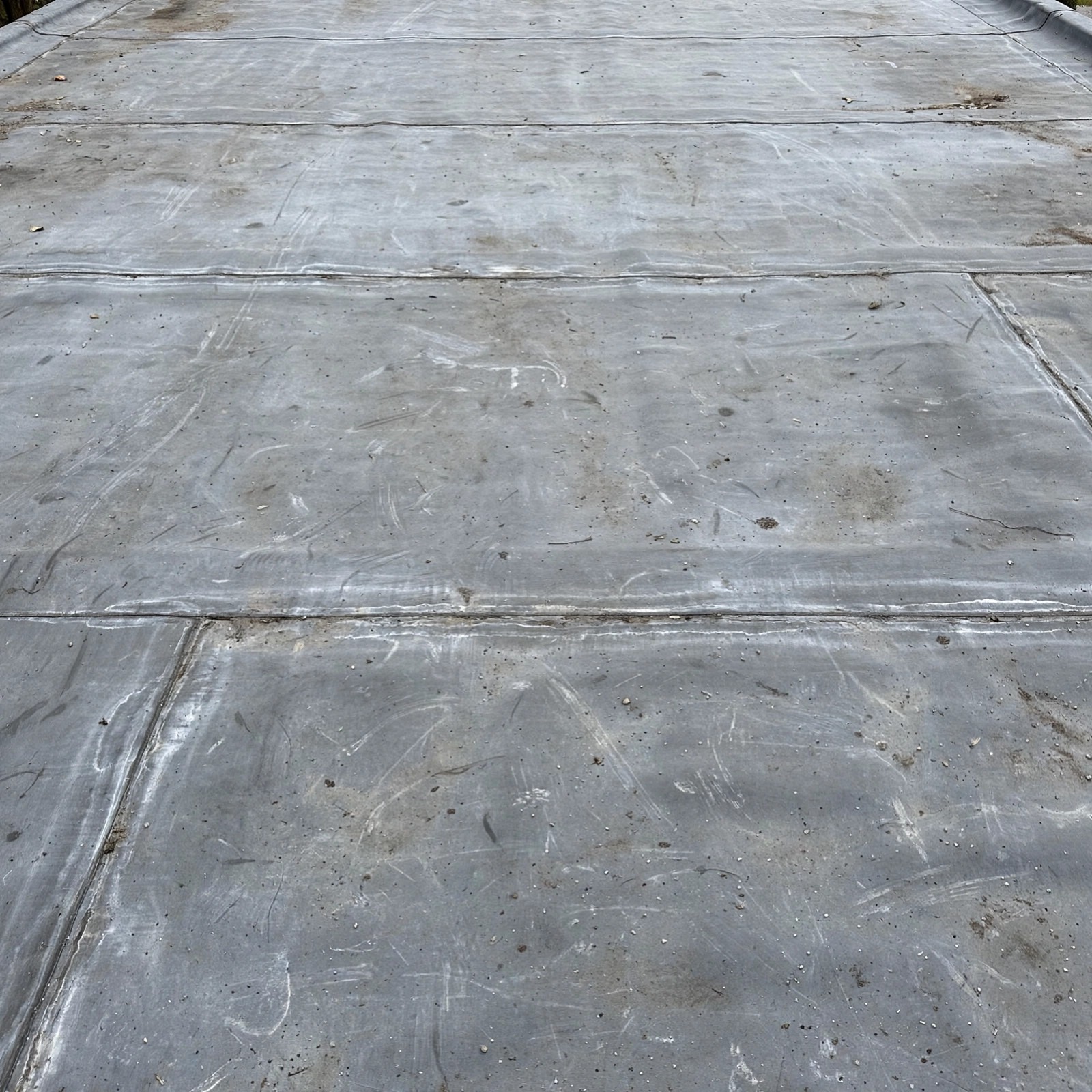
Scan the Roof
Field, seams, and details are inspected, moisture is scanned, and cores are cut where readings are in doubt.
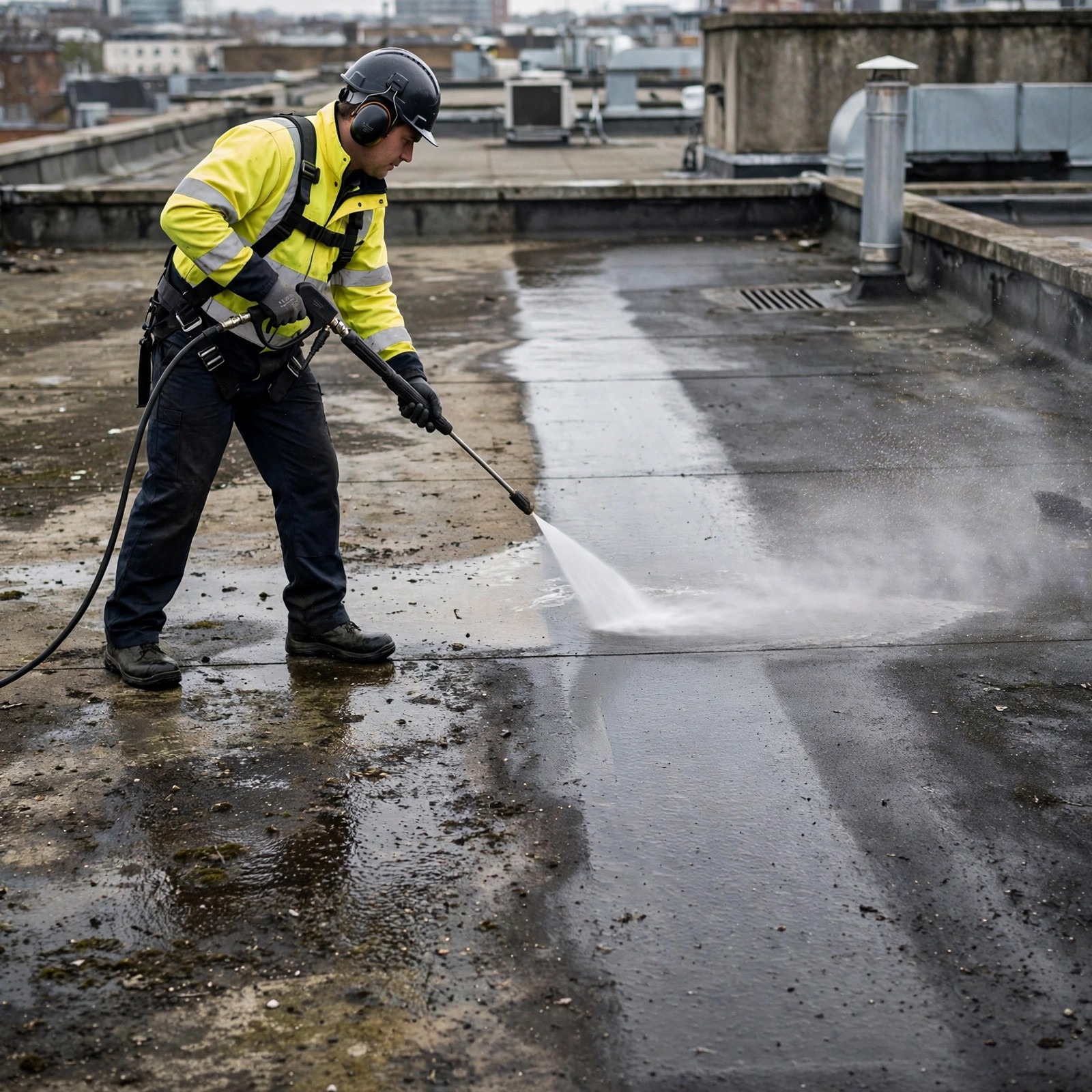
Repair and Prep
Seams, fasteners, and details are repaired, then the surface is cleaned and primed for adhesion.
Price It in Writing
One written price covers repairs, prep, coating at full thickness, and details: the whole job, up front.
Apply the System
Base and top coats go down at specified thickness, details are sealed in, and the finished field is walked and checked.
The honest fine print
What Roof Coatings & Restoration Cannot Do
A coating is a new skin, not a new skeleton. Knowing the difference is what separates a restoration from an expensive coat of paint.
Coatings cannot dry out wet insulation, rebuild failed plies, or add slope to a roof that ponds by design. Applied too thin, they fail early; applied over a dirty or incompatible surface, they peel. That is why thickness, prep, and compatibility are written into the quote: the three numbers and steps that decide whether the restoration lasts. On a qualified roof, though, those same steps buy a decade or more of service at a fraction of replacement, with the building never opened up.
Ask any bidder, us included, for the coating type, total mils, and prep list in writing. Vague answers predict short roofs. Call 469-340-0838 and ask us first.
Where we work
Roof Restoration Across North Texas
From our Denton office, JBN Roofing of Texas restores commercial roofs across the northern Dallas-Fort Worth area. Silicone over the ponding warehouses, acrylic across the sun-beaten retail roofs, urethane where traffic is brutal: each property gets the chemistry its own surface argues for.
Own or manage a property outside that area? Call 469-340-0838 and ask. If we cannot serve the building well, we will tell you plainly.
What a Restoration Quote Names
- The coating chemistry: silicone, acrylic, or urethane
- Total system thickness in mils
- Repair scope listed separately
- Cleaning and primer steps
- Seam and fastener treatment
- One written price for the whole job
Straight answers
Roof Coatings & Restoration FAQs
What is the difference between a roof coating and a restoration?
A coating by itself is one product applied to a surface. A restoration is the full process around it: inspection and moisture scanning, repairs to seams and details, cleaning and priming, then the coating system applied at full thickness. Roof Coatings & Restoration done properly is the whole sequence, because a coating over unrepaired seams and a dirty surface is where restorations go to fail.
How much life does a restoration add?
On a qualified roof, a properly applied system commonly adds ten years or more of service, and the surface can be recoated later to extend it again. The exact figure rides on the coating chemistry, the thickness applied, and the condition of the roof underneath, which is why quotes should name all three instead of promising a number in the abstract.
Which coating is right for my roof?
Silicone where water ponds and sun is brutal, acrylic where the roof drains well and reflective value matters most, urethane where traffic and impact are the daily reality. The existing surface matters too: compatibility with what is already down decides half the menu before preferences get a vote. The inspection names the fitting chemistry and says why.
Can any old roof be restored?
No, and any contractor who says yes to all of them is selling. A roof with wet insulation, failed plies, or a membrane at the end of its structural life needs replacement, because coating seals in whatever is underneath. Candidacy is decided by inspection, moisture scan, and core cuts, and we show the readings when the answer is no.
Is restoration really cheaper than replacement?
Substantially, on a qualified roof. There is no tear-off, no disposal, no new insulation or deck work, and the building stays closed and operating throughout. The honest comparison is cost per year of added service, and the written quote puts restoration and replacement side by side when both are real options.
How long does a restoration take?
Days, not weeks, for most commercial roofs: prep and repairs first, then the coating passes, with the building in normal use the whole time. Weather windows matter because coatings need dry surfaces to cure, and the schedule in the quote accounts for that instead of promising around it.
Silicone · Acrylic · Urethane
Your Old Roof May Have a Second Career
A scan reads the roof, the recommendation names the chemistry and thickness, and the price arrives in writing. That is the whole process, and it starts with a call.