
JBN Roofing of Texas · A Division of The JBN Group, Inc.
TPO Roofing
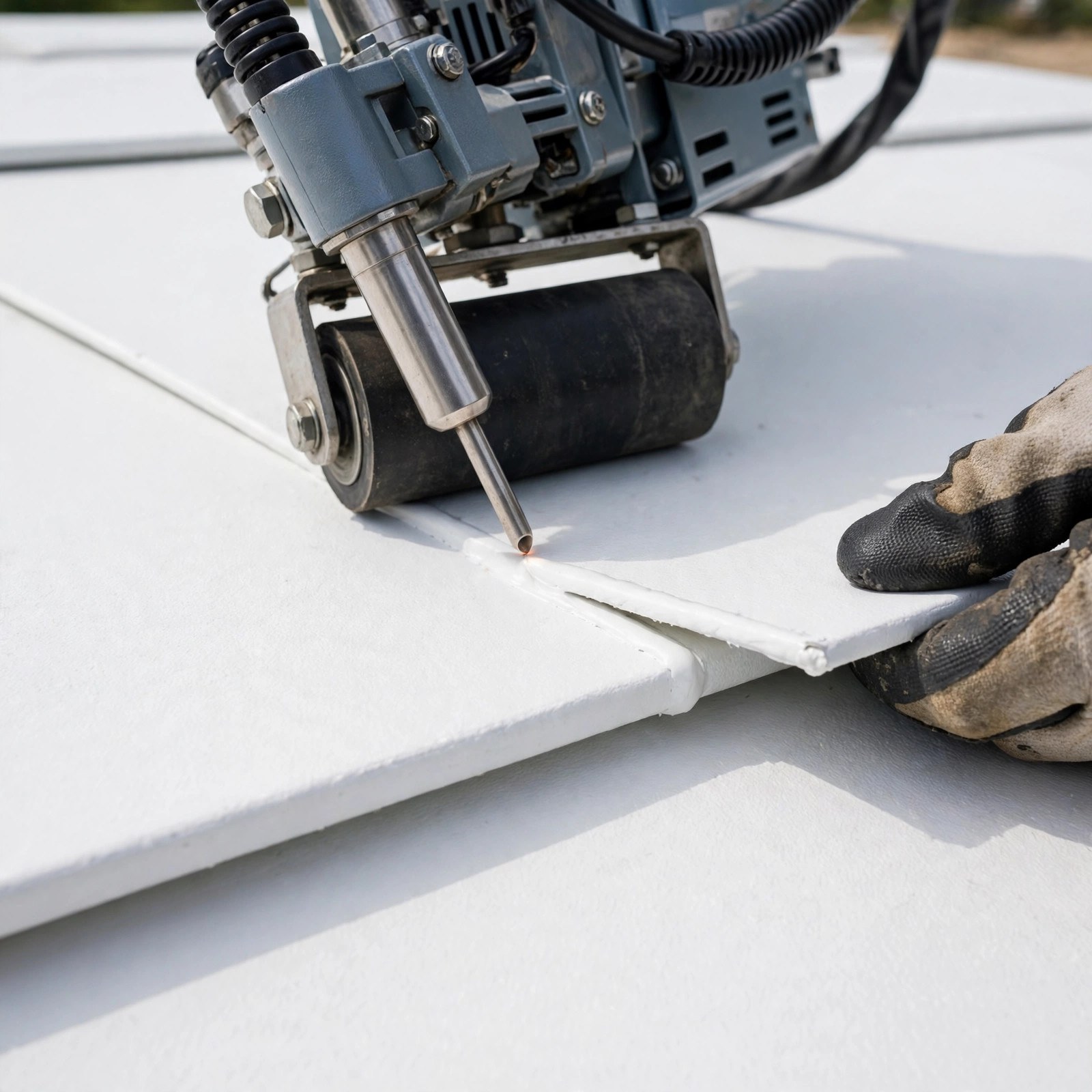
Welded seams. Probed one by one.
TPO roofing is a single-ply thermoplastic system whose seams are fused with hot air, not glued, and a weld is only as good as its proof. JBN Roofing of Texas probes every seam it installs, matches insulation to the deck below, and prices the whole system once, in writing, before a roll is opened. Start with the call: call 469-340-0838.
The single-ply question
TPO Roofing Stands or Falls on Its Seams
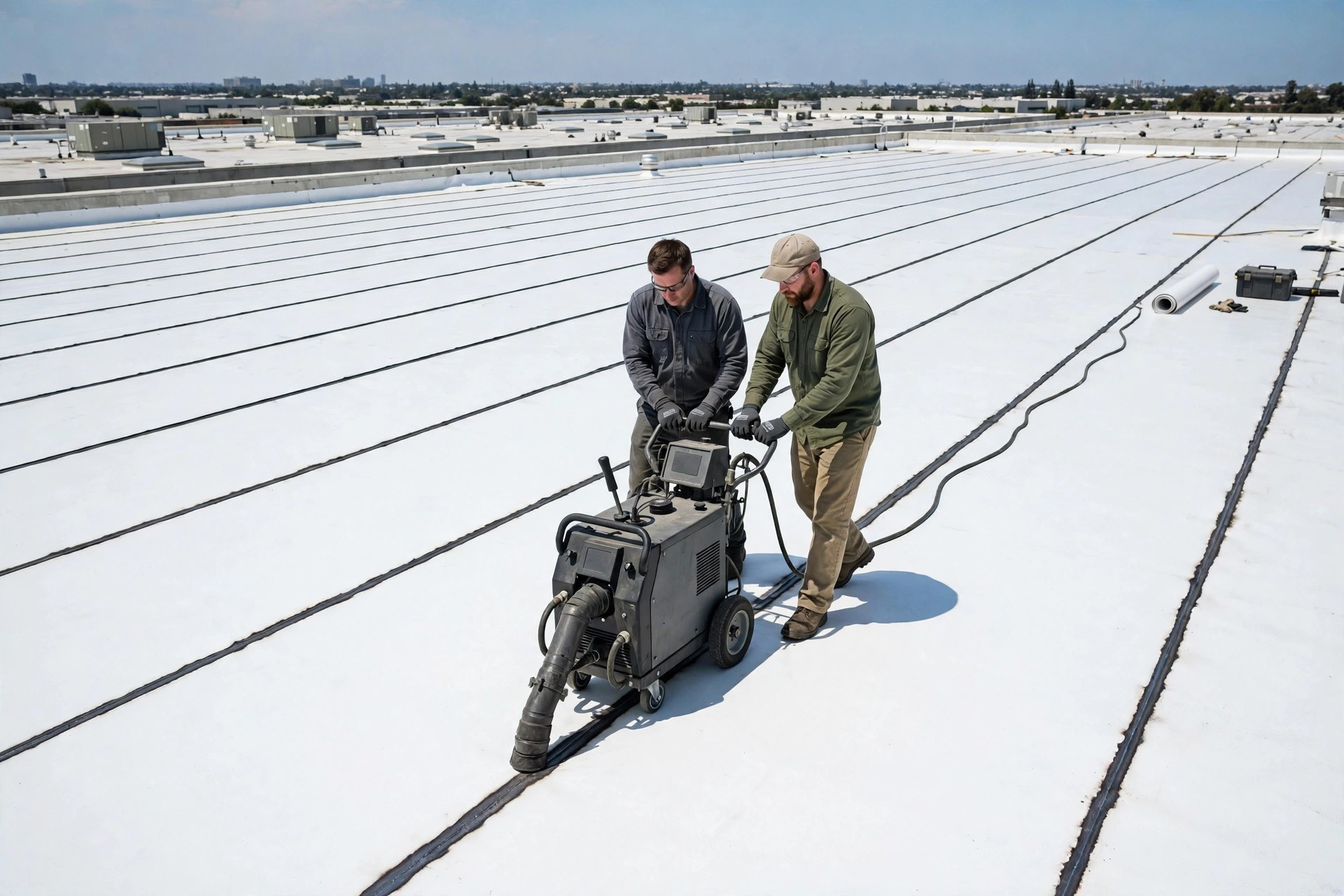
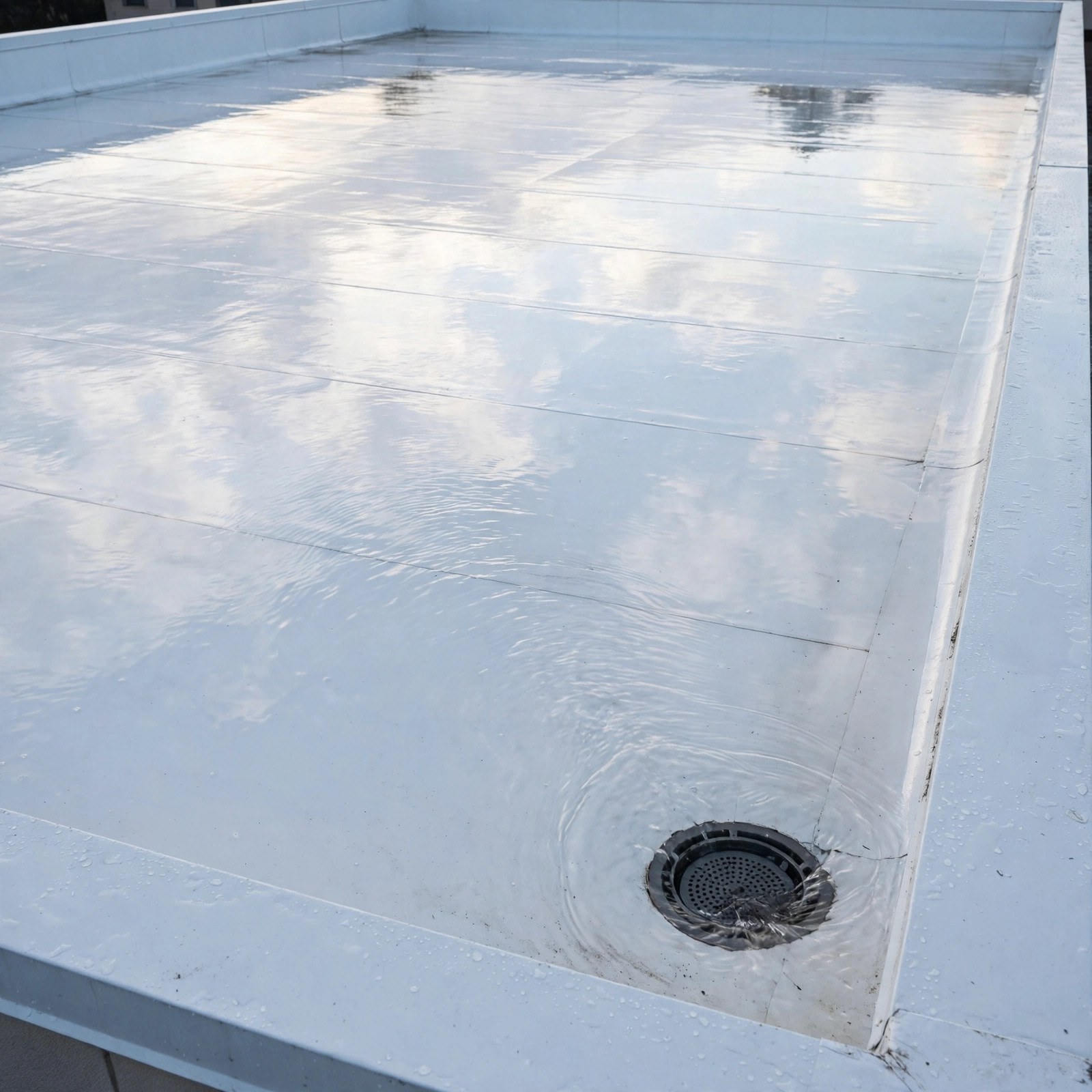
A TPO roof is a sheet system: wide rolls of white thermoplastic membrane laid over insulation, joined at overlaps. The field of the sheet rarely fails. The seams, edges, and penetrations are where single-ply roofs live or die.
Those seams are hot-air welded, the two sheets fused into one piece of material. Done right, the joint is stronger than the sheet around it. Done cold or dirty, it only looks closed, and the first hard rain finds the truth.
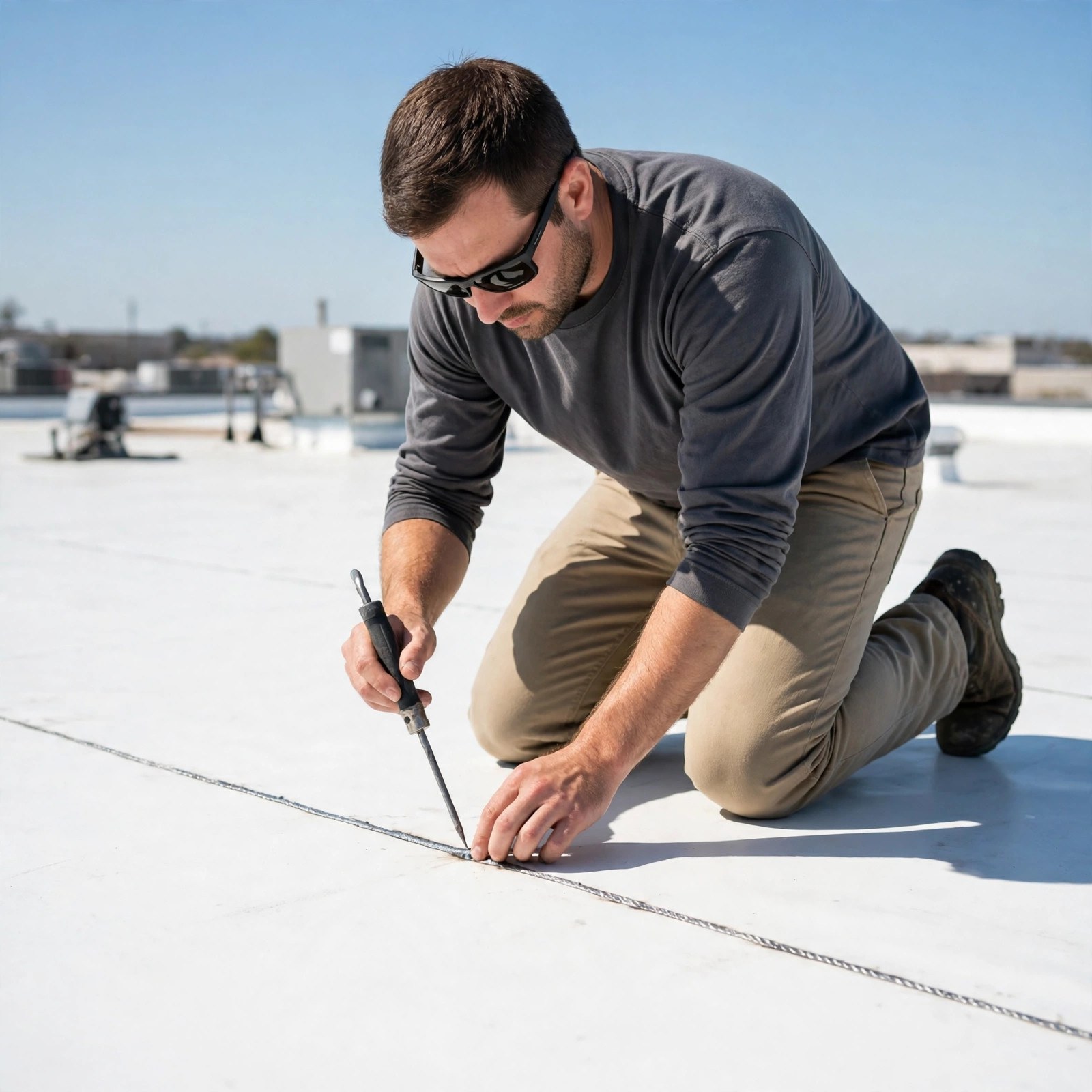
So every weld here is probed after it cools, edge to edge, and any section that lifts gets cut out and redone before the roof is signed off as finished.
Planning a TPO roof? Call 469-340-0838 and get the system drawn in writing.
Roofing services
TPO Roofing Sits Inside the Whole Commercial Line.
These pages cover the services a TPO project draws on.
How a TPO roof goes on
The Six Steps of a TPO Roofing Installation
A TPO build runs in this order, deck first and proof last.
Read the Deck
The existing deck and any wet material under the old roof are checked first, because a new membrane over a failed deck inherits the failure.
Set the Insulation
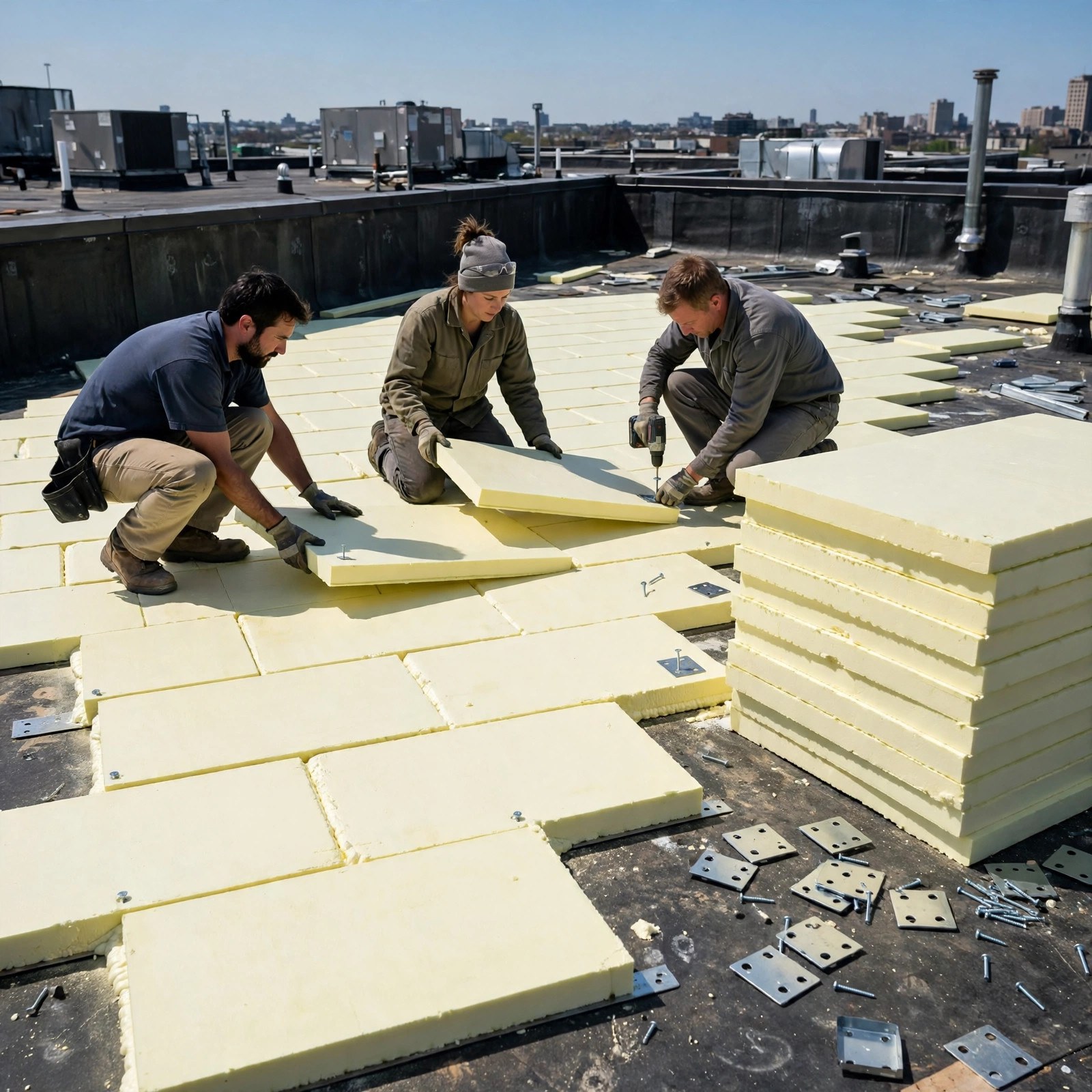
Insulation boards are matched to the deck and the building's use, laid tight, and fastened or adhered to the pattern the wind load calls for.
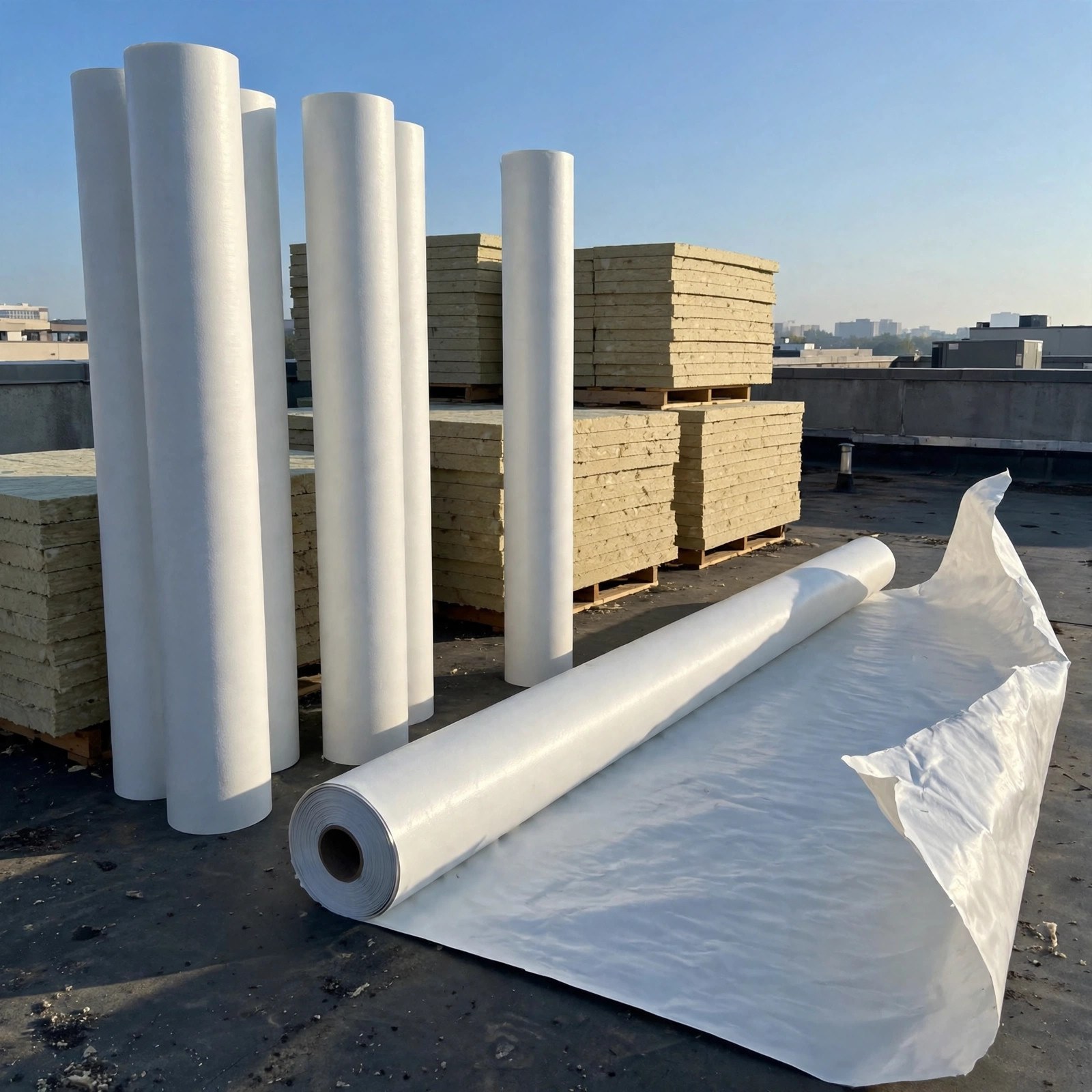
Roll and Fasten the Membrane
Sheets are rolled out square, seams overlapped to spec, and the field fastened so the membrane stays put in the winds a North Texas roof actually gets.
Weld the Seams
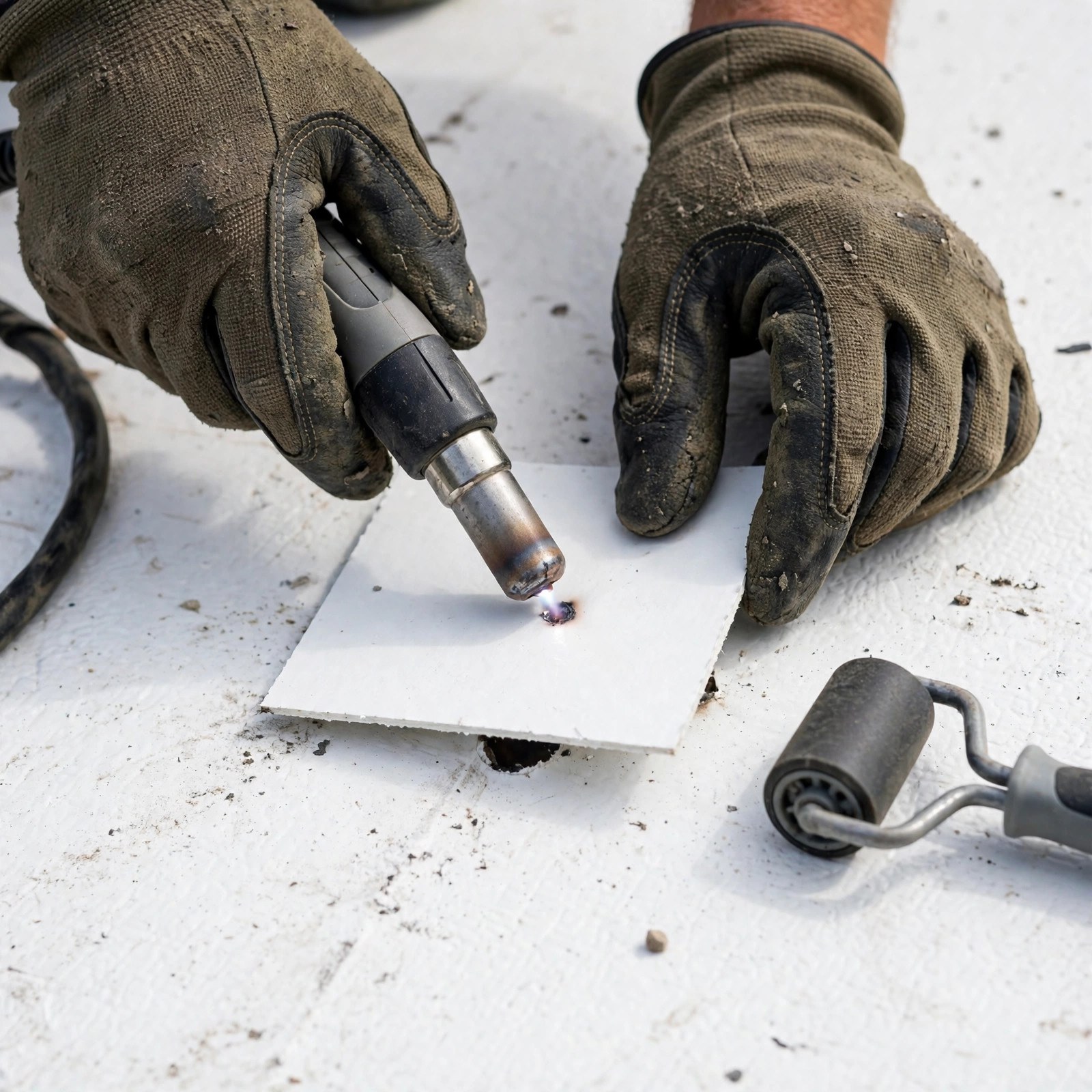
Overlaps are fused with hot air at a temperature matched to the day and the material, by a welder whose test welds are pulled apart and checked first.
Flash Every Penetration
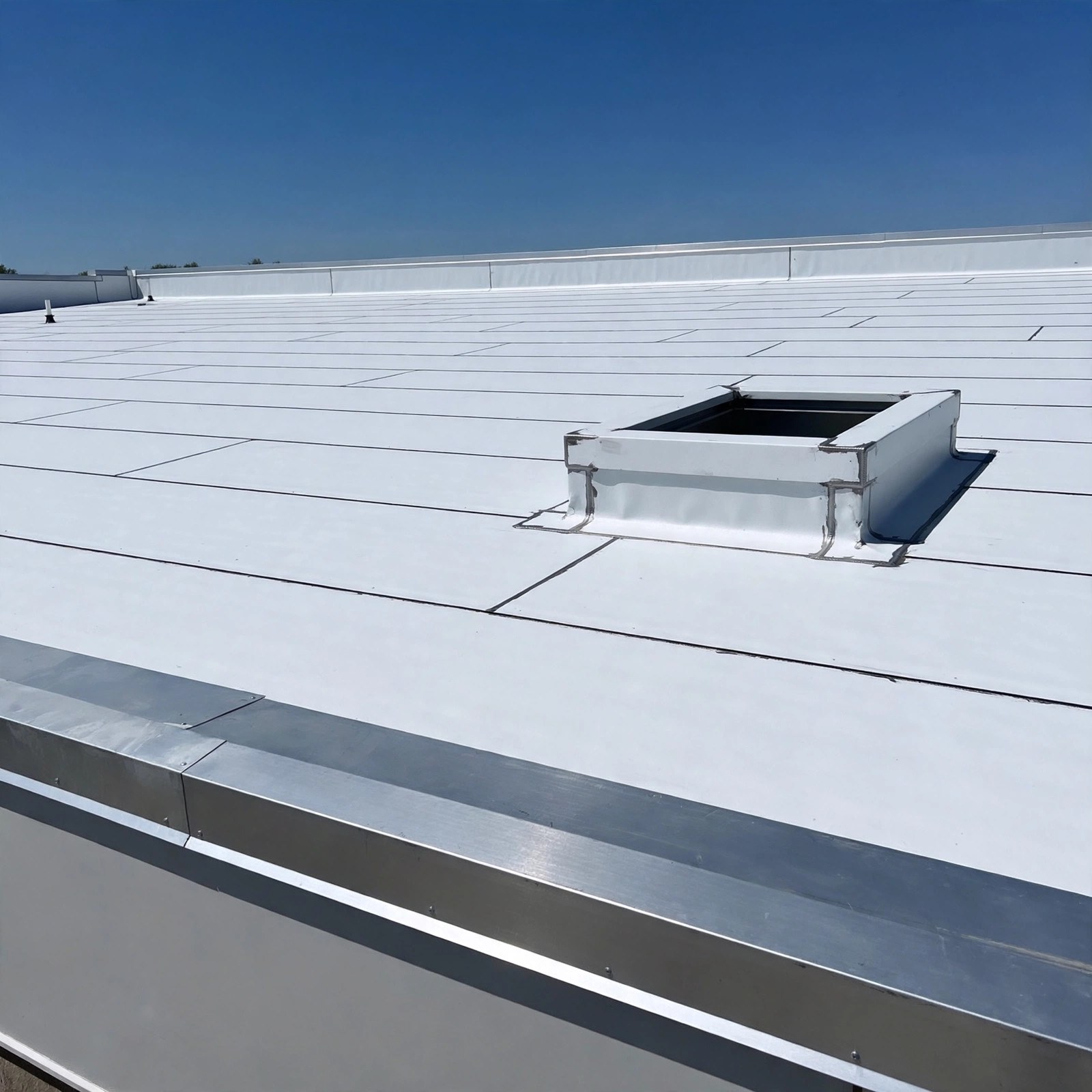
Pipes, curbs, and drains get formed TPO flashings welded into the field, not sealant smeared over a gap and called finished.
Probe and Walk the Roof
Every seam is probed along its length, repairs are welded in where the probe lifts an edge, and the finished roof is walked end to end before handover.
The repair question
TPO Repairs Weld In, They Do Not Glue On
A puncture or a failed detail on a TPO roof is fixed with TPO: a patch of the same membrane, welded over the damage with margins on every side, then probed like any other seam.
What does not belong on this membrane is a bucket of generic mastic. Coatings and mastics made for other systems can attack the sheet, and a smear that hides a puncture this season becomes a split the next.
Matching material matters with age as well: older TPO welds differently than new rolls, and a repair visit starts by testing how the existing sheet takes a weld before any patch is promised.
- Patches in matching membrane
- Weldability tested on aged sheets
- No foreign mastics on TPO
- Every patch probed after welding
The company
JBN Roofing of Texas, a Division of The JBN Group, Inc.
The JBN Group, Inc. is a family-owned general contracting company based at 125 Old Alton Drive in Denton since 1996. Its roofing division, JBN Roofing of Texas in Suite 8, installs and repairs TPO roofing on commercial buildings across North Texas. The company carries an A+ Better Business Bureau rating and is fully insured. The roofing line is 469-340-0838 or sales@jbnroofingoftexas.com.
The honest fine print
What TPO Roofing Cannot Promise
TPO is a strong system with real limits, and two of them get stated before the contract, not after the first problem.
Thickness first: membrane comes in different thicknesses, and the thinner sheet costs less because there is less of it. The quote names the exact membrane being installed, so the comparison between bids is sheet against sheet, not brand against brand.
Ponding second: like every low-slope roof, TPO is hurt by water that stands for days. The system is laid to drain, and where the deck itself holds water, that gets said plainly and priced as its own fix instead of being membrane-blamed later.
- Exact membrane named in the quote
- Test welds pulled and checked
- Standing water named, not hidden
- Repairs in matching material
Read the Deck
Deck condition and wet material are checked before anything new goes down.
Build the System
Insulation, membrane, and fastening go on as one drawn system.
Weld and Flash
Seams are fused with hot air and penetrations flashed in welded TPO.
Probe and Prove
Every seam is probe-tested and the finished roof walked at handover.
The honest fine print
The comparison question
Reading a TPO Quote Sheet by Sheet
Two TPO bids can describe the same roof and be different products: different membrane thickness, different insulation, different fastening, different flashing detail. The written scope here names each layer, so a building owner can set bids side by side and see where a lower number came from. When the layers match, the comparison is fair; when they do not, the cheaper roof is usually just a thinner one.
Comparing TPO bids? Call 469-340-0838 and get the layers named in writing.
Where we work
TPO Roofing Across North Texas
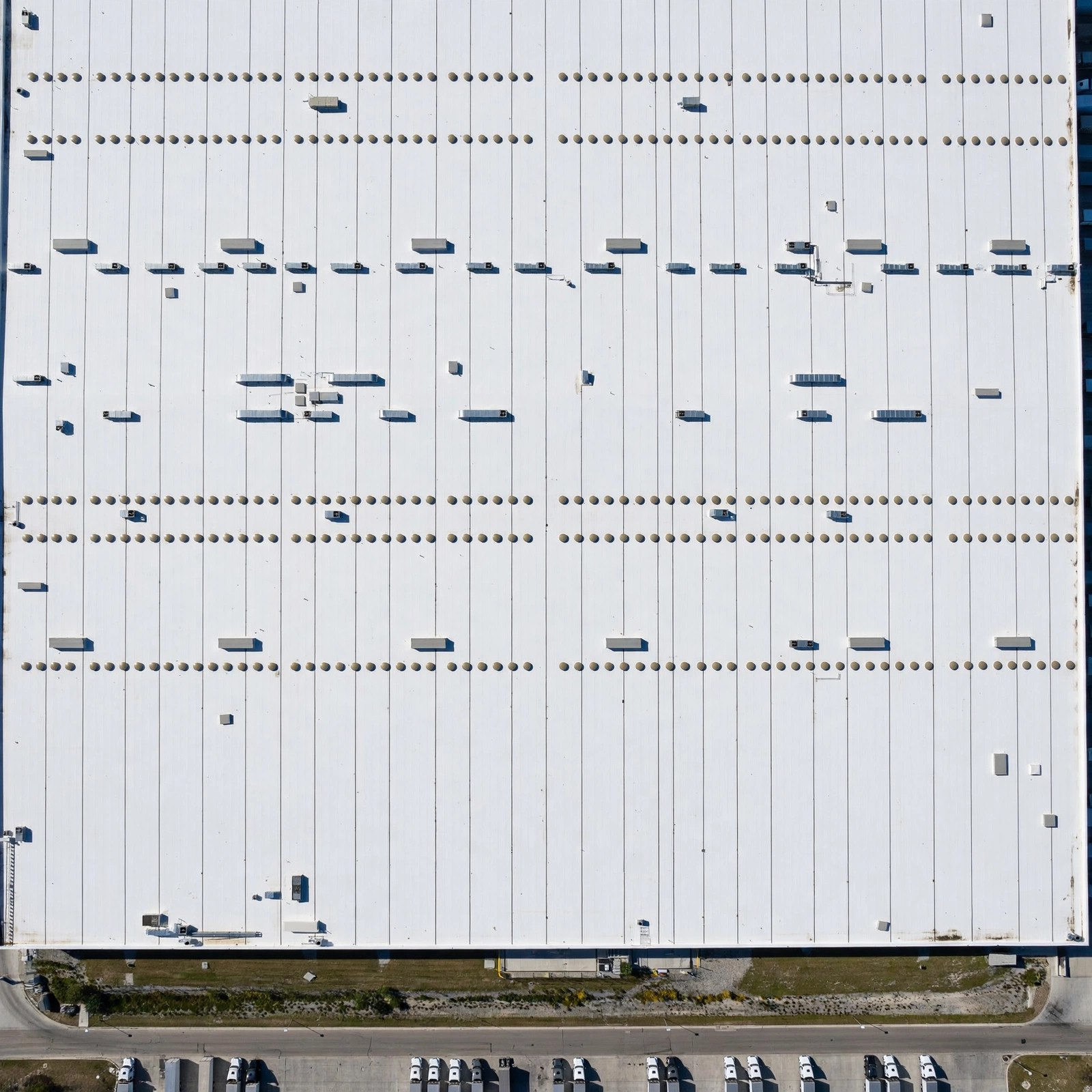
From Suite 8 in Denton, JBN Roofing of Texas installs and repairs TPO roofs on warehouses, retail centers, offices, and industrial buildings across the northern Dallas-Fort Worth corridor.
Your building outside that area? Call 469-340-0838 and ask. If we cannot take it on properly, we will tell you plainly.
What the TPO Scope Includes
- Deck and insulation check
- Membrane thickness named
- Hot-air welded seams
- Probe test on every seam
- Walked and verified at handover
Straight answers
TPO Roofing FAQs
What is TPO roofing made of?
TPO is a thermoplastic single-ply membrane, a flexible sheet rolled out over insulation on low-slope commercial roofs. Its seams are not glued or taped; they are fused with hot air into a single continuous surface, which is why seam quality decides how the roof performs.
How long does a TPO roof last?
Service life depends on the membrane thickness installed, how the seams and flashings were done, and whether the roof is maintained. Rather than promise a number of years, the scope names the exact membrane going on your building, and the seams are probed and proven at handover.
Can a TPO roof be repaired, or does damage mean replacement?
Most damage is repairable. Punctures and failed details are cut out and patched with matching TPO membrane, welded in and probed. Replacement enters the conversation when damage is widespread or the sheet has aged past reliable welding, and that call is made from test welds on your roof, not from its birthday.
Why does membrane thickness matter?
Thickness is the wear layer. A thicker sheet carries more material against foot traffic, hail, and years of sun, and it welds and patches more forgivingly as it ages. Bids should name the thickness; a quote that hides it is asking to be compared on price alone.
What does TPO roofing cost?
It is priced as a system, once, in writing: deck condition, insulation, membrane thickness, fastening, and flashing detail all move the number. A square-foot price quoted before the deck is read and the layers are named would leave out exactly the items that decide what the roof is worth.
Does a white TPO roof really run cooler?
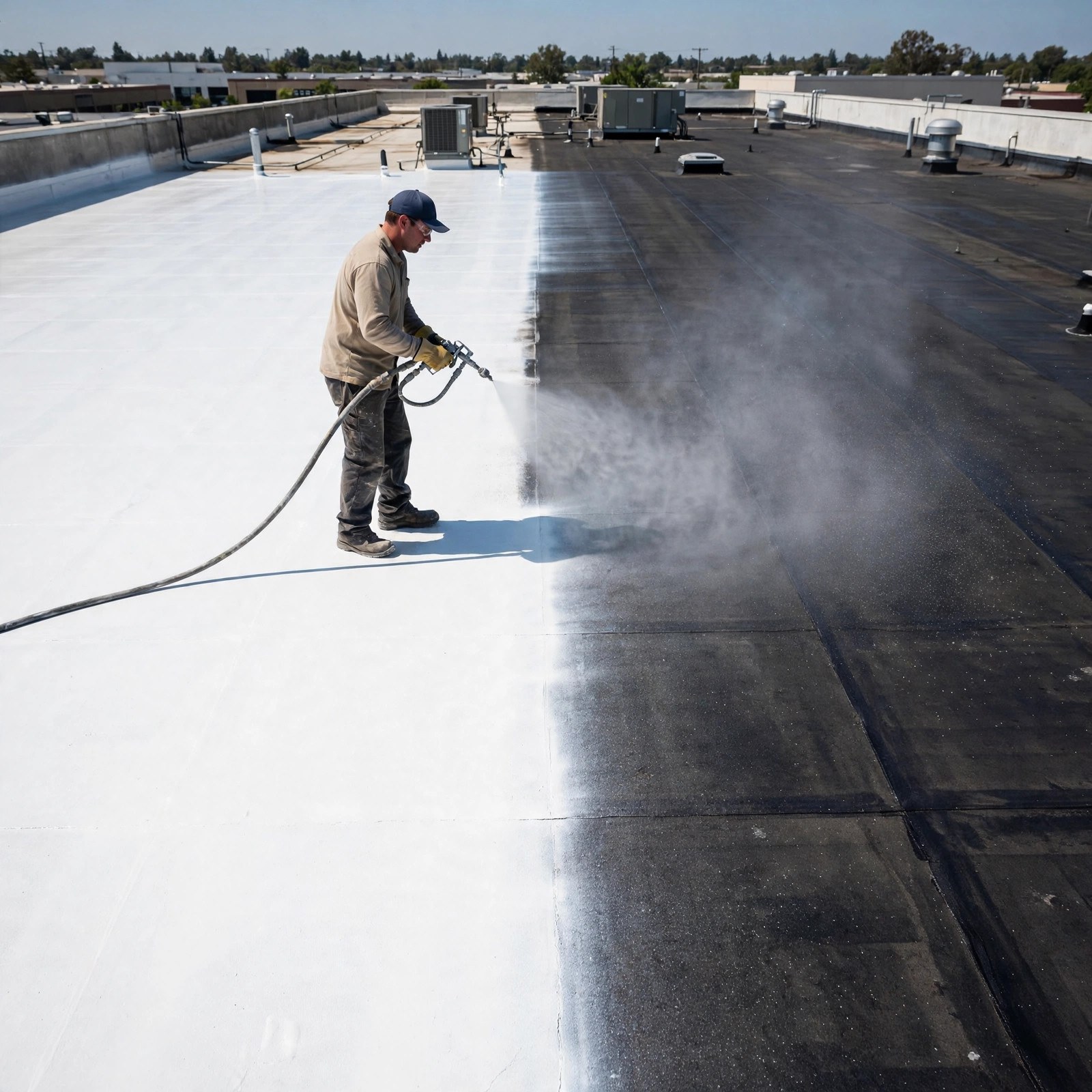
The white surface reflects sunlight instead of soaking it up the way dark roofing does, so the roof surface and the building under it run cooler in summer. How much that saves depends on the building and its insulation, so no savings figure is promised; the reflectivity itself is simply how the material behaves.
Welded · Probed · Proven
Seams You Can Prove, Not Just See.
One call gets the deck read, the layers named, and the whole TPO system priced in writing.