
JBN Roofing of Texas · A Division of The JBN Group, Inc.
Routine Inspection
From the ground, every roof looks fine. Up close, on a schedule, is where the truth lives.
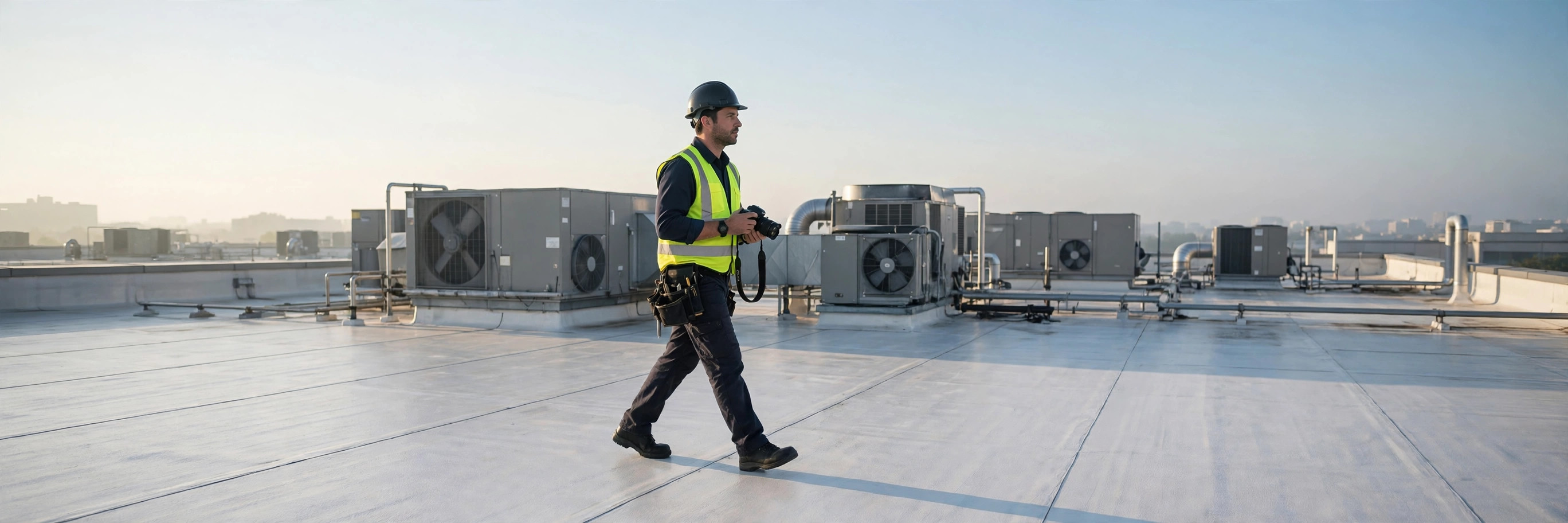
A Routine Inspection exists because a roof can look perfectly fine from the parking lot while real concerns are developing where nobody down there can see them: around the flashing, at the vents and pipes, along the seams and valleys, and inside the drains. A scheduled close read catches those small stories while they are still small, and turns a vague sense that the roof is probably okay into a documented condition, with photos, findings, and a short list of what needs doing and what can wait. JBN Roofing of Texas runs routine inspections on commercial roofs across North Texas, on a rhythm matched to each building. To get your roof read up close, call the Denton team at 469-340-0838.
The ground-view problem
A Routine Inspection Sees What the Sidewalk Cannot
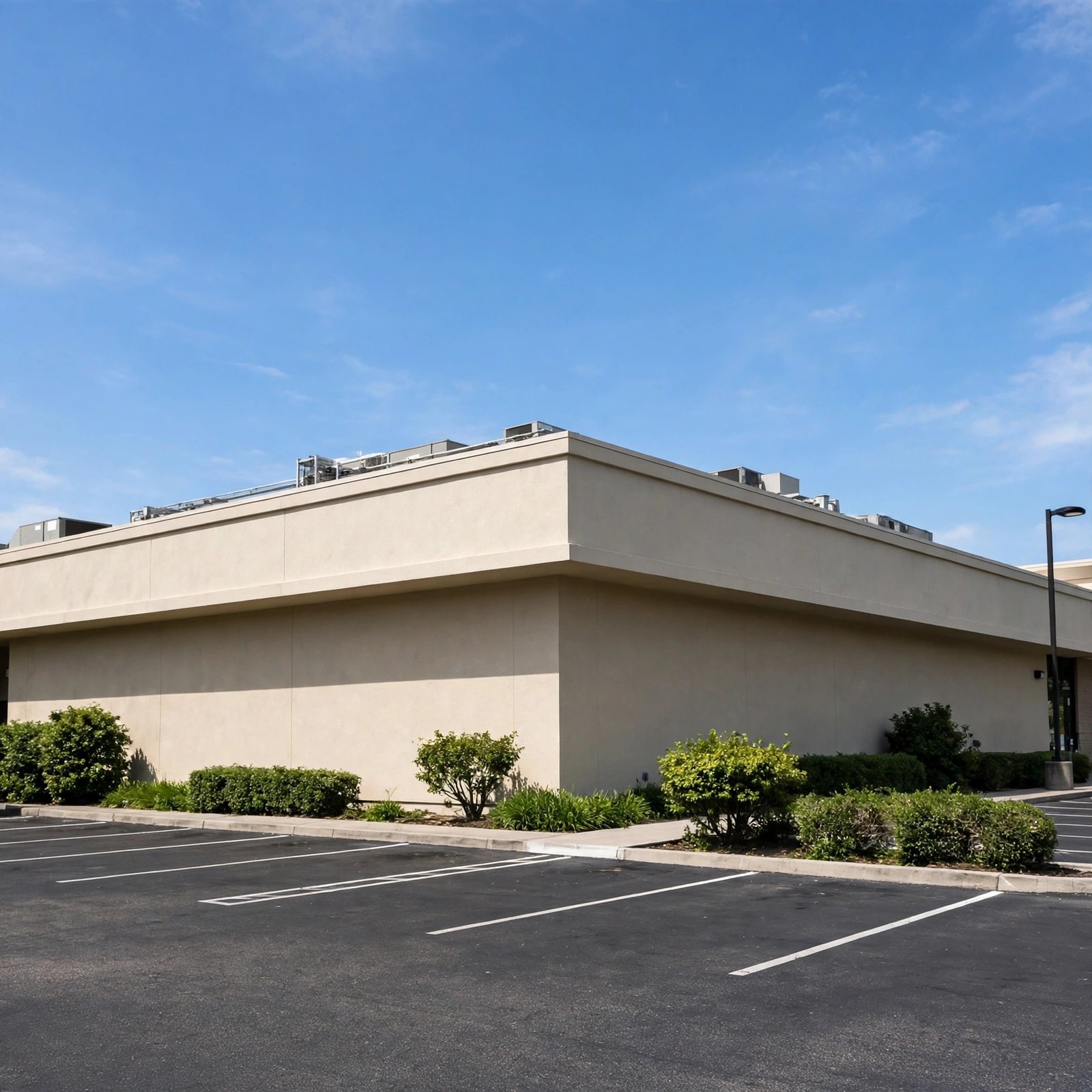
Count the things a ground view hides: a seam lifting at its edge, sealant cracked at a vent, a drain quietly filling with leaves, ponding that only shows two days after rain.
None of those announce themselves from below, and all of them are exactly how commercial roofs start to fail. The routine read puts an inspector's hands and eyes on the roof's working parts: seams are probed, flashing is flexed, penetrations are checked at their seals, drainage is opened and cleared, and the surface is read for the wear patterns that predict the next few years. What shows up is photographed, so the owner sees the same roof the inspector saw.
The result is not a sales document. It is a condition report: what is sound, what is starting, what needs a fix, and what the fix costs in writing.
When was your roof last read at arm's length? Call 469-340-0838 and schedule the read.
Roofing services
Services Around the Inspection
The inspection is the read; these are the responses it calls for, from the deeper diagnostic to the visits that keep findings from coming back. Here is the family it belongs to.

Where trouble starts
The Six Places a Routine Inspection Looks First
Roofs fail at details long before they fail in the open. These are the six addresses where the inspector's hands go first.
Flashing
Metal and membrane flashing guard every turn the roof makes: walls, curbs, edges, and steps. It loosens, cracks at its sealant, and rusts quietly. The inspection flexes it, reads its fasteners, and checks the seals that are supposed to keep the turns watertight.
Vents and Pipes
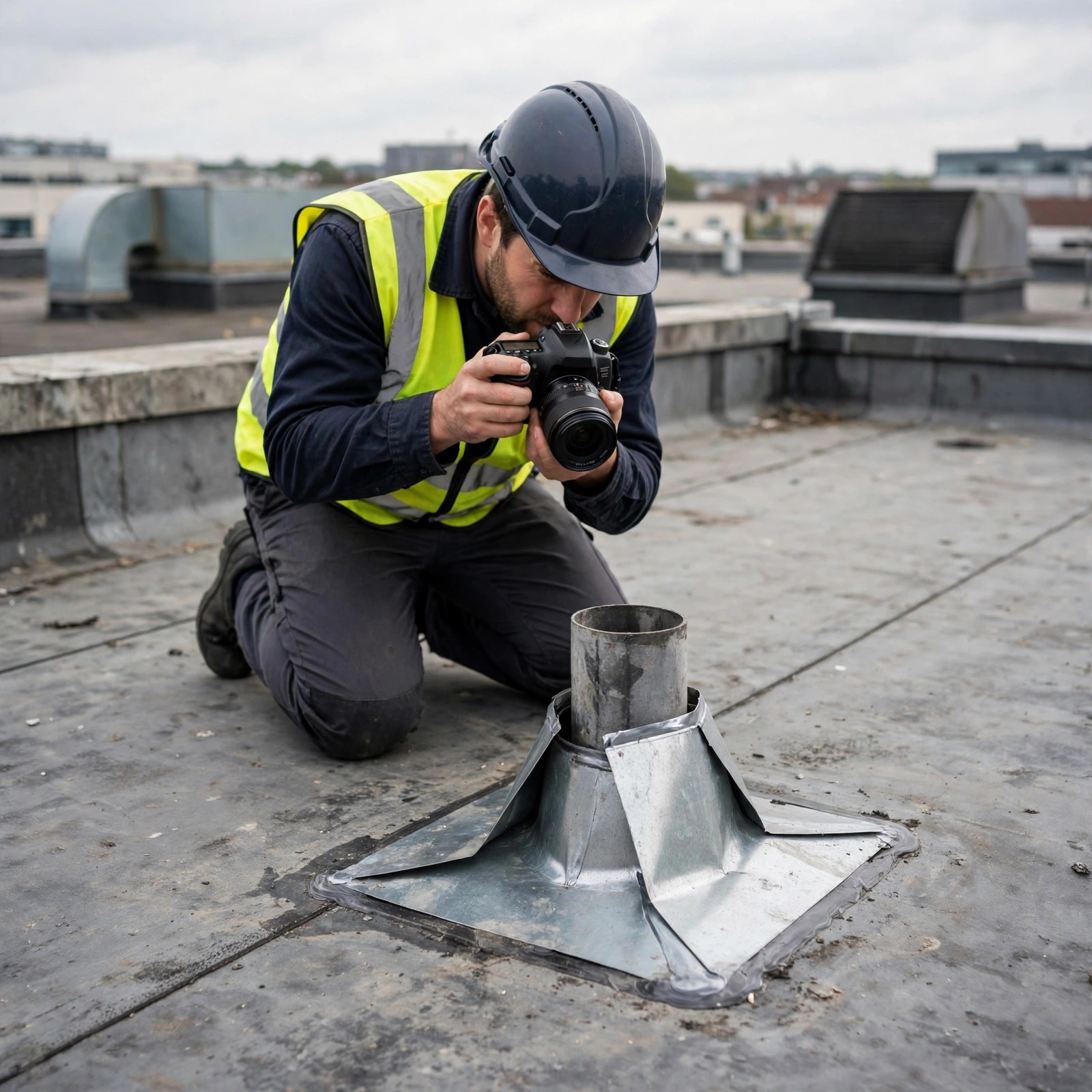
Every penetration wears a boot or a seal, and sun and heat cycles dry those seals into cracks. A vent boot can look whole from ten feet away and be split at its base. Up close, it is a ten-second check and, when it fails, a small fix.
Seams and Valleys
Seams carry the roof's joints and valleys carry its water: both earn a probe, not a glance. Laps are tested for lift, valleys are read for wear and debris dams, and transitions are checked where two surfaces meet and movement concentrates.
Drainage
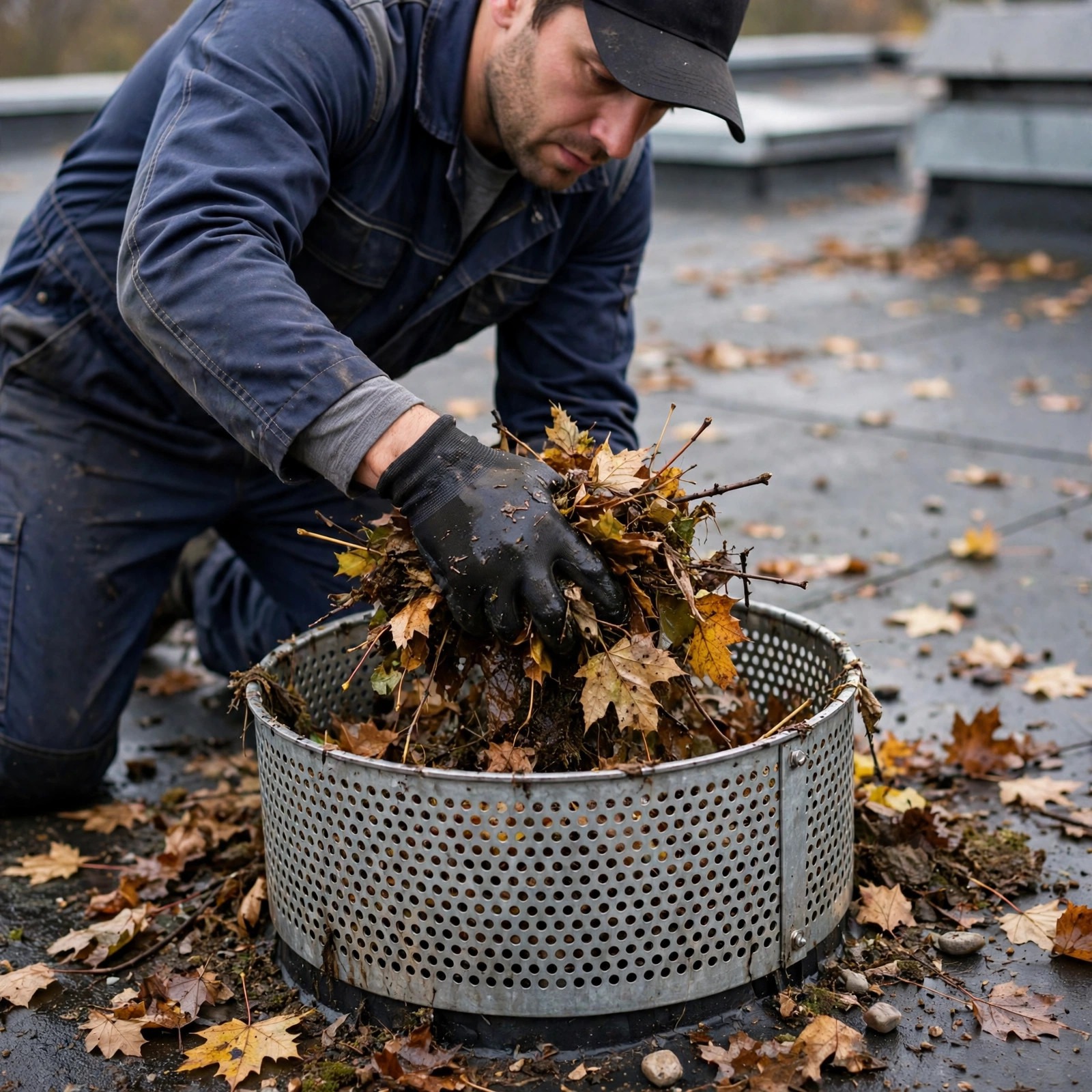
Drains, scuppers, and gutters are opened and cleared, and the field is read for ponding marks that show where water sits after rain. Standing water is patient and heavy; the drainage check is the cheapest insurance on the checklist.
The Surface
The field itself is read for blistering, cracking, punctures, granule loss, and traffic wear. Surface findings map the roof's age honestly: where it is spending its life, and how much of it realistically remains.
The Paper Trail
Findings go into a written report with photos: sound items, watch items, and needed fixes ranked by urgency and priced. Routine Inspection builds that file visit after visit, so the roof's story is documented, not remembered.
The rhythm
How Often a Routine Inspection Should Happen
Twice a year for most commercial roofs: once before the storm season, once after the summer has had its say.
Spring reads what winter and early storms did and readies the details for hail season. Fall reads the heat's damage, clears the year's debris, and seals the roof's weak points before the wet months. Newer roofs in gentle conditions sometimes run annual; older roofs, tree-covered roofs, and roofs with known ponding earn the twice-yearly rhythm or more. The schedule follows the roof's own evidence, and the first visit is what gathers it.
Between routine visits, a major storm earns an extra read on its own: the baseline file makes storm findings easy to prove.
- Spring read before storm season
- Fall read after summer heat
- Extra reads after major hail or wind
- Rhythm adjusted to the roof's own evidence
The company
JBN Roofing of Texas, a Division of The JBN Group, Inc.
The JBN Group, Inc. is a family-owned general contracting company based at 125 Old Alton Drive in Denton, Texas, founded in 1996. JBN Roofing of Texas is its roofing division, working from Suite 8 at the same address and serving commercial property owners across North Texas. The group carries an A+ rating with the Better Business Bureau, and the roofing division is fully insured. Office hours run Monday through Thursday 9:00 AM to 5:00 PM, Friday 9:00 AM to 4:00 PM, and Saturday 10:00 AM to 2:00 PM Central. Reach the roofing team at 469-340-0838 or sales@jbnroofingoftexas.com.
Routine versus deep
When a Routine Inspection Calls for the Full Workup
The routine read is eyes and hands. When it finds signs of hidden water or deeper trouble, the next step is instruments.
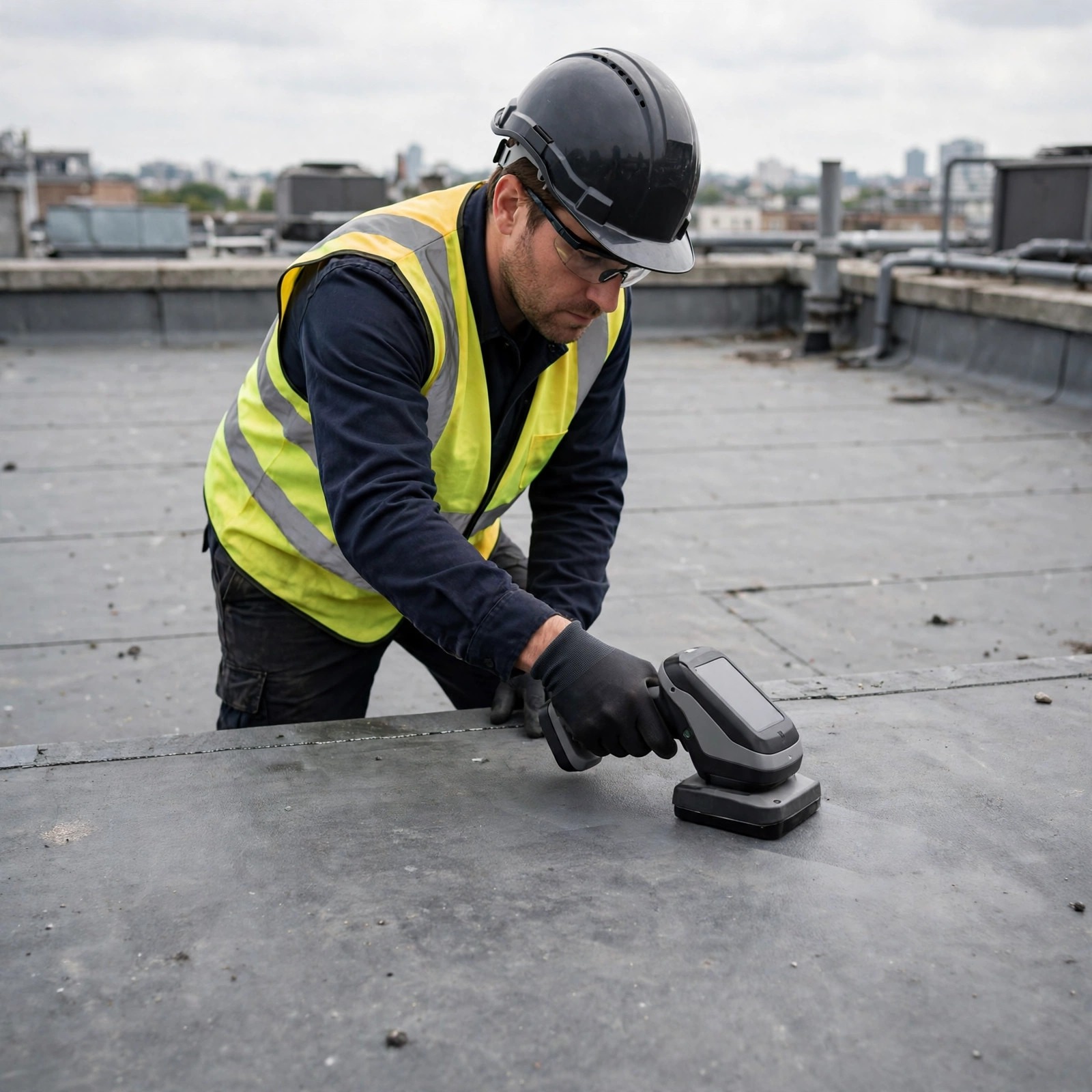
A stain pattern that suggests wet insulation, a field that feels soft underfoot, or bruising after a hail event all graduate the roof to the full Commercial Roof Inspection: moisture scanning, core cuts where readings argue, and a diagnostic report. The routine visit is the tripwire that catches those cases early; without it, hidden water spreads in the dark until the ceiling files the report instead.
Either way, the owner hears the same thing: what was found, what it means, and what it costs in writing.
- Soft spots and stain patterns escalate the read
- Moisture scanning confirms hidden water
- Cores taken only where readings argue
- Diagnostic findings priced the same honest way
Walk and Probe
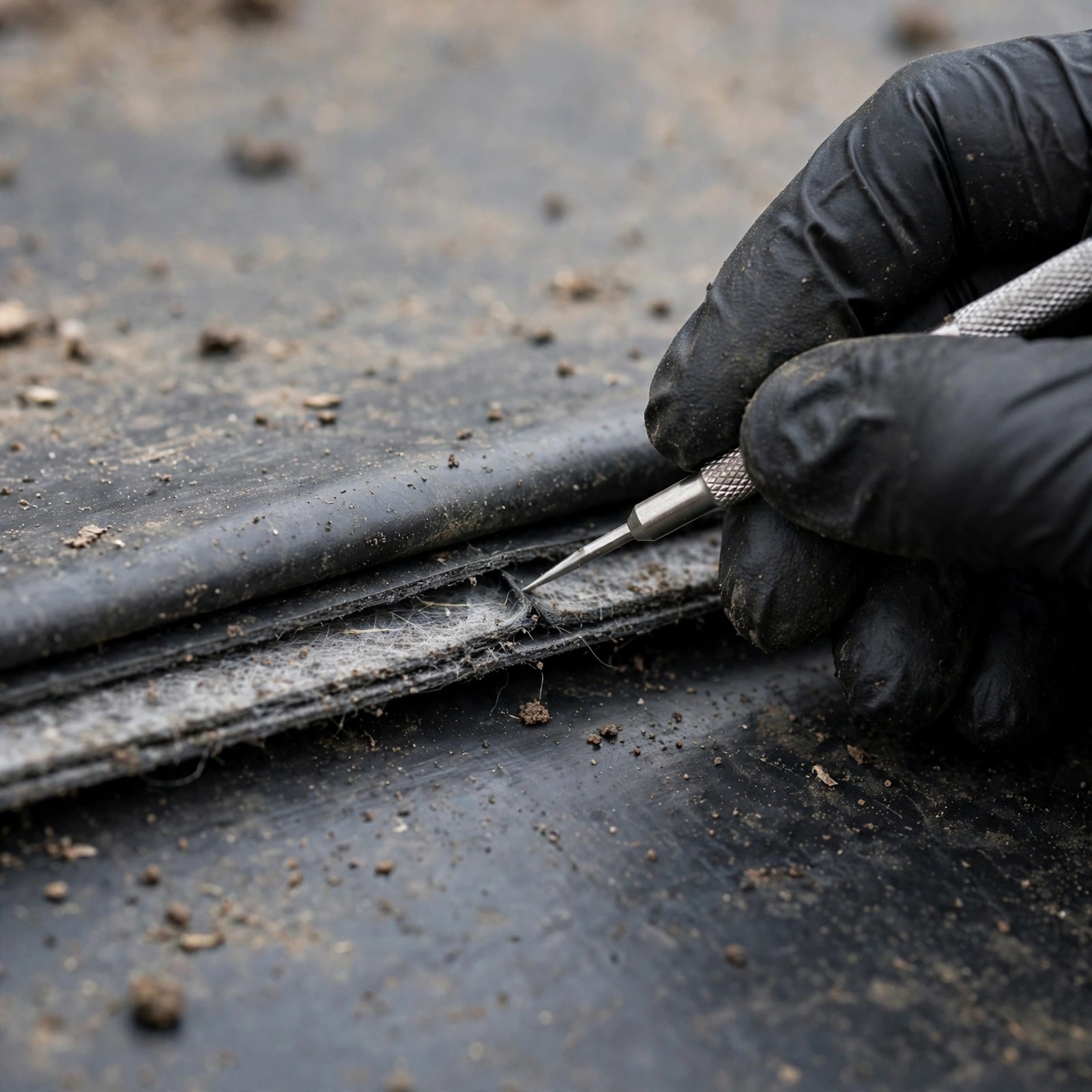
Seams, flashing, vents, valleys, and drainage are checked at arm's length, in a standing order, every visit.
Photograph Findings
Every concern is photographed where it sits, so the report shows the owner the inspector's own view.
Price It in Writing
Fixes the findings call for are priced in writing and ranked: now, soon, or watch.
Fix Small, File the Rest
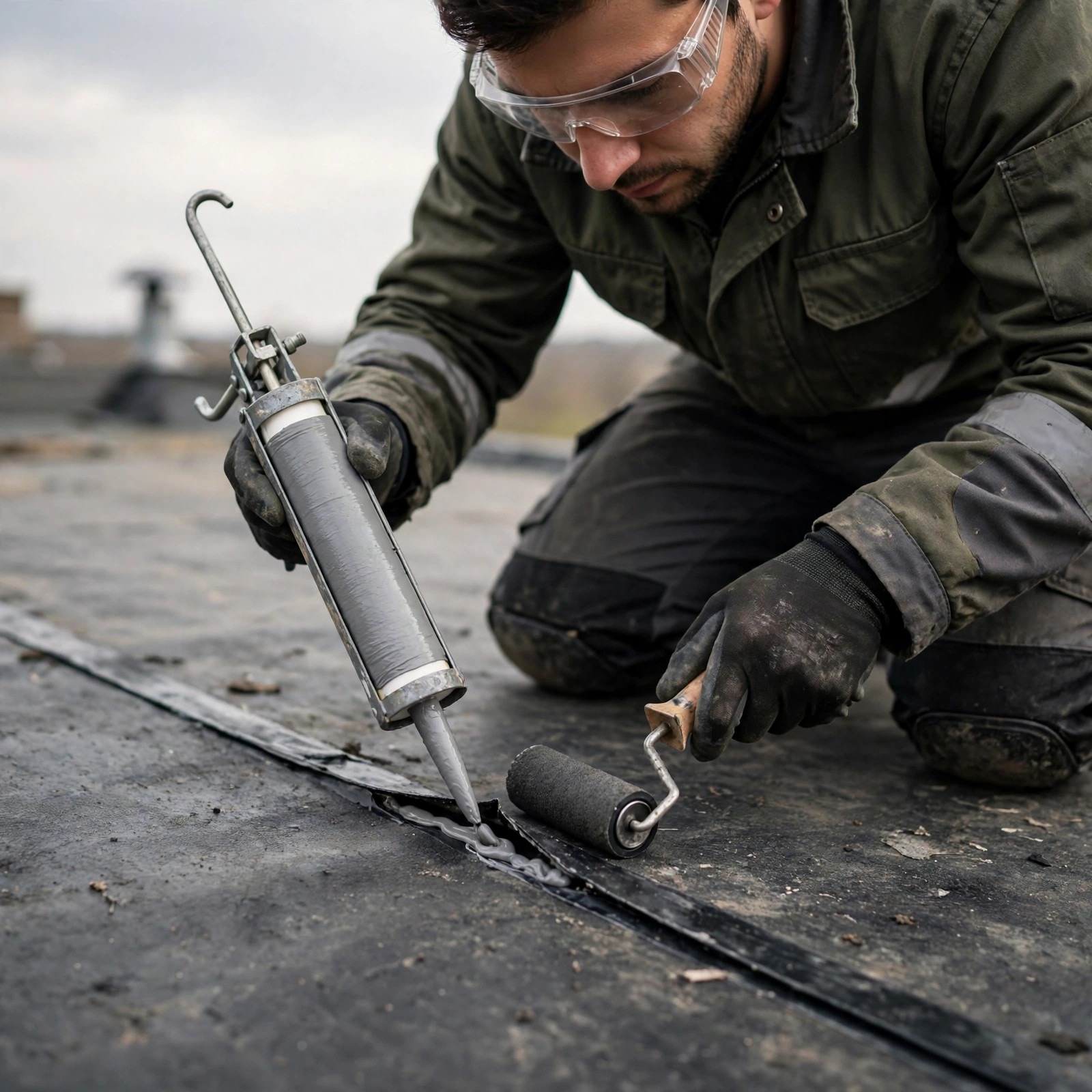
Minor seals and clearing are handled during the visit; everything else joins the roof's documented file.
The honest fine print
What a Routine Inspection Cannot Do
A routine read finds what eyes and hands can reach. It does not see through the membrane, and it does not freeze time between visits.
Moisture already sealed inside the assembly needs scanning instruments to map, which is why suspicious findings escalate to the full inspection rather than getting guessed at. Damage can also occur the week after any visit: a storm does not check the schedule. What the routine rhythm honestly delivers is early warning, most years in time to keep fixes small, plus a documented baseline that makes any later claim or repair decision faster and better proven.
Ask any provider, us included, for their checklist in writing and compare what actually gets touched. Call 469-340-0838 and ask us first.
Where we work
Inspection Routes Across North Texas
From our Denton office, JBN Roofing of Texas runs inspection routes across the northern Dallas-Fort Worth area. Warehouses, retail strips, schools, and offices get read on the spring and fall rhythm, with storm reads added when the weather argues for them.
Own or manage a property outside that area? Call 469-340-0838 and ask. If we cannot serve the building well, we will tell you plainly.
What the Report Hands You
- Photos of every detail checked
- Sound items confirmed, not assumed
- Concerns ranked now, soon, or watch
- Fixes priced in writing
- Drainage and ponding notes
- A baseline for the next visit and any claim
Straight answers
Routine Inspection FAQs
What is a routine inspection, exactly?
A Routine Inspection is a scheduled close read of the roof: seams probed by hand, flashing and vents checked at their seals, valleys and transitions read, drains opened and cleared, and the surface mapped for wear. It ends with a written report and photos, findings ranked by urgency and fixes priced in writing.
Why can't I just look at the roof myself?
You can, and owners should glance after storms. But the failures that matter hide at arm's length: a boot split at its base, a seam lifting a quarter inch, a drain basket quietly full. From the ground those are invisible; from the ladder they still need a practiced eye and a probe. The routine visit puts both on the roof.
How is this different from a full commercial roof inspection?
Routine is the standing rhythm: eyes, hands, checklist, report. The full Commercial Roof Inspection is the diagnostic workup, with moisture scanning and core cuts, used for leak hunts, pre-purchase diligence, hail documentation, and whenever routine findings suggest hidden water. Routine catches the cases; the full inspection proves them.
How often should routine inspections happen?
Twice a year suits most commercial roofs in North Texas, spring and fall, with an extra read after major hail or wind. Older roofs and roofs with trees overhead or known ponding may earn a tighter rhythm. The first visit's findings set the honest schedule.
What do I get at the end of a visit?
A written condition report with photos: what was checked, what is sound, what is starting, and what needs fixing, ranked now, soon, or watch, with needed work priced in writing. Minor clearing and sealing are handled during the visit itself. The report joins the roof's file as its baseline.
Does a routine inspection include repairs?
Small ones, yes: clearing drains, reseating minor seals, and similar visit-scale fixes are handled on the spot. Anything larger is photographed, explained, and priced in writing for the owner's decision. Nothing beyond the visit's scope gets done, or billed, without approval.
Seams · Flashing · Vents · Drains
Get Your Roof Read at Arm's Length
One visit photographs the details, ranks the findings, and starts the file. After that the rhythm does the watching, and the small stuff stays small.